How do we combat review bombing & maintain integrity on user game ratings?
The Growing Threat of Review Bombing to Game Integrity
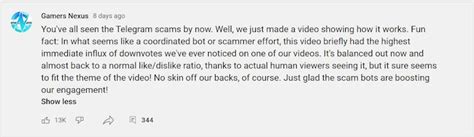
In the expansive and interconnected world of video games, user ratings and reviews serve as a crucial compass for both players seeking their next adventure and developers striving to understand their audience. However, the integrity of this vital feedback mechanism is increasingly undermined by a phenomenon known as review bombing. This coordinated act of deliberately posting overwhelmingly negative reviews, often unrelated to the game’s actual quality, can severely skew overall scores, mislead potential buyers, and inflict undue damage on game developers and their titles.
Review bombing typically arises from various motivations, including political statements, dissatisfaction with developer decisions unrelated to gameplay, disputes with platform policies, or even coordinated attacks from hostile communities. The immediate impact is a distorted public perception, making it difficult for consumers to discern genuine criticism from targeted harassment. For developers, a bombed rating can cripple sales, tarnish reputation, and even jeopardize future projects, regardless of the game’s intrinsic merit.

Understanding the Mechanics and Motivations Behind Mass Negative Reviews
To effectively combat review bombing, it’s essential to dissect its underlying mechanics and motivations. Unlike genuine negative feedback, which is typically diverse in its critique and based on personal experience with the game, review bombs often feature repetitive, highly emotional, or off-topic comments. The perpetrators usually act in a coordinated manner, often through external forums or social media, rallying large numbers of users to descend upon a game’s review page simultaneously.
Motivations can range from player grievances over perceived injustices (e.g., exclusive content deals, microtransactions) to broader cultural or political statements tangential to the game itself. Sometimes, it’s a protest against a developer’s past behavior or a specific creative choice. Identifying these patterns and separating them from legitimate criticism is the first step toward building a more resilient rating system.

Current Platform Responses and Their Limitations
Major gaming platforms like Steam, Metacritic, and PlayStation Store have acknowledged the problem and implemented various measures to mitigate review bombing. Steam, for instance, has introduced systems that detect ‘off-topic review activity’ and remove those ratings from the overall score, though they remain visible on the product page. They also allow for the filtering of reviews by date, language, and playtime, offering users more control over what they see.
Metacritic, on the other hand, often requires a verified purchase or a minimum account age/activity before users can submit reviews. While these measures help, they are not foolproof. Savvy perpetrators can still find workarounds, and the sheer volume of attacks can overwhelm moderation efforts. The core challenge remains how to differentiate between a legitimate groundswell of negative sentiment and a coordinated, malicious attack, without stifling genuine player voice.

Innovative Strategies for Future Integrity: Beyond Simple Filtering
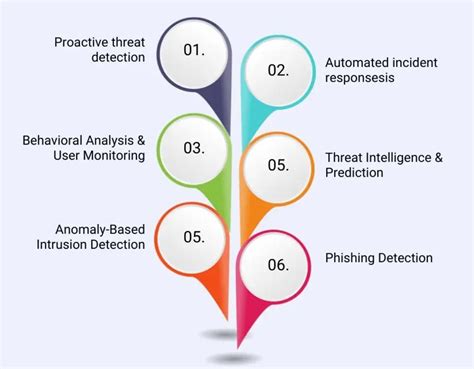
Moving forward, a multi-pronged approach combining technological innovation with community engagement is necessary. One promising avenue is the implementation of more sophisticated AI and machine learning algorithms trained to identify behavioral patterns indicative of review bombing, such as sudden spikes in negative reviews, identical phrases, or reviews from new accounts with minimal activity across the platform. These systems could flag suspicious activity for human moderators, rather than automatically deleting reviews, ensuring a critical human oversight.
Furthermore, platforms could explore weighted review systems. For example, reviews from users with significant playtime, a history of balanced reviews, or a verified purchase could carry more weight than those from new accounts or accounts with very little engagement. Tying review privileges to a minimum play duration or engagement with the game could also be effective, ensuring that feedback comes from those who have actually experienced the product.
The Balance: Protecting Free Speech While Ensuring Fairness
Ultimately, the goal is not to silence dissenting opinions but to ensure that user ratings accurately reflect the community’s genuine sentiment towards a game. This requires a delicate balance: providing avenues for players to voice their criticisms and concerns, even if they are negative, while simultaneously safeguarding against malicious attacks designed to unfairly harm a product. Transparent communication from platforms about their anti-bombing policies and regular updates on how these systems are evolving can also build trust within the gaming community.
Developers, too, have a role to play by engaging openly with their communities, addressing legitimate feedback, and being proactive in explaining difficult decisions. By fostering a culture of mutual respect and clear communication, the industry can collectively work towards a future where user game ratings truly serve their intended purpose: an honest, reliable reflection of player experience and game quality.