What key info helps indie games stand out for Indie Spotlight features?
Beyond the Pixel: Crafting Your Indie Game’s Narrative for the Spotlight
In the vast, vibrant ocean of independent game development, making waves and catching the eye of curators for an “Indie Spotlight” feature can feel like an insurmountable challenge. Thousands of games launch annually, each vying for attention. So, what specific, actionable information can elevate your game from a promising title to a must-feature story? It boils down to more than just a great game; it’s about crafting a compelling narrative around it.

1. The Irresistible Hook: Your Game’s Unique Selling Proposition (USP)
Journalists and editors are constantly searching for stories that intrigue their audience. Your game’s USP is the absolute first piece of information you need to articulate clearly and concisely. What makes your game truly unique? Is it a revolutionary mechanic, an unheard-of genre mashup, a deeply personal story, or stunning, distinctive art style? This isn’t just about listing features; it’s about identifying the core, compelling reason someone would want to play your game above all others.
- Genre Innovation: “It’s a rhythm-based RPG with turn-based combat, set in a dystopian future.”
- Narrative Depth: “A choice-driven psychological horror where every decision permanently alters the protagonist’s memories.”
- Artistic Vision: “Hand-painted pixel art meets dynamic 3D environments, creating a living storybook world.”
2. The Human Element: Your Development Story
People connect with people. The journey behind an indie game is often as fascinating as the game itself. Share your team’s story. What inspired the game? What challenges did you overcome? Is there a personal anecdote tied to its creation? Highlighting the passion, perseverance, and unique perspectives of the developers adds a layer of authenticity and relatability that often resonates deeply with readers.
Think about the “why” behind your game. Did a childhood memory spark an idea? Is it a commentary on a real-world issue? These human stories provide context and emotional weight, transforming a product into a passion project.

3. Showcase, Don’t Just Tell: Visuals and Core Gameplay
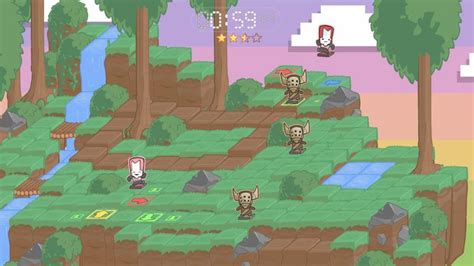
While words are powerful, games are a visual and interactive medium. A standout feature needs compelling assets. Provide clear, high-quality screenshots that capture key moments, stunning art, and diverse gameplay scenarios. A well-edited gameplay trailer (ideally 60-90 seconds) demonstrating the core mechanics, the game’s atmosphere, and its most exciting moments is crucial. These assets aren’t just pretty pictures; they are evidence of your USP in action.
- Action Shots: Show combat, puzzles, or exploration.
- UI/UX Examples: Demonstrate clarity and innovation.
- Atmospheric Stills: Convey the game’s mood and art direction.

4. Understanding Your Audience and Market Position
Who is your game for? Being able to articulate your target audience and where your game fits within the broader market demonstrates a strategic understanding of your project. Is it for fans of a specific genre, or does it appeal to a broader demographic? Mentioning comparable titles (without directly comparing quality) can help journalists quickly grasp the game’s style and potential appeal. This information helps editors understand the game’s relevance and potential reach for their audience.
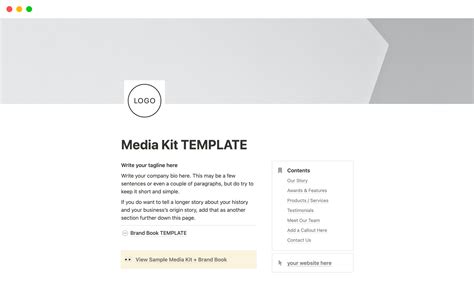
5. The Professional Package: A Stellar Press Kit
All of this crucial information must be readily accessible in a professionally assembled press kit. A good press kit isn’t just a collection of files; it’s a curated experience designed to make a journalist’s job easier. Key components include:
- Fact Sheet: Game title, developer, publisher (if any), platforms, release date (or window), genre, ESRB rating, key features.
- Game Description: Short, medium, and long versions summarizing the game and its USP.
- Team Information: Bios, roles, and a brief history.
- High-Resolution Assets: Screenshots, key art, logos, character renders, and a link to your best gameplay trailer.
- Contact Information: Clear primary contact for media inquiries.
- Links: Store pages, social media, website.
Ensure your press kit is easy to find on your website and regularly updated. A well-organized, comprehensive press kit signals professionalism and respect for the journalist’s time, significantly increasing your chances of getting featured.
Making Your Mark: The Art of Strategic Communication
Ultimately, standing out for an Indie Spotlight feature isn’t about one magic bullet; it’s about presenting a cohesive, compelling story that highlights your game’s uniqueness, the passion behind its creation, and its appeal to a specific audience. By meticulously crafting your USP, sharing your journey, providing captivating visuals, understanding your market, and packaging it all in a professional press kit, you equip journalists with everything they need to tell your game’s story effectively. It’s about making it effortless for them to shine a spotlight on you.