What content makes Indie Spotlights genuinely boost game discoverability?

In the vast, ever-expanding digital storefronts of today, indie games face a formidable challenge: discoverability. With thousands of new titles launching annually, standing out requires more than just a great game; it demands a strategic approach to presentation and promotion. Indie Spotlights, when executed correctly, can be a potent tool in cutting through the noise. But what specific content within these spotlights genuinely captivates audiences and translates into tangible boosts in visibility and player engagement?
The Power of Authentic Storytelling
At the heart of every compelling indie game is a story – not just the narrative within the game, but the journey of its creation. Developers who are willing to share their passion, struggles, inspirations, and the unique challenges faced during development forge an immediate, personal connection with potential players. This raw, honest insight can transform a game from an abstract product into a labor of love, making it inherently more relatable and memorable. Highlighting the developer’s vision, their personal connection to the genre, or even quirky anecdotes from the development process adds a human touch that algorithms simply cannot replicate.
Deep Dive into Gameplay Mechanics and Design Philosophy
While a flashy trailer can grab attention, a truly effective spotlight goes deeper. It elucidates the core gameplay loop, innovative mechanics, and the underlying design philosophy. Instead of just showing combat, explain why it feels satisfying; instead of just showing puzzles, detail the thought process behind their creation. Developers should elaborate on what makes their game unique and how it diverges from competitors. This isn’t about revealing spoilers but about demonstrating the game’s depth and appeal to specific player types who value particular mechanics or challenges.
Behind-the-Scenes Glimpses and Visual Appeal
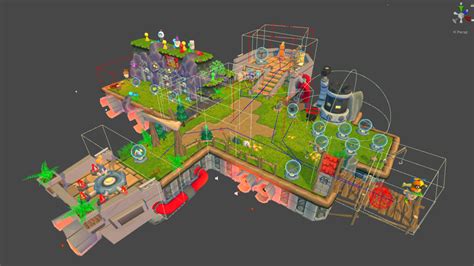
Players are often fascinated by the magic of game development. Showcasing snippets of early concept art, character sketches, animation processes, sound design decisions, or even early prototype footage can be incredibly engaging. These “making-of” elements provide a sense of exclusivity and allow players to appreciate the craftsmanship involved. Alongside this, high-quality, curated screenshots and short, impactful GIFs that highlight key features or aesthetic moments are crucial. Visuals are the first point of contact, and a consistent, appealing visual identity across all spotlight content is paramount.
Engaging the Community and Fostering Interaction
An indie spotlight shouldn’t be a one-way street. Including elements that encourage community interaction – such as Q&A sessions (even text-based ones with common questions addressed), polls about potential features, or direct calls for feedback on a demo – can significantly boost engagement. When players feel heard and involved, they become invested not just in the game, but in its success. Highlighting existing community efforts, fan art, or testimonials from early playtesters also provides valuable social proof and encourages others to join the conversation.
Showcasing the Unique Selling Proposition (USP)
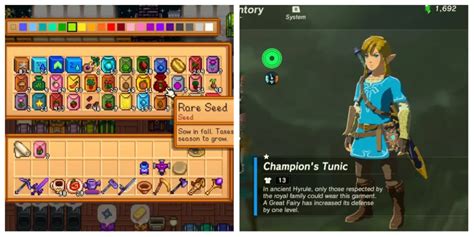
Every indie game needs a hook. An effective spotlight meticulously identifies and articulates the game’s unique selling proposition. Is it a novel genre blend? A groundbreaking art style? A deeply emotional narrative? A revolutionary control scheme? Whatever it is, this core differentiating factor must be front and center. The content should consistently reinforce why this particular game stands out in a crowded market and why it’s a must-play for its target audience. This clarity helps players quickly understand if the game aligns with their interests.
Clear Calls to Action (CTAs)
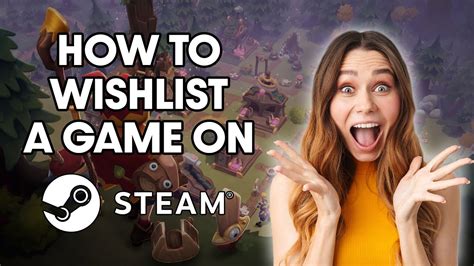
Finally, even the most captivating content needs a clear path for conversion. Every indie spotlight must conclude with explicit calls to action. This includes prompting viewers to wishlist the game on their preferred platform, follow the developer on social media, join a Discord server, or download a demo. Without these clear next steps, even highly interested players might drift away without taking the desired action. CTAs should be easy to find, understand, and act upon.
Conclusion: Beyond the Buzzword
Genuinely boosting game discoverability through Indie Spotlights transcends mere visibility; it’s about creating profound connections. By combining authentic developer narratives, detailed insights into gameplay, engaging behind-the-scenes content, active community fostering, a clear articulation of the game’s USP, and strong calls to action, developers can transform a passive audience into active advocates and players. It’s a holistic approach that recognizes the human element at the core of both game creation and consumption, ultimately making a game not just seen, but truly desired.