How can aspiring esports players effectively manage stress and avoid competitive burnout?
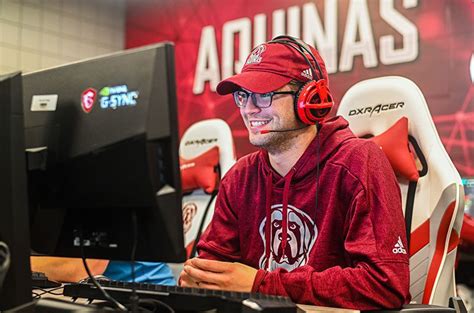
The world of esports is exhilarating, offering incredible highs and intense competition. However, beneath the glamour and thrill lies a demanding environment that can take a significant toll on players, often leading to chronic stress and, ultimately, competitive burnout. For those aspiring to reach the professional ranks, understanding and implementing effective stress management techniques is not just beneficial, but crucial for sustained success and well-being.
Understanding the High-Stakes Environment
Competitive esports demands peak performance, constant improvement, and the ability to operate under immense pressure from teammates, organizations, fans, and oneself. Every match can feel like a make-or-break moment, and the constant pursuit of perfection in a rapidly evolving meta can be mentally exhausting. The line between dedication and obsession blurs easily, leading to excessive practice hours without adequate recovery.
Recognizing the Warning Signs of Stress and Burnout
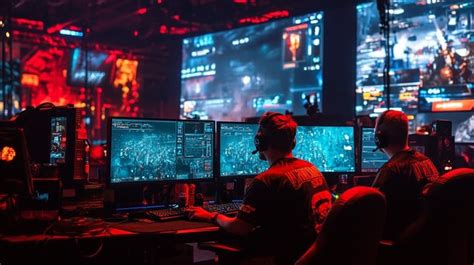
Early detection is key. Stress in esports often manifests as decreased in-game performance, increased irritability, difficulty concentrating, and sleep disturbances. Burnout, a more severe stage, includes feelings of exhaustion, cynicism or detachment from the game, and a reduced sense of accomplishment. Players might lose enjoyment in gaming, feel constantly fatigued, or experience physical symptoms like headaches and muscle tension. Ignoring these signs can lead to a complete withdrawal from the competitive scene.
Proactive Strategies for Stress Management
Effective stress management requires a multi-faceted approach, integrating physical, mental, and social well-being.
Structured Practice and Breaks
Treat gaming like a sport. Develop a structured practice schedule that includes dedicated warm-ups, focused training sessions, and, critically, planned breaks. Avoid endless grind sessions without clear objectives. Regular short breaks (e.g., 10-15 minutes every hour) and longer daily breaks away from the screen are essential for mental reset and preventing fatigue.
Prioritizing Physical Health
A healthy body supports a healthy mind. Ensure adequate sleep (7-9 hours), maintain a balanced diet, and incorporate regular physical exercise into your routine. Even short walks, stretching, or light cardio can significantly reduce stress, improve circulation, and enhance cognitive function. Hydration is also incredibly important for focus and energy levels.

Cultivating Mental Fortitude
Techniques like mindfulness meditation, deep breathing exercises, and positive self-talk can equip players to handle in-game pressure and ’tilt’. Learning to reframe setbacks as learning opportunities rather than failures is crucial. Developing emotional regulation skills allows players to maintain composure during stressful moments and recover quickly from mistakes.
Building a Strong Support System
Connecting with teammates, friends, and family outside of competitive contexts provides an emotional outlet and a sense of belonging. Sharing experiences with others who understand the pressures of esports can validate feelings and offer new perspectives. Don’t isolate yourself; human connection is a powerful buffer against stress.
Building Resilience and Preventing Long-Term Burnout
Beyond immediate stress management, long-term strategies are vital for a sustainable career in esports.
Setting Realistic Goals and Expectations
While ambition is necessary, unrealistic goals can be a source of immense stress. Break down large goals into smaller, achievable steps. Understand that progress isn’t always linear, and setbacks are a natural part of any competitive journey. Focus on personal growth and consistent effort rather than solely on immediate results.
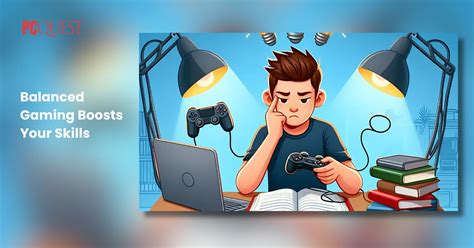
Maintaining a Life Outside Gaming
Engage in hobbies and activities completely unrelated to esports. This provides a mental escape, broadens your perspective, and reinforces your identity beyond being just a player. Whether it’s reading, playing an instrument, hiking, or spending time with pets, these outlets offer genuine rest and rejuvenation.
Seeking Professional Help
If stress or burnout becomes overwhelming, do not hesitate to seek help from sports psychologists, mental performance coaches, or therapists. These professionals can provide tailored strategies, coping mechanisms, and a confidential space to process challenges. Many top-tier esports organizations now offer such support, recognizing its importance for player longevity.
Regular Self-Reflection and Adaptation
Periodically assess your well-being, motivations, and overall satisfaction with your competitive journey. Be honest with yourself about whether your current routine is sustainable. Be willing to adjust your schedule, goals, or approach based on what your body and mind need to thrive.
Cultivating a Sustainable Competitive Mindset
For aspiring esports players, managing stress and avoiding burnout isn’t a weakness; it’s a strategic advantage. By prioritizing holistic well-being alongside skill development, players can build greater resilience, sustain peak performance over longer periods, and ultimately achieve a more fulfilling and successful career in the competitive esports landscape. A balanced approach ensures that the passion for the game remains vibrant, even amidst its toughest challenges.