Beyond a review, what Indie Spotlight content drives indie game discoverability?

In the crowded landscape of independent games, simply releasing a title is rarely enough for it to find its audience. While traditional reviews play a vital role in validating a game’s quality, they often fall short of truly connecting players with the unique spirit and challenges behind indie creations. To cut through the noise, a diverse array of Indie Spotlight content is essential, offering deeper insights and fostering genuine connections that drive discoverability.
Developer Diaries and Behind-the-Scenes Features
One of the most potent forms of content is that which humanizes the creation process. Developer diaries, ‘making of’ videos, and written behind-the-scenes features offer a glimpse into the passion, struggles, and triumphs of indie game development. This type of content allows players to understand the game’s genesis, the design philosophy, and the unique challenges faced by small teams. It builds empathy and investment, transforming a game from a product into a labor of love.

When players feel connected to the creators and their journey, they are more likely to champion the game, share its story, and even overlook minor imperfections. These narratives create a powerful emotional hook that a simple gameplay review cannot replicate, driving organic interest and word-of-mouth.
In-Depth Interviews and Q&As
Direct interaction, even if asynchronous, can be incredibly impactful. Interviews with key developers, designers, or even composers provide a voice and personality behind the game. These Q&As can delve into specific design choices, artistic inspirations, technical hurdles, or the overall vision that guided the project. They offer clarity and context, helping potential players understand why a game is unique and what sets it apart.
Platforms like YouTube, Twitch, and written articles are excellent for hosting these sessions. Engaging questions that go beyond surface-level mechanics can unlock compelling stories and insights, making the game more relatable and intriguing. These conversations foster a sense of transparency and authenticity that resonates deeply with audiences looking for genuine experiences.
Gameplay Showcases and ‘Why You Should Play’ Features
While reviews analyze a game, dedicated gameplay showcases demonstrate its core appeal without the critical lens. This could be a ‘Let’s Play’ series highlighting specific mechanics, a guided tour of early levels, or a deep dive into an innovative system. The goal is to show, not just tell, what makes the game special.
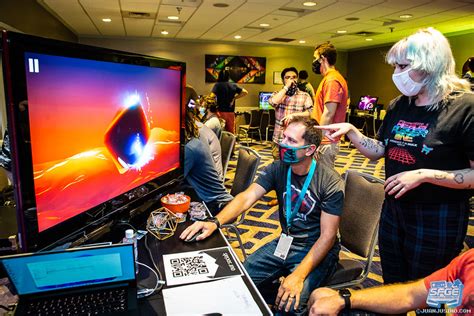
Furthermore, ‘Why You Should Play’ articles or videos focus on the unique selling points and emotional impact of a game, rather than a score. They address a specific audience, highlighting how the game might appeal to fans of certain genres, art styles, or narrative themes. This targeted approach helps niche indie titles find their dedicated communities, often bypassing the broader review circuit.
Community Spotlights and Fan Creations
A thriving community is a strong indicator of a game’s long-term potential. Indie Spotlight content can extend to highlighting the community itself. Showcasing fan art, fan fiction, modding efforts, speedruns, or even community-organized events validates players’ investment and encourages others to join. This content proves that the game has transcended mere entertainment to become a cultural touchstone for its fans.
By celebrating the community, developers not only strengthen existing bonds but also attract new players who are drawn to vibrant and passionate fandoms. This indirect form of discoverability leverages social proof and the power of shared enthusiasm, making a game more appealing than its features alone might suggest.
Early Access Journeys and Roadmap Previews
For games launched in Early Access, content focused on the development journey post-release is crucial. Regular updates on roadmaps, upcoming features, and developer responses to community feedback demonstrate ongoing commitment and transparency. This assures potential buyers that their investment will lead to a continually evolving and improving experience.

Highlighting patch notes, explaining design decisions behind new content, and even showcasing community-inspired changes can turn an Early Access game into a living, breathing project that people want to follow and support. This content turns development into a collaborative narrative, inviting players to be part of the game’s growth.
Conclusion: A Holistic Approach to Discovery
Ultimately, driving indie game discoverability in today’s crowded market requires a holistic content strategy that moves beyond the traditional review. By embracing developer diaries, in-depth interviews, engaging gameplay showcases, community spotlights, and transparent development roadmaps, indie creators and their champions can build deeper connections with potential players. This diverse content portfolio not only educates and entertains but also fosters a sense of personal investment, transforming casual interest into dedicated fandom and ensuring that truly unique indie gems find the audiences they deserve.