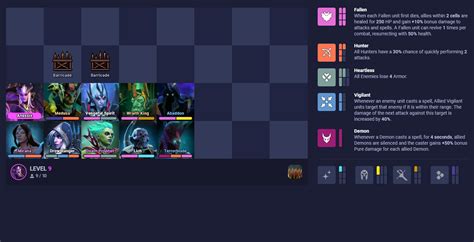
How to adapt your favorite build to new meta shifts without losing viability?

In the dynamic world of competitive gaming, the meta—the “most effective tactic available”—is in a constant state of flux. Patches, new content, and community discoveries can shift the landscape dramatically, often leaving players wondering if their cherished, finely-tuned builds are suddenly obsolete. The good news is that with a strategic approach, you can often adapt your favorite build to new meta challenges, preserving its core identity while ensuring its continued viability.
Understanding the Meta Shift
The first step in adaptation is accurately identifying the nature of the meta shift. Is it an indirect nerf to your build due to buffs on counter-picks? Is it a direct change to an item or ability you rely on? Or is it a fundamental change in game pace, like a shift from early-game aggression to late-game scaling? Observing top players, analyzing patch notes, and understanding community consensus are crucial for this initial assessment. Don’t just react to what feels weaker; understand why it feels weaker.

Identifying Your Build’s Core and Vulnerabilities
Every successful build has a core identity—what makes it powerful and enjoyable for you. This could be a specific synergy, a unique power spike, or a particular playstyle. Before making changes, clearly define this core. Then, assess how the new meta directly impacts it. Does it invalidate your primary win condition? Does it expose a previously minor weakness, making it a critical vulnerability? Understanding these points will guide your adaptation efforts, ensuring you strengthen weaknesses without dismantling your build’s essence.
For example, if your build thrives on burst damage but the meta has shifted to favor highly defensive, sustain-heavy compositions, your core burst might still be valuable, but you’ll need to find ways to penetrate the new layers of defense.
Tactical Adjustments: Items, Skills, and Playstyle
Once you understand the shift and your build’s core, it’s time for tactical adjustments. This doesn’t necessarily mean a complete overhaul. Often, subtle changes can make a significant difference:
- Itemization/Gear Changes: Look for alternative items that offer similar stats but provide additional utility (e.g., grievous wounds against healers, armor penetration against tanks, movement speed for kiting). Sometimes, a single item swap can patch a glaring weakness.
- Skill/Ability Prioritization: Re-evaluate your skill progression. Does an often-overlooked utility spell now have more value than a damage ability? Can a defensive ability be used more proactively?
- Playstyle Adaptation: This is often the most critical. You might need to adjust your aggression patterns, positioning, or decision-making. If the meta favors early aggression, can your build secure objectives faster? If it’s more passive, can you scale safely?
Iterative Testing and Refinement
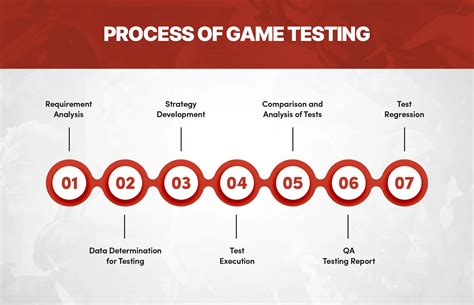
Adaptation is an iterative process. Don’t expect to get it right on the first try. Take your modified build into practice games or lower-stakes matches. Pay close attention to what works and what doesn’t. Make small, incremental changes, testing one variable at a time where possible. Analyze replays, track your performance, and compare it against similar builds or your own past performance. Feedback from teammates or observing other players adapting similar strategies can also be invaluable.
Knowing When to Sideline or Reinvent
While adaptation is powerful, there comes a point where a build’s core identity might be too fundamentally at odds with the current meta to remain truly viable without losing its essence. In such cases, it’s okay to sideline your favorite build for a while and explore new options or consider a complete reinvention rather than a mere adaptation. Sometimes, the meta comes full circle, and your build might find its place again. Having a diverse repertoire of builds is also a sign of a truly adaptable player.
Adapting your favorite build is a skill that distinguishes truly proficient players from those who get left behind. By understanding the meta, identifying your build’s core strengths and new vulnerabilities, making thoughtful tactical adjustments, and committing to iterative testing, you can keep your cherished playstyle relevant and powerful through countless meta shifts. It’s not about abandoning what you love, but evolving it.