
How to troubleshoot slow builds quickly?
Addressing slow build times is crucial for developer productivity and efficient CI/CD pipelines; this article provides a structured approach to quickly identify and resolve build bottlenecks.
News, Guides, and Everything Gaming.






Addressing slow build times is crucial for developer productivity and efficient CI/CD pipelines; this article provides a structured approach to quickly identify and resolve build bottlenecks.

When your PC unexpectedly crashes under heavy load, identifying whether the power supply unit (PSU) or graphics processing unit (GPU) is at fault requires systematic troubleshooting, including symptom analysis, temperature monitoring, and stress testing.
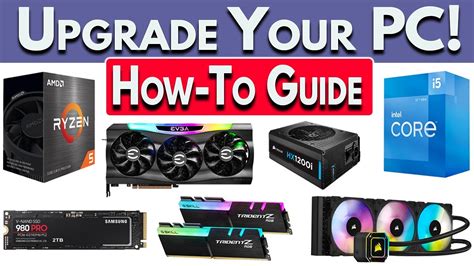
When your PC feels sluggish, deciding between a RAM upgrade or an SSD replacement can be tricky, but understanding their roles can guide your best first step.
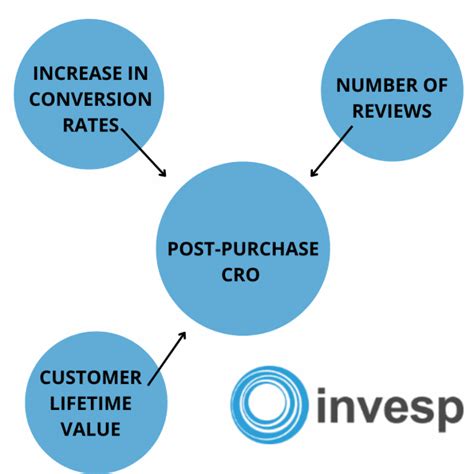
Discover the optimal post-purchase timing for sending review requests to maximize customer engagement and boost your overall review collection rates.

Discover the optimal VOD review methodologies for esports teams, transforming raw gameplay footage into actionable insights for continuous improvement, strategic refinement, and sustained competitive advantage.
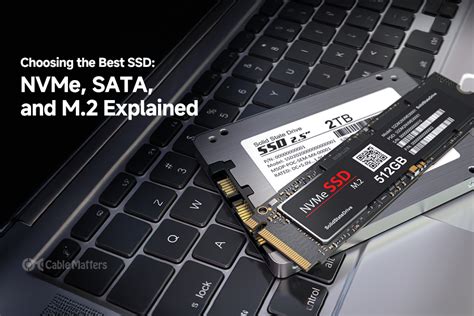
Upgrading an old laptop with an SSD is the most impactful performance boost, but choosing between a SATA and NVMe drive depends heavily on your laptop’s compatibility and your real-world needs.

Discover which asset types, from polished games to unique tools and high-quality art packs, are most likely to capture attention and secure a coveted spot in an Indie Spotlight feature.

Understanding and resolving mod load order conflicts is crucial for stable gameplay, preventing frequent crashes to desktop (CTD) and ensuring a smooth modded experience.

Mastering the early game with specific build paths is crucial for ensuring powerful late-game scaling and dominance in competitive gaming.
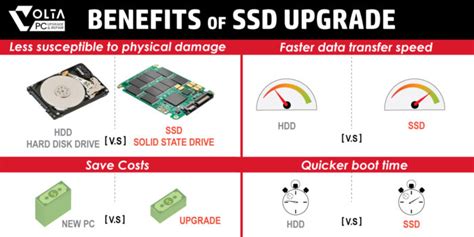
Discover whether upgrading your computer’s RAM or switching to an SSD provides a more significant boost to overall PC speed and responsiveness, depending on your system’s current configuration and usage patterns.