How can gaming review sites quickly deliver insightful, spoiler-free launch reviews?

In the fast-paced world of video game releases, players eagerly await expert opinions to guide their purchasing decisions. Gaming review sites are under immense pressure to deliver these insights as quickly as possible, yet the expectation for a thorough, unbiased, and crucially, spoiler-free analysis presents a complex challenge. How can these platforms strike the delicate balance between speed, depth, and respecting the player’s journey?
The Pre-Launch Juggling Act: Speed vs. Quality
The moment a major game drops, the internet is flooded with reactions. Review sites aim to be among the first to offer a definitive take, but this often means navigating tight embargoes and limited playtime. Rushing a review can lead to superficial analysis, missed bugs, or even accidental spoilers – all of which erode trust. Conversely, waiting too long can make a review feel irrelevant. The core of this challenge lies in optimizing the pre-launch phase.
Leveraging Early Access and Embargoes Strategically
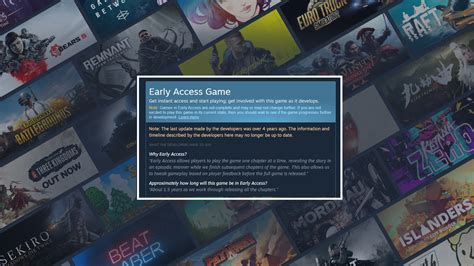
The most crucial tool for a review site is early access to a game, usually provided by publishers under strict embargoes. This grants reviewers time to play the game before its official release. However, this access isn’t a silver bullet. Sites must:
- Maximize Playtime: Dedicate specific reviewers or teams to specific games, ensuring they can commit significant hours.
- Understand the Embargo: Clearly interpret what can and cannot be discussed before a certain date and time, especially regarding plot points.
- Focus on Core Gameplay: Prioritize evaluating mechanics, performance, user experience, and overall feel rather than rushing to “finish” the game.
Crafting Insightful, Spoiler-Free Narratives
Beyond access, the art of writing the review itself is paramount. Reviewers must provide enough detail to inform without giving away key plot twists, character revelations, or significant late-game surprises.
Structured Review Templates and Guidelines
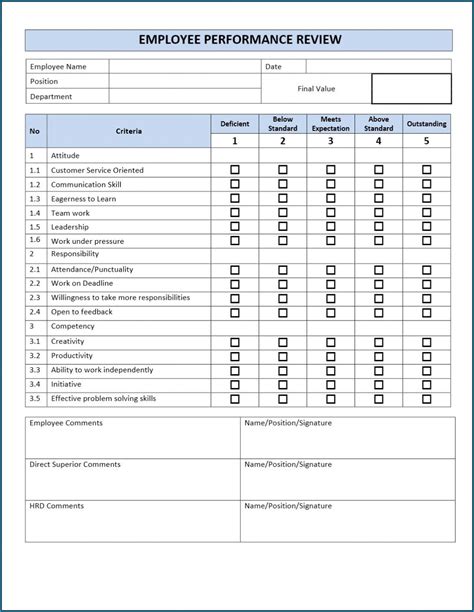
Implementing internal templates and clear editorial guidelines can significantly streamline the review process and ensure consistency. These might include:
- Mandatory Sections: Ensuring discussions on graphics, sound, gameplay mechanics, performance, value proposition, and multiplayer (if applicable).
- Spoiler-Free Language Prompts: Encouraging reviewers to describe emotional impact or gameplay progression without divulging specific events.
- Technical Benchmarking: Pre-defined tests for frame rates, load times, and bug occurrences to ensure objective performance analysis.
Prioritizing the Player Experience
A launch review’s primary goal is to help potential players decide if a game is for them. This means focusing on the aspects that immediately impact enjoyment:
- First Impressions: How engaging is the opening?
- Core Loop: Is the moment-to-moment gameplay satisfying?
- Accessibility: Are there options for different players?
- Technical Stability: Are there prevalent bugs or performance issues that hinder play?
By focusing on these elements, reviewers can provide immense value without needing to detail every story beat.
Advanced Spoiler Management Techniques
Even with careful writing, spoilers can slip through. Proactive measures are essential.
Multi-Layered Editorial Review
Every review should pass through multiple sets of eyes: the reviewer, an editor, and potentially a dedicated “spoiler checker.” This final check specifically looks for unintended disclosures.

“Spoiler Block” Policies
For games where the story is a central pillar, some sites might employ “spoiler block” policies where they briefly mention the *existence* of a compelling narrative but explicitly state they will not discuss details, perhaps offering a separate, clearly marked “spoiler review” weeks later.
Furthermore, avoiding promotional materials that might inadvertently reveal plot points and focusing instead on provided developer assets or captured gameplay helps maintain a pristine review environment.
Building Trust Through Transparency
Ultimately, a review site’s most valuable asset is its credibility. Transparency plays a vital role.
Disclosing Review Conditions
Inform readers if a game was reviewed on a specific platform, under specific patches (e.g., day-one patch applied), or if it was based on a pre-release build. This contextualizes the review.
Some sites even include a “reviewed by” section detailing the reviewer’s experience with similar games, adding another layer of authenticity.

Post-Launch Updates and Re-evaluations
Games often change significantly post-launch with patches, new content, or community feedback. Reputable sites should be prepared to update their reviews or issue supplementary content if the game experience evolves drastically, demonstrating a commitment to accuracy over time.
Conclusion: The Art of Anticipatory, Ethical Reviewing
Delivering insightful, spoiler-free launch reviews at speed is a sophisticated operation. It demands a blend of strategic early access management, disciplined editorial processes, a laser focus on player experience, and an unwavering commitment to transparency. By mastering these elements, gaming review sites can continue to be invaluable resources, helping players make informed decisions while preserving the magic of discovery in every new game world.