Pro tips: How to quickly adapt to new game meta shifts in esports?

Embrace the Dynamic Nature of Esports
Esports is a relentlessly dynamic landscape, where the tides of competitive advantage shift with bewildering speed. Game meta shifts, whether driven by balance patches, new content releases, or ingenious player innovation, constantly redefine optimal strategies and playstyles. For professional players and aspiring competitors alike, rapid adaptation isn’t merely a desirable skill; it’s an absolute necessity for sustained success and staying ahead of the curve.

Deconstruct the Patch Notes, Don’t Just Skim Them
When a new patch drops, the first step isn’t to jump into ranked; it’s to meticulously read and dissect the patch notes. Pro players and teams often dedicate hours to this crucial task. Look beyond the surface-level buffs and nerfs. Identify the underlying design philosophy changes and consider which roles, archetypes, or items might be indirectly affected. Sometimes, a small tweak to a counter-item can inadvertently elevate an entire class of heroes or strategies.
Additionally, don’t solely rely on official notes. Follow expert analysts, community discussions, and pro player streams for early insights and theories. These often highlight subtle interactions or emerging strategies that aren’t immediately obvious from the patch notes alone, providing a head start on understanding the new landscape.
Rapid Theorycrafting and Hypothesis Formation
Once you understand what has changed, the next step is to theorize how it will impact gameplay. This is where creative thinking and deep game knowledge come into play. Formulate hypotheses: “If X is buffed, then Y will become stronger because Z.” Or, “The nerf to A will open up opportunities for B, which was previously counter-picked.”
Consider various scenarios. How does the meta shift affect early game, mid game, and late game? What new power spikes or timings emerge? Brainstorm potential new build paths, hero compositions, or map rotations. This mental simulation and strategic planning are crucial before stepping into live matches.
Controlled Experimentation and Scrims
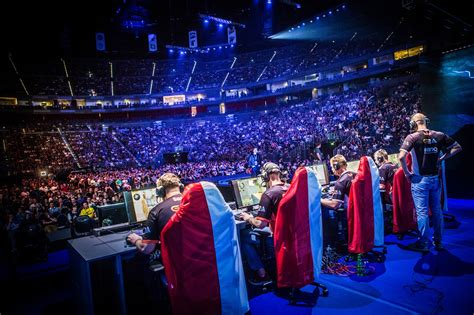
Theory is only useful when thoroughly tested. The key is controlled experimentation. Avoid trying completely unproven strategies in high-stakes ranked games immediately. Instead, utilize custom games, unranked queues, or, for organized teams, dedicated scrim blocks against other competitive squads.
In these test environments, focus on isolating variables. Try one new strategy or hero at a time. Pay close attention to its strengths, weaknesses, and how it interacts with the current “assumed” meta. Record your observations – what worked, what failed, and why. This systematic approach yields far more actionable data than haphazard play.
Data-Driven Iteration and Refinement
After experimentation, a rigorous analysis of the results is paramount. Pro players are often excellent at self-reflection and objective data review. Use replay analysis tools, statistical tracking, and thorough team discussions to evaluate your hypotheses. Did your new strategy perform as expected? Were there unexpected counter-strategies or glaring weaknesses?
Adaptation is an iterative process. Rarely does a new strategy work perfectly on the first try. Be prepared to refine your approach, adjust item builds, modify timings, or even scrap an idea entirely if it proves unviable. The faster you can cycle through this “test-analyze-refine” loop, the quicker you’ll master the new meta.

Maintain a Growth Mindset and Openness
Perhaps the most challenging aspect of meta adaptation is psychological. It requires letting go of established habits and strategies that previously worked and being open to new ideas. Stubbornness or an unwillingness to change is a death sentence in esports.
Cultivate a growth mindset. View every meta shift as a new puzzle to solve, an opportunity to learn and grow. Be open to unconventional ideas, even if they initially seem strange. Encourage team members to share their insights without fear of judgment. The most adaptable teams are often those with the healthiest internal communication and a shared commitment to continuous improvement.

Practice Conscious Execution
Identifying and understanding a new meta is one thing; executing it flawlessly under pressure is another. Dedicate specific practice time to consciously implement the new strategies. This isn’t just about theory anymore, but about developing muscle memory, precise timing, and consistent execution. If a new combo is key, drill it repeatedly. If a new rotation is optimal, practice it until it becomes second nature and can be performed reliably without conscious thought.
Focus on consistency. A strategy’s true power emerges when executed reliably under pressure. Consistent practice translates theoretical knowledge into tangible in-game performance, bridging the gap between understanding and mastery.

Conclusion
Navigating meta shifts is a constant challenge in esports, but it’s also where true champions distinguish themselves from the rest. By diligently deconstructing patch notes, engaging in rapid theorycrafting, conducting controlled experiments, analyzing data, and maintaining a growth mindset, players and teams can not only adapt but thrive in the ever-evolving competitive landscape. Embrace change, and you’ll always stay a step ahead, ready to conquer the next iteration of the game.