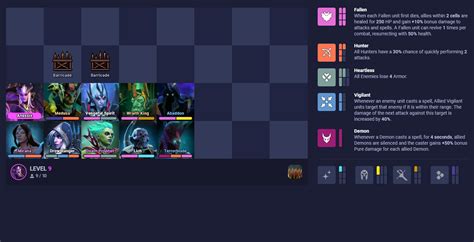
How to adapt your build to changing meta without constant respecs?
The Dynamic World of Game Metas
In the fast-paced, ever-evolving landscapes of online games, the meta—the Most Effective Tactic Available—is a constantly shifting force. What was dominant last patch might be obsolete today, leaving players scrambling to keep up. For many, the immediate reaction is a full character respec, completely reallocating skill points, talents, or gear to align with the new optimal strategy. However, constant respecs can be incredibly resource-intensive, costing in-game currency, premium items, or simply precious time. This article explores intelligent build design strategies that allow you to adapt to meta shifts with minimal or no complete rebuilds, ensuring your character remains competitive and fun to play.
Building for Flexibility: Core Strategies
The key to meta resilience lies in designing your build with inherent flexibility. Instead of chasing the absolute peak performance of a hyper-specialized, glass-cannon build that’s easily countered or invalidated by a single patch, aim for a robust foundation that can be tweaked.
Focus on Core Synergies and Scalability
Rather than investing heavily in niche abilities or items that are only powerful under very specific meta conditions, prioritize core stats, skills, or passive synergies that are generally strong and scale well regardless of minor game changes. Think about universal damage multipliers, strong defensive mechanics, or utility skills that are always valuable. A build that scales on fundamental attributes like Strength, Intelligence, or Agility, or core mechanics like critical strike chance or cooldown reduction, will generally withstand meta shifts better than one reliant on a very specific, easily nerfed item proc or ability interaction.

Embrace Modular Gear and Abilities
Design your build with interchangeable components. This might involve a skill tree where only a few crucial points need to be swapped, or a gear set where 2-3 pieces can be exchanged to shift focus without needing an entire inventory overhaul. For example, maintaining a core set of powerful legendaries or set items, and then having a few ‘flex’ slots for trinkets, rings, or off-hand items that can be swapped to counter specific threats or exploit new meta strengths. Similarly, some games allow for minor talent adjustments without full respecs; identify these points of leverage in your chosen game.

Hybridization and Versatility
Avoid putting all your eggs in one basket. A purely single-target damage dealer might struggle if the meta shifts to require more area-of-effect, or a character focused solely on burst might falter against sustained damage. Incorporate elements of different archetypes into your build where possible. A hybrid build, capable of both respectable single-target and area damage, or offering both offensive and defensive utility, can pivot more easily. This doesn’t mean being mediocre at everything; it means having a baseline competence in multiple areas, allowing you to emphasize one over the other with minor adjustments.

Leverage Secondary Stats and Underutilized Skills
Sometimes, a meta shift isn’t about completely new abilities becoming dominant, but rather the value of existing, less-prioritized stats or skills changing. Keep an eye on secondary stats that might suddenly gain value due to a new item, a rebalance, or a shift in common enemy types. Investing slightly into stats like crowd control resistance, movement speed, or specific elemental resistances might seem minor, but if the meta shifts to prioritize these, your slightly adapted build will shine without needing a full rebuild. Similarly, identifying ‘sleeper’ skills that are generally good but not ‘meta’ can give you an edge when their underlying mechanics are buffed or become more relevant.
Proactive Monitoring and Predictive Adjustments
Stay informed about upcoming patches, developer notes, and community discussions. Often, you can spot trends or impending changes that will affect the meta before they hit live servers. Making small, proactive adjustments based on this information – perhaps experimenting with a slightly different gear piece or skill point allocation – can save you from a reactive, full respec later. Being a ‘meta detective’ helps you anticipate rather than just respond.

When Respecs Are Unavoidable (and How to Mitigate Them)
It’s important to acknowledge that sometimes a complete respec is genuinely necessary. Major class reworks, fundamental system overhauls, or massive balance passes can render even the most flexible build completely obsolete. In these cases, the strategies above won’t prevent the respec, but they can still help you minimize its impact. By understanding core game mechanics and flexible build design, you’ll be better equipped to quickly identify the new optimal path and rebuild efficiently.
Furthermore, some games offer ‘free respec’ events or temporary respec tokens during significant patches. Always take advantage of these opportunities if your build needs a major overhaul, saving your hard-earned in-game resources.
Conclusion: Mastering Adaptation
Adapting to a changing meta without constant, costly respecs is a skill that comes with experience and thoughtful build planning. By focusing on core synergies, building in modularity, embracing versatility, leveraging secondary stats, and staying proactive, you can create a character that isn’t just strong in the current meta, but strong despite it. This approach not only saves you resources but also enhances your understanding of game mechanics, making you a more skilled and adaptable player in the long run.