For gaming guides, how to structure spoiler warnings effectively for quick puzzle solutions?

Gaming guides serve a unique purpose: to assist players without diminishing their sense of accomplishment. This delicate balance becomes particularly challenging when offering solutions to complex puzzles. Players often seek help as a last resort, wanting a quick fix to a roadblock but not wishing for the entire game to be spoiled. Structuring spoiler warnings effectively for quick puzzle solutions is an art form that enhances the user experience and maintains the integrity of the game’s discovery.
The core challenge lies in providing immediate access to the required information while allowing players to control the level of detail they wish to uncover. A poorly implemented spoiler warning can either be too intrusive, slowing down the process for desperate players, or too subtle, inadvertently revealing critical plot points. Mastering this balance ensures guides are helpful, not harmful, to the player’s journey.
Understanding Player Intent: When Do They Need a Solution?
Before implementing any warning, consider the player’s mindset. Are they mildly stuck and looking for a nudge, or are they completely stumped and ready for the direct answer? Some players might want to try hints first, while others just need the exact sequence of steps to progress. Tailoring your guide to these different needs is paramount.
Players typically consult guides for puzzles when they’ve exhausted their own attempts, feel frustrated, or are short on time. They are often looking for the minimal viable information to overcome the obstacle, not a comprehensive breakdown of every possible narrative twist. This “need-to-know” philosophy should inform your approach to spoiler warnings and solution presentation.

Effective Spoiler Warning Mechanisms
Several tried-and-true methods can be employed to hide solutions effectively while making them easily accessible. The key is to make the “reveal” a conscious action by the player.
1. Progressive Disclosure (Click-to-Reveal)
This is arguably the most common and effective method. Solutions are hidden behind a clickable element (e.g., a button, a dropdown menu, or collapsible text). The player actively chooses to reveal the spoiler, ensuring they are ready for the information. This method offers excellent control and minimizes accidental spoilers.
For quick solutions, consider using very specific labels like “Click for Solution,” “Show Steps,” or “Reveal Answer.” This clarity helps players find what they need without ambiguity. Ensure the revealed text is concise and directly addresses the puzzle.
2. Visual Cues and Obfuscation
Less interactive but still effective, this involves visually obscuring the spoiler text. Common techniques include:
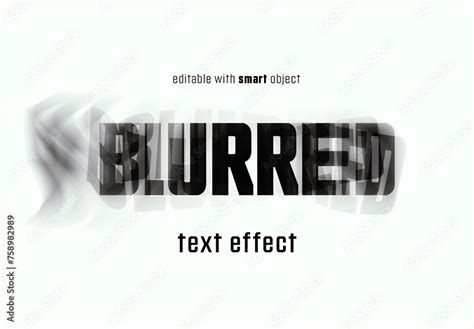
- Blurred text: Text is blurred until hovered over or clicked.
- Black bars: Text is covered by a solid black bar that disappears on hover/click.
- Hidden text color: Text color matches the background until highlighted.
These methods are good for smaller, inline spoilers, providing a quick way to hide answers without needing complex interactive elements. However, they might not be ideal for multi-step solutions.
3. Clear Section Headers
Before even using interactive elements, establish clear headings. Use titles like “Puzzle Solution: [Puzzle Name]” or “How to Solve [Specific Puzzle]” followed by a prominent spoiler warning (e.g., “SPOILER AHEAD!”). This prepares the reader before they scroll further down the page, allowing them to skip if they prefer to avoid the solution.
4. Dedicated Spoiler Pages/Sections
For very critical or lengthy puzzle solutions that might contain significant plot spoilers, consider linking to a completely separate page or a distinct section of a longer guide. The link itself would be clearly labeled as a spoiler, giving players full control over whether to navigate to it. This is particularly useful for major story-altering puzzles.
Optimizing for Quick Solutions and User Experience
Beyond simply hiding the information, how you present the solution once revealed is critical for player satisfaction. Players seeking quick solutions don’t want to wade through paragraphs of exposition.
The “Hint, Then Solution” Approach
A highly user-friendly strategy is to offer hints *before* the direct solution.
- Level 1 Hint: A subtle nudge or a clue (e.g., “Look for patterns in the environment.”).
- Level 2 Hint: A more direct clue, narrowing down possibilities (e.g., “The sequence is related to the statues in the courtyard.”).
- Level 3 Solution: The full, step-by-step answer.
Each level can be revealed progressively, allowing players to take only as much help as they need. This respects their desire for discovery while still providing the ultimate answer when required.
Formatting for Readability
Once a solution is revealed, its presentation should be immediately digestible:
- Use bullet points or numbered lists: Break down complex steps into simple, actionable items.
- Bold key terms: Highlight important objects, actions, or directions.
- Concise language: Get straight to the point; avoid unnecessary prose.
- Visual aids: If possible (and not violating image rules), briefly describe what an image would show, reinforcing the textual solution.
This ensures that even when a player reveals a solution, they can quickly grasp and implement it, minimizing frustration and allowing them to get back to playing the game as fast as possible.

Conclusion: Empowering Players with Thoughtful Guides
Effectively structuring spoiler warnings for quick puzzle solutions in gaming guides is about empathy for the player. By understanding their needs and employing thoughtful mechanisms like progressive disclosure, clear visual cues, and a “hint-then-solution” approach, guide creators can empower players. The goal is not just to provide answers, but to do so in a way that respects their journey, allows them to maintain a sense of achievement, and ultimately enhances their overall gaming experience. A well-designed guide is a companion, not a cheat sheet, that stands ready to assist precisely when needed.