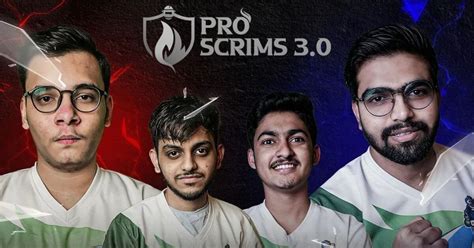
How do aspiring pro players improve game sense & team synergy effectively?

In the high-stakes world of esports, raw mechanical skill is only one piece of the puzzle. To truly ascend to professional ranks, aspiring players must master two critical, intertwined elements: game sense and team synergy. Game sense encompasses a player’s intuitive understanding of the game’s flow, decision-making, and predictive capabilities, while team synergy refers to the seamless coordination and collective performance of a squad. Effectively improving these areas is what separates casual players from competitive powerhouses.
Developing Acute Game Sense
Game sense is often described as a player’s ‘sixth sense’ within a game. It’s the ability to make optimal decisions under pressure, understand win conditions, predict enemy movements, and capitalize on opportunities. To cultivate this:
- Deep Game Knowledge: Go beyond surface-level mechanics. Understand every character’s abilities, item interactions, map layouts, timings for objectives, and common strategies. This foundational knowledge informs better decision-making.
- VOD Review and Self-Analysis: Regularly record and meticulously review your own gameplay and that of professional players. Identify mistakes, missed opportunities, and areas where you could have made a better decision. Ask “why” for every action taken or not taken.
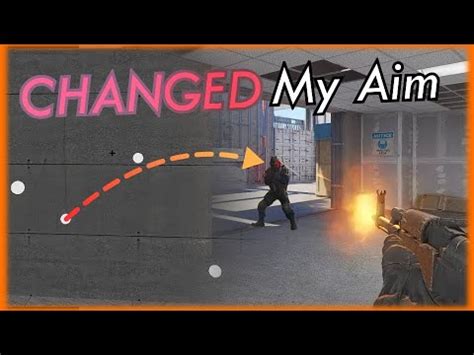
- Situational Awareness Drills: Practice actively tracking enemy positions, cooldowns, and resources. Train your eyes to constantly scan the mini-map and evaluate threats and opportunities across the entire map, not just your immediate vicinity.
Fostering Unbreakable Team Synergy
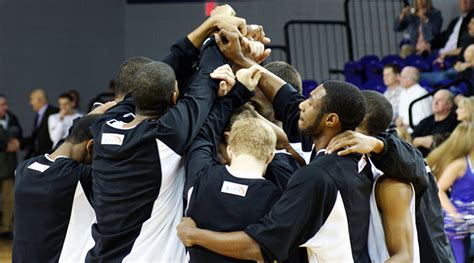
Even the most skilled individual players will struggle without strong team synergy. A cohesive unit operates as a single, intelligent entity. Building this involves:
- Clear and Concise Communication: Effective callouts are paramount. Learn to communicate critical information quickly and unambiguously – enemy positions, ability usage, objective timings, and intended plays. Avoid cluttering comms with unnecessary chatter.
- Defined Roles and Adaptability: Every player should understand their primary role and responsibilities within the team composition. However, true synergy also requires adaptability, where players can flex into secondary roles or support teammates when the situation demands it.
- Building Trust and Understanding: Spend time together as a team, both in-game and out. Understanding teammates’ personalities, playstyles, and tendencies builds trust, which is crucial for split-second decisions and executing risky strategies.
- Practice Coordinated Strategies: Run specific drills focusing on objective control, team fights, rotations, and defending pushes. Practice executing these strategies until they become second nature, allowing for fluid, instinctive play.
Structured Practice and Analytical Review
Improvement isn’t accidental; it’s a product of deliberate practice and rigorous analysis. Aspiring pros should integrate these practices:
- Dedicated Scrims: Regular scrimmages against other competitive teams are invaluable. Unlike ranked games, scrims allow teams to practice specific strategies, try new compositions, and receive immediate feedback in a controlled environment.
- Post-Scrim/Match Debriefs: After every significant practice session or match, conduct a thorough team debrief. Discuss what went well, what went wrong, and actionable steps for improvement. Focus on objective analysis, not blame.
- Utilize Coaching and Mentorship: A good coach can provide an objective external perspective, identify hidden weaknesses, and guide the team through structured improvement plans. Mentors who have walked the path before can offer invaluable advice and insights.

Mindset and Consistency
Beyond the technical aspects, a professional mindset is vital. This includes:
- Resilience: Learn from losses and setbacks without letting them derail your motivation. Every defeat is a learning opportunity.
- Discipline: Stick to your practice schedule, VOD review, and fitness routines. Consistency is key to long-term growth.
- Open-mindedness: Be willing to try new strategies, adapt to meta changes, and accept constructive criticism.

Mastering game sense and team synergy is an ongoing journey that demands dedication, analytical thinking, and effective collaboration. By committing to deep game knowledge, rigorous self- and team-analysis, clear communication, and structured practice, aspiring esports professionals can significantly elevate their play and move closer to achieving their competitive dreams. It’s not just about playing more; it is about playing smarter and together.