How to optimize gaming guides for quick, specific answers without overwhelming detail?
Gaming guides are invaluable resources for players, offering solutions to puzzles, strategies for boss fights, or optimal build paths. However, their effectiveness hinges on how quickly and easily a player can find the specific information they need. Overly detailed or poorly structured guides can quickly overwhelm, turning a helpful resource into a frustrating wall of text. The challenge lies in distilling complex information into digestible, actionable segments without sacrificing accuracy.
Embrace Scannability with Clear Headings and Formatting
The first step to optimizing any guide is to make it easy to scan. Players often arrive with a specific question in mind, not to read a novel. Utilize clear, descriptive headings (H2, H3, H4) that accurately reflect the content of the section. This allows users to quickly jump to relevant areas. Beyond headings, employ formatting like bold text for key terms, numerical lists for step-by-step instructions, and bullet points for lists of items or tips. This breaks up large blocks of text, making information easier to absorb at a glance.

Modularize Information into Discrete Chunks
Think of your guide not as a single long document, but as a collection of interconnected modules. Each module should address a single topic, quest objective, or game mechanic. For instance, instead of a single “Boss Strategies” section, break it down by individual boss. This approach makes guides easier to navigate and update. When a player needs to know “How to defeat Kael’thas Sunstrider,” they can go directly to that specific section rather than sifting through general boss fight advice.
Strategic Use of Visuals for Quick Comprehension
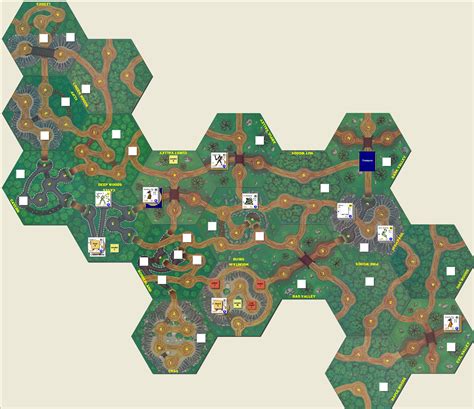
A picture is often worth a thousand words, especially in gaming. Screenshots, maps with marked locations, flowcharts for complex mechanics, or item comparison tables can convey information far more efficiently than text alone. However, avoid cluttering the guide with unnecessary images. Each visual should serve a clear purpose: illustrating a specific location, demonstrating a character build, or showing a particular UI element. Label images clearly and place them immediately relevant to the text they support.
Implement Robust Navigation and Search Features
For longer guides, a table of contents at the beginning with anchor links to each major section is essential. This allows players to jump directly to specific topics. Furthermore, if your platform supports it, a robust internal search function can be a game-changer. For multi-page guides, ensure clear “next/previous” navigation or a comprehensive index page. Consider using internal links within the text to cross-reference related information without repeating it.
Prioritize “Just-in-Time” Information Delivery
When a player is stuck, they often need an immediate, concise answer. Structure your content to deliver the most critical information upfront. For example, a boss guide might start with a quick bulleted list of “Key Weaknesses” and “Recommended Gear” before diving into a more detailed breakdown of mechanics. Similarly, a quest guide should clearly state the objective and immediate steps, with optional expanded details for those who need more context.

Leverage Interactivity and Dynamic Elements (Where Possible)
Modern web platforms offer opportunities for more dynamic guides. Features like collapsible sections can hide detailed explanations until a user clicks to expand them, keeping the initial view clean and focused. Item databases with filters, build calculators, or interactive maps further empower users to find exactly what they need without sifting through static text. While these features require more development, they significantly enhance user experience for complex games.

Conclusion: Clarity, Conciseness, and User Focus
Optimizing gaming guides for quick, specific answers is about putting the user’s needs first. By focusing on scannability, modular design, relevant visuals, robust navigation, and just-in-time information delivery, guide creators can transform overwhelming data into accessible, effective resources. The goal is to get players back into the game, empowered with the knowledge they sought, rather than lost in a sea of detail. A well-optimized guide doesn’t just provide answers; it provides them efficiently, enhancing the overall gaming experience.