How to effectively analyze competitive esports VODs for skill improvement?

In the high-stakes world of competitive esports, marginal gains often separate victory from defeat. While raw mechanical skill and inherent talent are crucial, consistent improvement stems from a disciplined approach to learning. One of the most powerful, yet often underutilized, tools in a player’s arsenal is effective Video on Demand (VOD) analysis. This isn’t just about re-watching your own mistakes; it’s a deep dive into strategic understanding, decision-making, and pattern recognition that can elevate individual and team performance significantly.
Setting the Stage: Tools and Mindset
Before you even press play, preparation is key. Ensure you have the right setup: a clear recording of your gameplay (or a professional match you wish to study), a note-taking application (digital or physical), and ideally, a screen-sharing tool if reviewing with teammates or a coach. More importantly, cultivate the right mindset. Approach VOD analysis with objectivity, an open mind, and a focus on learning, not just fault-finding. Be prepared to scrutinize every action, every decision, and every second of gameplay without ego getting in the way.

Deconstructing the Gameplay: What to Scrutinize
Effective VOD analysis goes beyond merely identifying a ‘bad play.’ It’s about understanding the ‘why’ behind every action and reaction. Here are critical areas to focus on:
Individual Mechanics and Execution
- Positioning: Were you in the optimal place for safety, aggression, or utility?
- Aim/Targeting: Were your shots precise? Did you prioritize targets correctly?
- Ability Usage: Were your abilities used efficiently, effectively, and at the right time? Did you miss opportunities or waste resources?
- Resource Management: (e.g., Gold, mana, cooldowns, health, armor/shields) Were you making the most of your available resources?
Decision-Making and Game Sense
- Information Processing: What information did you have at the moment of a decision? Did you miss crucial cues?
- Risk vs. Reward: Was the play you made worth the potential downsides? Could a safer, equally effective option have been taken?
- Rotations/Pathing: Were your movements across the map logical and timely? Did you anticipate enemy movements?
- Target Prioritization (Macro): Which objectives were you focusing on? Was this the correct strategic choice for the game state?
Team Coordination and Communication
- Callouts: Were calls clear, concise, and timely? Was vital information shared effectively?
- Synergy: Did your actions align with your teammates’ actions? Were you enabling each other or working against each other?
- Engage/Disengage: Was your team on the same page for initiating or retreating from fights?
A Systematic Approach to VOD Review
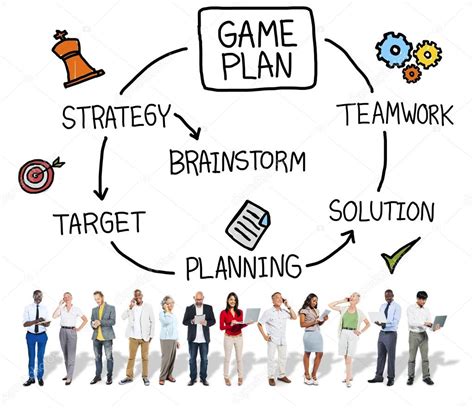
To avoid feeling overwhelmed, follow a structured process:
- First Pass (General Overview): Watch the VOD through once at normal speed, as if you’re a casual observer. Get a feel for the flow of the game, key turning points, and overall team performance. Avoid pausing or taking detailed notes initially.
- Second Pass (Detailed Analysis – Your Perspective): Re-watch the VOD, focusing solely on your character’s perspective. Pause frequently, rewind, and slow down critical moments. Ask yourself: “Why did I do that?” “What other options did I have?” “What information was I missing?” Document every mistake, misplay, or area for improvement, no matter how small.
- Third Pass (Team/Opponent Perspective – if applicable): If you have access to other players’ perspectives or an opponent’s VOD, review these to understand broader team dynamics, enemy strategies, and how your actions impacted or were impacted by others.
- Note-Taking and Categorization: Organize your observations. Group similar mistakes (e.g., “poor positioning in lane,” “missed ultimate opportunities”). This helps identify patterns and recurring issues. Assign a timestamp to each note for easy reference.
- Self-Reflection vs. Team Review: If playing in a team, conduct a joint VOD review. Discuss different perspectives, align on strategic errors, and collectively brainstorm solutions. This fosters team cohesion and shared learning.
Translating Insights into Skill Growth
Identifying mistakes is only half the battle; the real improvement comes from implementing solutions. Create an action plan based on your VOD analysis:
- Prioritize: You likely won’t fix everything at once. Identify 1-3 critical areas to focus on for your next practice sessions or games. These should be high-impact issues that, if improved, will yield significant results.
- Develop Drills/Practice Scenarios: Can you create specific drills in custom games or practice modes to address your weaknesses? For instance, if positioning is an issue, practice specific movement patterns or map control techniques. If a certain ability combo is missed, drill it until it’s muscle memory.
- Integrate into Live Gameplay: Consciously try to apply your learned lessons in your next competitive matches. This requires mental stack management – actively thinking about your prioritized improvements while playing. It will feel uncomfortable at first, but with repetition, it becomes second nature.
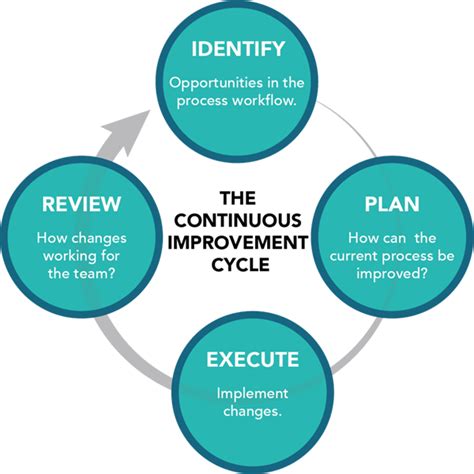
- Re-evaluate and Adapt: After a few games focusing on your improvements, conduct another VOD analysis. Are you making progress? Have new issues emerged? Continuously refine your focus areas and action plans.

Remember that improvement is a marathon, not a sprint. Consistency in VOD analysis, combined with deliberate practice, is the cornerstone of sustainable skill development in esports. Embrace the process, be patient with yourself, and watch your competitive edge sharpen with every review.
The Continuous Loop of Improvement
Effective VOD analysis isn’t a one-time event; it’s a continuous, cyclical process. Each game provides new data, new challenges, and new opportunities for learning. By diligently reviewing your gameplay, you’re not just correcting errors; you’re building a deeper understanding of the game’s intricate mechanics, strategic layers, and psychological aspects. This systematic approach transforms raw gameplay into actionable knowledge, turning every match—win or lose—into a valuable lesson on your journey to becoming a better esports competitor.