What’s the best strategy for updating old game guides to maintain relevance and search visibility?

Why Updating Old Game Guides is Essential
In the fast-paced world of video games, information can become outdated almost as quickly as it’s published. New patches, DLCs, meta shifts, and community discoveries constantly alter the optimal ways to play. For content creators and gaming websites, letting old guides languish can lead to a decline in user trust, engagement, and, critically, search engine ranking. An active update strategy transforms static content into evergreen resources, ensuring your audience always finds accurate and useful information.
Maintaining relevance is not just about accuracy; it’s also about staying competitive. Many users will abandon a guide if they quickly discover it references outdated game mechanics or items. Search engines, in turn, prioritize fresh, comprehensive, and helpful content, making regular updates a cornerstone of any successful SEO strategy for gaming content.

Auditing Your Content for Prioritization
The first step in any effective update strategy is a thorough content audit. You likely have dozens, if not hundreds, of guides. Not all of them will require immediate attention. Use analytics tools (like Google Analytics or Google Search Console) to identify guides that:
- Are still receiving significant traffic but might contain outdated information.
- Have high potential for traffic if updated and re-optimized.
- Are linked to current popular games or new game content.
- Are underperforming despite covering a popular topic.
Prioritize updates based on a combination of traffic potential, ease of update, and the severity of outdated information. Start with your most valuable assets, then move to guides that offer quick wins in terms of improved accuracy and search visibility.
Implementing a Comprehensive Content Refresh
1. Accuracy and Information Overhaul
This is the core of the update. Go through the guide section by section:
- Verify all facts: Check stats, item names, ability descriptions, and quest objectives against the current game version.
- Incorporate new content: Add details about recent patches, DLC, expansions, or significant game updates. This might include new items, characters, strategies, or areas.
- Address meta shifts: If a specific strategy, character build, or weapon was optimal but is no longer viable, update the recommendations. Explain why the meta has changed.
- Expand and clarify: Look for areas where the guide could be more detailed, clearer, or provide additional value (e.g., advanced tips, common pitfalls, FAQ section).
2. Enhance Readability and User Experience
An updated guide isn’t just about accurate information; it’s also about how that information is presented. Improve the user experience by:
- Updating visuals: Replace old screenshots and videos with new, high-quality ones that reflect the current game version. Ensure images are optimized for web.
- Improving formatting: Use clear headings (H2, H3), bullet points, numbered lists, and bold text to break up long paragraphs and make the guide scannable.
- Adding internal links: Link to other relevant guides on your site. This helps users navigate your content and strengthens your site’s internal linking structure, which is beneficial for SEO.
Strategic SEO Optimization for Updated Guides
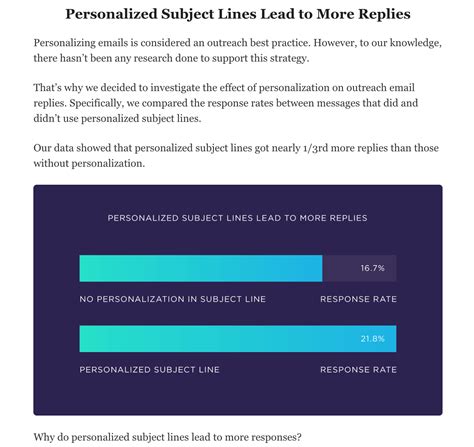
Updating content without optimizing it for search engines is a missed opportunity. Focus on these SEO elements:
- Keyword Research: Conduct fresh keyword research. Search trends change, and new long-tail keywords might emerge. Integrate these naturally into your updated content.
- Title and Meta Description: Craft compelling, keyword-rich titles and meta descriptions that accurately reflect the updated content and entice clicks. Consider adding a “(Updated for X.X)” tag if appropriate.
- URL Structure: If the URL is still relevant, keep it to preserve existing backlinks and SEO value. If it’s completely outdated, consider a 301 redirect if you create a new one.
- Image Alt Text: Ensure all new and old images have descriptive alt text for accessibility and SEO.
- Schema Markup: For complex guides, consider implementing schema markup (e.g., HowTo, FAQPage) to help search engines understand your content better and potentially earn rich snippets.
Promoting Your Refreshed Content
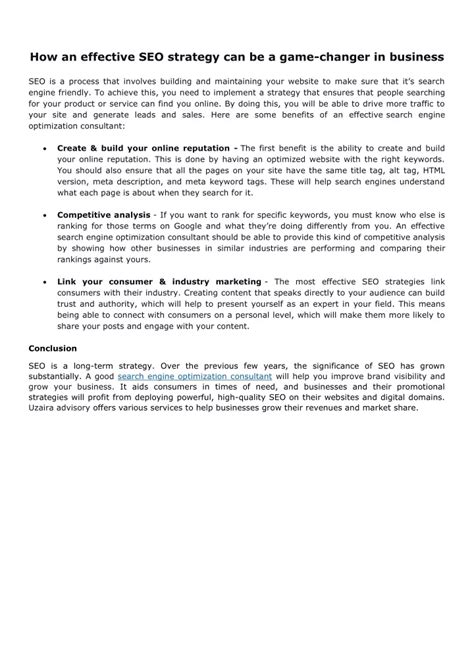
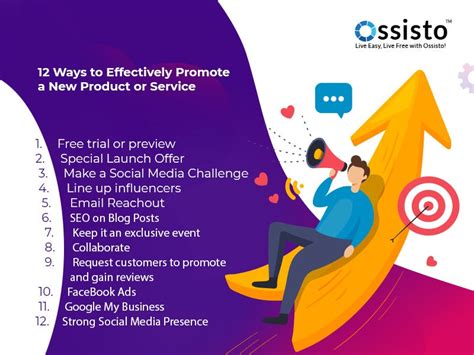
Once your guide is updated, don’t let it sit idly. Actively promote it to maximize its reach and impact:
- Social Media: Share the updated guide across all your social media channels. Highlight what’s new and improved.
- Newsletters/Community Hubs: Inform your subscribers or community members about the refreshed content. This can drive immediate traffic and engagement.
- Internal Announcements: If you have a gaming forum or discord server, make an announcement there.
- Link Building: If feasible, reach out to other sites or communities that might link to your updated resource.
Conclusion: A Continuous Cycle of Improvement
Updating old game guides is not a one-time task but an ongoing process. Implementing a robust strategy involving content audits, comprehensive refreshes, diligent SEO optimization, and proactive promotion will ensure your gaming content remains accurate, relevant, and highly visible in search results. By committing to this continuous cycle of improvement, you build a stronger, more trustworthy resource for your audience and cement your position as an authority in the gaming content space.