NVMe SSD vs SATA: Which is best for game load times?
The Quest for Faster Game Load Times
In the world of PC gaming, every second counts. From smooth frame rates to snappy responsiveness, gamers are constantly looking for an edge. One of the most common frustrations is waiting for games to load, whether it’s booting up the game itself, transitioning between levels, or fast-traveling across vast open worlds. For years, Solid State Drives (SSDs) have been the gold standard for vastly improving load times over traditional Hard Disk Drives (HDDs). But with the advent of NVMe (Non-Volatile Memory Express) SSDs, a new debate has emerged: how much faster are they than their SATA (Serial Advanced Technology Attachment) counterparts, especially when it comes to game load times?

Understanding SATA SSDs
SATA SSDs represent a significant leap from HDDs. They utilize the SATA III interface, which offers a theoretical maximum throughput of 600 MB/s (megabytes per second). In real-world scenarios, most SATA SSDs achieve sequential read/write speeds in the range of 500-550 MB/s. They connect to your motherboard via a SATA data cable and a SATA power cable. For many years, SATA SSDs were the go-to upgrade for gamers and general users seeking faster boot times and application loading.
Introducing NVMe SSDs
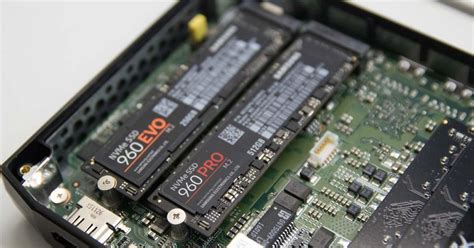
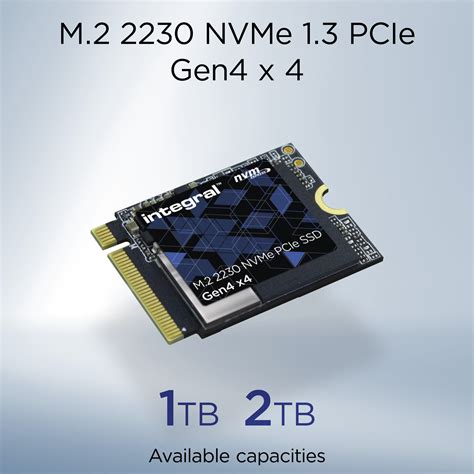
NVMe SSDs, on the other hand, leverage the PCI Express (PCIe) interface, the same high-speed lane used by graphics cards. This allows them to bypass the SATA bottleneck and communicate directly with the CPU. Depending on the PCIe generation (Gen3, Gen4, Gen5), NVMe drives can offer significantly higher speeds. PCIe Gen3 NVMe drives typically reach sequential read/write speeds of 3,500 MB/s, while PCIe Gen4 drives can hit 7,000 MB/s or more. These drives usually come in a compact M.2 form factor and slot directly into a compatible M.2 slot on your motherboard, requiring no additional cables.
Theoretical vs. Real-World Gaming Performance
The vast difference in theoretical sequential read/write speeds between SATA (approx. 550 MB/s) and NVMe (3,500-7,000 MB/s+) might suggest a dramatic reduction in game load times. However, the reality for most current-generation games is more nuanced. Game loading often involves numerous small, random file reads rather than large, sequential transfers. While NVMe excels at both, game engines and operating systems aren’t always optimized to fully exploit NVMe’s incredible peak bandwidth.
Benchmarks from various tech outlets and independent testers consistently show that while NVMe SSDs are indeed faster than SATA SSDs for game loading, the difference is often not as pronounced as the raw speed numbers suggest. You might see load time reductions ranging from a few seconds down to less than a second, depending on the game. For instance, a game that takes 15 seconds to load on a SATA SSD might take 12-13 seconds on a high-end NVMe drive. While a definite improvement, it’s often not the 5x or 10x improvement some might expect based on sequential read speeds alone.

Why the Marginal Difference?
Several factors contribute to this:
- CPU and RAM Bottlenecks: Game loading isn’t just about reading data from storage. The CPU has to decompress assets, process game logic, and prepare the game world, while RAM stores these assets for quick access. These components can become the bottleneck before the storage drive does.
- Game Engine Optimization: Many older or less optimized game engines simply don’t take full advantage of NVMe’s capabilities. They might not be designed to parallelize asset loading in a way that truly saturates an NVMe drive.
- DirectStorage and Future Optimizations: Technologies like Microsoft’s DirectStorage (currently available on Xbox Series X/S and coming to PC) aim to revolutionize game loading by allowing the GPU to decompress game assets directly, bypassing the CPU bottleneck and fully utilizing NVMe speeds. As more games adopt DirectStorage, the performance gap between NVMe and SATA for gaming will likely widen significantly. However, for most current titles, this advantage isn’t yet realized.
Beyond Load Times: Overall System Responsiveness
While the immediate impact on game load times might be less dramatic than expected, NVMe SSDs still offer a noticeable improvement in overall system responsiveness. Boot times are faster, large applications launch more quickly, and general file transfers are significantly snappier. For content creators who work with massive files, the NVMe advantage is undeniable.
Which is Best for You?
Choosing between NVMe and SATA SSDs for gaming ultimately comes down to budget, current needs, and future-proofing:
- For Budget-Conscious Gamers: If you’re upgrading from an HDD, a SATA SSD is still an incredibly worthwhile upgrade, offering a massive performance boost for a lower cost per gigabyte. The marginal difference in load times for most current games might not justify the extra expense of NVMe if your budget is tight.
- For Enthusiasts and Future-Proofing: If you want the absolute best performance, anticipate playing future games optimized for DirectStorage, and have the budget, an NVMe SSD (especially a PCIe Gen4 drive) is the superior choice. It provides a snappier overall system experience and ensures you’re ready for the next generation of gaming.
- For Hybrid Setups: Many gamers opt for a smaller NVMe drive for their operating system and frequently played games, and a larger SATA SSD or even an HDD for mass storage of less demanding titles or other files.
Conclusion
While NVMe SSDs are undeniably faster in raw throughput, their advantage in current game load times over SATA SSDs is often measurable in seconds, not minutes. However, with upcoming technologies like DirectStorage, NVMe’s full potential for gaming is yet to be fully unlocked. For now, both offer an excellent gaming experience far superior to HDDs. Your decision should be based on your budget, your desire for the absolute bleeding edge of performance, and your willingness to invest in future-proofing your gaming rig.