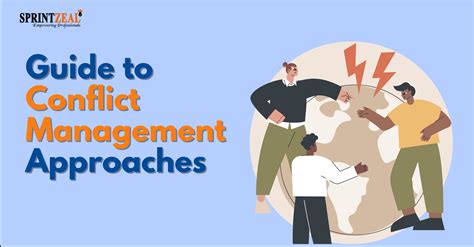
How do gaming communities effectively moderate toxic mod discussions without stifling criticism?

Navigating the Volatile World of Mod Discussions
Gaming communities thrive on creativity, passion, and the endless possibilities offered by user-generated content, particularly game modifications (mods). Mods extend gameplay, introduce new features, and sometimes fundamentally transform the player experience. However, the very passion that fuels modding can also lead to highly charged and often toxic discussions. The challenge for community managers and moderators is to maintain a vibrant space for feedback and critique without allowing discourse to devolve into personal attacks, harassment, or unconstructive negativity.

The Dual Nature of Modding Discourse
Modding communities are unique ecosystems. On one hand, they represent the pinnacle of player engagement, where users actively contribute to a game’s longevity and evolution. Discussions often revolve around technical issues, feature requests, compatibility concerns, and creative direction – all legitimate grounds for passionate debate. On the other hand, the internet’s inherent anonymity, combined with deep personal investment in favorite games and mods, can quickly turn healthy debate into hostile arguments. When a mod is criticized, it can feel like a personal attack on the creator or those who enjoy it, leading to defensiveness and aggression.
This dynamic creates a tricky tightrope walk. Stifling all strong opinions risks alienating dedicated community members and preventing valuable feedback from reaching mod creators. Conversely, allowing unbridled negativity can drive away both modders and players, eroding the very foundation of the community.
Understanding the Roots of Toxicity
Toxic mod discussions don’t emerge in a vacuum. Several factors contribute to their rise:
- Anonymity and Disinhibition: The shield of online anonymity often lowers inhibitions, encouraging behaviors individuals wouldn’t exhibit face-to-face.
- Personal Investment: Players invest significant time and emotion into games and their chosen mods. Criticism can feel personal, especially when it targets something they love or created.
- Misinformation and Misunderstanding: Technical complexities, different playstyles, or simple misinterpretations can quickly escalate into heated arguments if not addressed with clarity and patience.
- “Us vs. Them” Mentality: Factions can form around particular mods, modding philosophies, or even games, leading to tribalism and hostility towards “outsiders.”
- Lack of Communication Skills: Many individuals struggle to articulate criticism constructively, resorting to blunt or offensive language.
Strategies for Effective Moderation
To combat toxicity without suppressing valuable input, communities can employ a multi-faceted approach:
1. Clear and Enforceable Guidelines
A well-defined Code of Conduct is the bedrock of any healthy community. It should explicitly outline acceptable behavior, detailing what constitutes harassment, personal attacks, hate speech, and unconstructive criticism. Crucially, these rules must be consistently enforced, with transparent consequences for violations.
2. Dedicated and Trained Moderation Teams
Effective moderation requires more than just deleting offensive posts. Moderators need to be trained in de-escalation techniques, conflict resolution, and understanding the nuances of community dynamics. They should act as guides, steering conversations back on track and encouraging constructive dialogue rather than merely policing. Empowering them with clear escalation paths for severe breaches is also vital.

3. Structured Feedback Channels
Create distinct spaces for different types of discussions. A “bug report” forum, a “feature suggestion” thread, and a “general discussion” section can help filter out noise and direct feedback to the appropriate context. This reduces the likelihood of legitimate criticism getting lost in a sea of complaints or insults.
4. Proactive Engagement and Education
Community leaders and moderators can actively participate in discussions, modeling desired behavior. Educating users on how to give and receive feedback constructively—e.g., focusing on objective observations rather than subjective judgments, and explaining the “why” behind criticism—can significantly improve discourse quality.
Nurturing Constructive Criticism
The goal isn’t to eliminate all negative feedback, but to transform it into actionable insights. This involves:
- Encouraging Specificity: Prompt users to provide details, context, and potential solutions rather than vague complaints. “This mod is broken” is unhelpful; “The ‘X’ feature crashes my game when I do ‘Y’ after loading ‘Z’ mod” is valuable.
- Promoting Empathy: Remind users that modders are often volunteers spending their free time. Frame criticism as an opportunity for improvement, not an attack.
- Facilitating Modder Engagement: Encourage mod creators to engage with feedback respectfully, asking clarifying questions and explaining their design choices. This transparency can defuse many misunderstandings.
- Utilizing Polling and Rating Systems: Well-implemented systems can help identify commonly reported issues or popular feature requests, providing quantitative data that often cuts through subjective arguments.

The Delicate Balance: Free Speech vs. Safe Space
The core challenge remains the balance between allowing members to express diverse opinions and maintaining a respectful, safe environment. Over-moderation can lead to a sterile community where members feel silenced, while under-moderation can foster an environment of hostility that drives away many users. Successful communities find this equilibrium by prioritizing respect and constructive engagement above all else.
It’s a continuous process of adaptation, learning from past incidents, and refining strategies. The goal is to cultivate a culture where criticism is welcomed as a tool for improvement, not a weapon for conflict, ensuring that the passion for modding continues to enrich the gaming experience for everyone.