Best practices to keep gaming guides updated for patches/DLC without full rewrites?
The Ever-Evolving Game Landscape
In the dynamic world of video games, a guide’s shelf life can feel shorter than a speedrunner’s record. Patches, hotfixes, and extensive DLCs constantly introduce new mechanics, rebalance existing ones, and expand game worlds, rendering even the most meticulously crafted guides obsolete overnight. The daunting task of keeping these resources accurate without undertaking a full rewrite with every update is a significant challenge for guide creators. This article explores best practices to build and maintain gaming guides that are resilient to change, saving countless hours and ensuring your content remains a valuable resource for players.
Building for Adaptability: Modular Design is Key
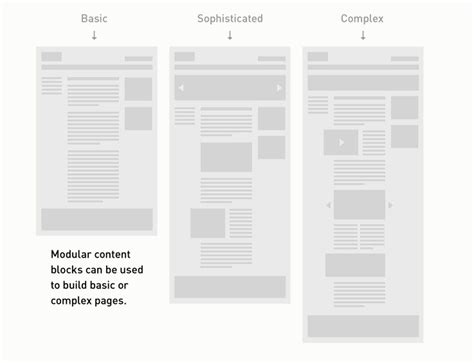
The secret to longevity lies in the initial design. Instead of monolithic blocks of text, structure your guide using a modular approach. This means breaking down information into discrete, self-contained sections that can be updated or replaced independently. Think of your guide as a collection of interconnected articles rather than one long document.
Clear Sectioning and Labeling
- Segment by Core Mechanics: Separate sections for “Combat,” “Crafting,” “Questlines,” “Character Builds,” etc. This allows you to update only the affected section when a specific system changes.
- Dedicated Data Sections: Use tables or lists for numerical data, item stats, skill trees, or resource locations. These are far easier to edit than embedded data within paragraphs.
- Version-Specific Notes: Immediately identify which game version a particular strategy or data point applies to.
Efficient Change Tracking and Integration
Staying ahead of updates requires a proactive approach to monitoring game developments. Relying solely on in-game discovery is inefficient. Establish a systematic process for tracking changes.
Leveraging Official and Community Resources
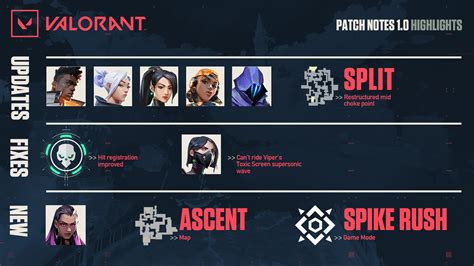
- Official Patch Notes: These are your primary source. Read them thoroughly, paying close attention to specific changes that impact your guide’s content.
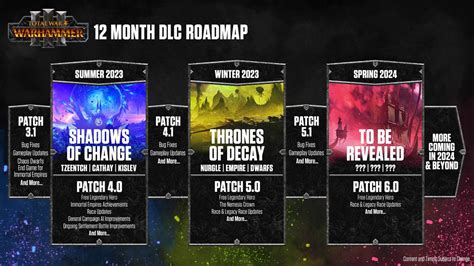
- Developer Blogs & Roadmaps: Anticipate future changes by following official communications.
- Community Discussions: Forums, Reddit, Discord servers, and wikis often highlight immediate impacts and community findings that might not be explicitly detailed in official notes.
- Dedicated Testing: When possible, test changes in-game to verify patch note details and discover undocumented alterations or new interactions.
Strategic Update Methodologies
Once changes are identified, the method of integration is crucial to avoid full rewrites. Focus on minimal, targeted edits.
Inline Annotations and Highlights
For minor changes, add a small, clearly marked note directly within the paragraph or data table where the change occurred. Use a distinct color, bold text, or an asterisk with a corresponding footnote to highlight the updated information. Include the patch number for context (e.g., “[Patch 1.2: Damage increased from 100 to 120]“).
Dedicated “Patch Notes” or “Version History” Sections
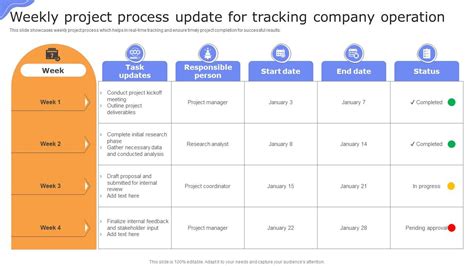
Create a single, easily accessible section at the beginning or end of your guide, or even as a separate linked page, specifically for patch summaries. List all relevant changes, linking them back to the affected sections within the main guide. This provides a clear chronological record and helps users quickly identify what’s new.
Appendices for DLC and Expansions
Rather than weaving new DLC content throughout an existing guide, consider creating dedicated appendices or new linked guide sections. For example, a “Shadows of the Forgotten DLC” appendix can cover new quests, items, and mechanics without altering the base game’s walkthrough.
Conditional Content Display (Advanced)
For platforms supporting it, implement features that allow users to select their game version, dynamically displaying only the relevant content. This is complex but offers the most seamless user experience for highly volatile games.
Leveraging Tools and Community Feedback
Modern content management systems (CMS) and community involvement can significantly streamline the update process.
- CMS Versioning: Utilize built-in version control features of your platform. This allows you to revert to previous versions if an update introduces errors and track changes over time.
- User Feedback Channels: Encourage readers to submit corrections or observations. Provide clear methods for feedback, such as comment sections or dedicated forms. This can act as an early warning system for overlooked changes.
- Collaborative Editing: If working with a team, use collaborative tools that track changes and allow for easy merging of edits.

Conclusion
Keeping gaming guides current in an ever-updating landscape is a continuous effort, but it doesn’t have to be a Sisyphean task of constant rewrites. By adopting a modular design from the outset, actively tracking changes, employing strategic update methodologies, and leveraging available tools and community input, guide creators can maintain valuable, accurate resources with efficiency. This proactive approach not only saves time but also builds a reputation for reliability, ensuring your guides remain relevant and trusted by the gaming community.