Best practices for mod community moderation to promote positive discussion and user retention?

The Vital Role of Moderation in Thriving Communities
In the expansive and often unpredictable landscape of online communities, whether for gaming, hobbies, or professional networking, a strong moderation team is the bedrock of success. Beyond simply enforcing rules, effective moderation fosters an environment where positive discussion can flourish, users feel safe and valued, and ultimately, retention rates climb. This article outlines best practices for community moderators to not just manage, but to actively cultivate a vibrant and engaged user base.

Establish Clear, Concise, and Accessible Guidelines
The first step to effective moderation is having a robust, yet easily understandable set of community guidelines. These rules should outline what is and isn’t acceptable behavior, content, and discussion. They must be:
- Clear and Unambiguous: Avoid jargon or overly complex language. Users should know exactly what is expected of them.
- Comprehensive: Cover common issues such as harassment, spam, hate speech, illegal activities, and off-topic discussions.
- Accessible: Ensure rules are prominently displayed and easy to find, ideally linked in multiple places within the community interface.
- Consistent: All moderators must interpret and apply the rules uniformly. Inconsistencies erode trust and can lead to user frustration.
Regularly review and update guidelines based on community feedback and evolving online trends.
Lead by Example and Foster a Positive Culture
Moderators are the public face of the community’s leadership. Their behavior sets the tone for the entire user base. To promote positive discussion and retention, moderators should:
- Be Role Models: Interact respectfully, constructively, and empathetically with all members, regardless of the situation.
- Encourage Positive Interactions: Actively highlight and praise good behavior, helpful contributions, and constructive discussions.
- Proactive Engagement: Don’t just react to negativity; initiate discussions, ask questions, and celebrate community achievements.
- Educate, Don’t Just Punish: When issues arise, explain why a rule was broken and how to avoid similar infractions in the future, especially for minor offenses.

Consistent and Fair Enforcement
Inconsistency in rule enforcement is one of the quickest ways to alienate users and damage a community’s reputation. Every member, regardless of their tenure or popularity, must be subject to the same standards. Fair enforcement involves:
- Objectivity: Base decisions on the rules, not personal feelings or biases.
- Transparency (where appropriate): While specific disciplinary actions are often private, being transparent about why certain types of content or behavior are not tolerated helps reinforce the rules.
- Escalation Policy: Have a clear system for handling repeat offenders or severe infractions, ranging from warnings to temporary bans, and ultimately, permanent expulsion.
Empower Community Members and Promote Self-Moderation
A healthy community isn’t solely reliant on its moderators; it empowers its members to contribute to a positive environment. Strategies include:
- Robust Reporting Tools: Make it easy and anonymous for users to report rule violations. Respond promptly to reports.
- Recognize Positive Contributors: Acknowledge users who consistently contribute positively, help new members, or participate in constructive ways. This can be through badges, special roles, or simple public recognition.
- Community Feedback Loops: Create avenues for users to provide feedback on moderation policies, rules, and even moderator performance. This fosters a sense of ownership and strengthens trust.

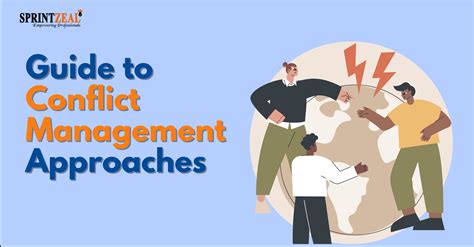
Effective Conflict Resolution and De-escalation
Disagreements are inevitable in any community. How moderators handle them can make or break the community’s health. Best practices include:
- Intervene Early: Address escalating tensions before they explode. A quick, firm, but polite intervention can prevent major issues.
- De-escalation Techniques: Use calm, neutral language. Focus on facts rather than emotions. Suggest private communication for personal disputes.
- Focus on Solutions: Guide discussions toward resolution rather than assigning blame. Remind users of the community’s shared goals.
- Know When to Step Back: Sometimes, less is more. For minor disagreements that aren’t violating rules, allowing users to self-resolve can build resilience.
Adaptability and Continuous Improvement
Online communities are dynamic. What works today may not work tomorrow. Effective moderation requires a willingness to adapt:
- Regular Team Meetings: Moderators should regularly meet to discuss challenges, share insights, and ensure consistent application of rules.
- Analyze Data: Use available data (e.g., number of reports, common rule violations, user activity) to identify trends and areas for improvement.
- Solicit Feedback: Actively ask for community feedback on moderation, rules, and overall community health. Be open to constructive criticism.
- Stay Informed: Keep abreast of new tools, technologies, and best practices in online community management and digital safety.
Conclusion
Mod community moderation is an art and a science, requiring a blend of firmness, empathy, and strategic thinking. By establishing clear guidelines, leading by example, ensuring consistent enforcement, empowering members, skillfully resolving conflicts, and continuously adapting, moderation teams can transform a simple online gathering into a thriving, positive, and enduring community where users not only participate but feel a deep sense of belonging and value. This dedication directly translates into higher user satisfaction and long-term retention.