My gaming PC overheats. How can I improve case airflow & CPU cooling for better performance?

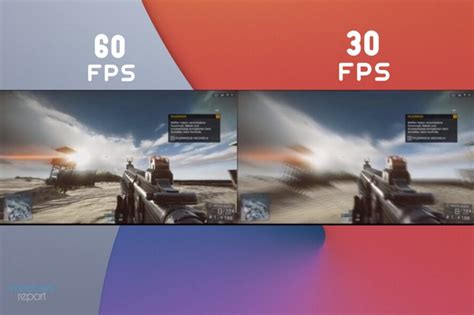
An overheating gaming PC isn’t just an annoyance; it’s a direct threat to your system’s performance and longevity. When components like your CPU and GPU get too hot, they automatically reduce their clock speeds – a process called thermal throttling – to prevent damage. This leads to frustrating frame rate drops, stuttering, and can even shorten the lifespan of your expensive hardware. But don’t despair! Improving your PC’s thermal management is a solvable problem, often achievable with a few strategic adjustments.
The Hidden Dangers of High Temperatures
Beyond performance dips, sustained high temperatures can degrade component materials over time, potentially leading to premature failures. It’s akin to driving a car with its engine constantly redlining. While modern components have safety mechanisms, optimal operating temperatures ensure maximum efficiency and a longer, more stable computing experience. Understanding the two main areas – case airflow and CPU cooling – is crucial for a lasting solution.
Mastering Case Airflow: The Foundation of Cooling
Think of your PC case as a carefully designed wind tunnel. Effective airflow relies on a clear path for cool air to enter and hot air to exit. Poor airflow traps heat, creating a sauna inside your case. Here’s how to optimize it:
1. Fan Configuration & Placement
- Intake Fans: These pull cool air into the case, typically at the front and bottom. Aim for positive pressure (more intake than exhaust) to keep dust out.
- Exhaust Fans: These push hot air out, usually at the rear and top. Hot air naturally rises, so top exhaust fans are highly effective.
- Fan Type: Static pressure fans are better for restricted areas (radiators, CPU heatsinks), while airflow fans are ideal for open areas.
2. Cable Management
Messy cables act like mini-dams, obstructing airflow. Route cables behind the motherboard tray or bundle them neatly out of the way. This simple step can significantly improve air circulation.
3. Dust Control
Dust is an insulator. Regularly clean your case fans, heatsinks, and internal components with compressed air. Consider dust filters on intake vents to minimize buildup.
4. Case Choice
If your current case has poor ventilation (e.g., a solid front panel), upgrading to a case with better mesh or open designs can make a dramatic difference. Look for cases with ample fan mounts and good clearance for components.
Elevating CPU Cooling: Direct Heat Management
The CPU is often the hottest component, and its cooler is critical. If your CPU is constantly hitting high temps, you might need a cooling upgrade.
1. Aftermarket CPU Coolers
- Air Coolers: Large heatsinks with fans. Modern tower coolers (e.g., Noctua NH-D15, Deepcool AK620) can offer excellent performance, often rivaling basic liquid coolers, and are generally more reliable with fewer points of failure.
- All-in-One (AIO) Liquid Coolers: These use a pump, radiator, and fan combo to dissipate heat. They can be more effective for high-end CPUs, especially in smaller cases, and often offer a cleaner aesthetic. Ensure the radiator size matches your case’s capacity.
Unless you have a very low-power CPU, the stock cooler included with most processors is often insufficient for gaming loads, leading to thermal throttling.
2. Thermal Paste Application
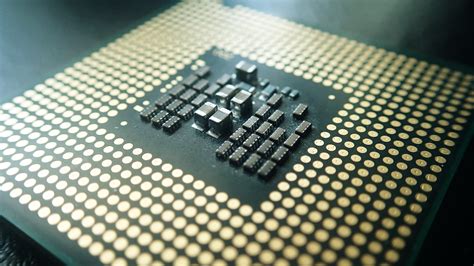
The thermal paste bridges the tiny gaps between your CPU’s integrated heat spreader (IHS) and the cooler’s base plate, facilitating heat transfer. An old, dried-out, or poorly applied thermal paste can severely impede cooling. Reapplying a fresh, high-quality thermal paste every few years (or when reinstalling a cooler) is a simple, effective maintenance task.
3. Secure Mounting
Ensure your CPU cooler is securely mounted. A loose cooler won’t make proper contact with the CPU, leading to poor heat transfer. Double-check all screws and mounting brackets according to your cooler’s instructions.
Monitoring and Fine-Tuning with Software
Knowledge is power when it comes to temperatures. Utilize monitoring software like HWMonitor, MSI Afterburner, or NZXT CAM to track your CPU and GPU temperatures under load. This helps you identify problem areas.
- Fan Curves: Many motherboards (via BIOS) and GPU software allow you to customize fan curves. This means you can set your fans to spin faster when temperatures rise, providing more aggressive cooling when needed and quieter operation during idle periods.
- Overclocking vs. Underclocking: While overclocking pushes components to their limits (increasing heat), sometimes a slight “undervolt” – reducing voltage without significantly impacting performance – can dramatically lower temperatures without sacrificing much, if any, performance.
Conclusion: A Cooler PC is a Better PC
Addressing overheating in your gaming PC is a critical step towards maintaining peak performance and extending the life of your components. By optimizing case airflow through proper fan configuration, diligent cable management, and regular dust removal, and by upgrading or maintaining your CPU cooler with fresh thermal paste and secure mounting, you can significantly lower your system’s operating temperatures. Regularly monitor your temperatures and fine-tune fan curves for a balanced approach to cooling. Invest the time in these adjustments, and your PC will reward you with smoother gameplay and a more reliable experience for years to come.