How to update old game guides for new patches & keep SEO value high?

Game guides are invaluable resources for players, but in the fast-paced world of live-service games, they can quickly become outdated. New patches, expansions, and balance changes render previous strategies and information obsolete. The challenge for content creators isn’t just to update these guides, but to do so in a way that preserves and even enhances their hard-earned search engine optimization (SEO) value. Failing to update means losing credibility, traffic, and ultimately, your audience.
The Inevitable Impact of Game Patches on Guides
Every significant game patch introduces changes that can ripple through your existing guides. This might involve new items, altered character abilities, modified quest lines, or entirely new game mechanics. A guide that was once a definitive resource can become a source of misinformation, leading to frustrated users and a higher bounce rate. Search engines, which prioritize fresh, accurate, and relevant content, will eventually penalize outdated pages, pushing them down the rankings. Proactive updating is crucial for maintaining authority and user trust.

Conducting a Content Audit and Prioritization
Before diving into updates, perform a thorough content audit. Identify which guides are most affected by recent patches and which are your highest-traffic pages.
- High-Impact Guides: These are guides where core information (builds, quest steps, item stats) has significantly changed.
- High-Traffic Guides: Even if changes are minor, updating high-traffic pages can yield immediate SEO benefits due to increased engagement and reduced bounce rates.
- Low-Priority Guides: Guides on very niche or rarely accessed content might be updated later, or even archived if no longer relevant.
Prioritize your efforts based on a combination of impact and traffic. Use analytics tools to identify your most visited guides and keep an eye on official patch notes for major changes.
Strategic Content Updates for Accuracy
Updating a guide isn’t just about changing a few numbers; it’s about ensuring the entire piece remains coherent and valuable.
Incremental vs. Overhaul Updates
For minor patches, incremental updates might suffice. Clearly mark new information or changes. For major expansions or significant game overhauls, a complete guide rewrite might be necessary. Consider adding a “Last Updated” date and a brief changelog at the top of your guide, showing transparency to both users and search engines.
Retaining Original URL and Structure
Crucially, do not change the URL of your guide unless absolutely necessary. Changing URLs breaks backlinks and dilutes SEO authority. If you must change a URL, implement a 301 redirect immediately. Maintain a similar heading structure if possible, as search engines understand the flow and context of your existing content.

Maintaining and Boosting SEO Value During Updates
This is where the magic happens – turning an update into an SEO opportunity.
Refresh Keyword Research
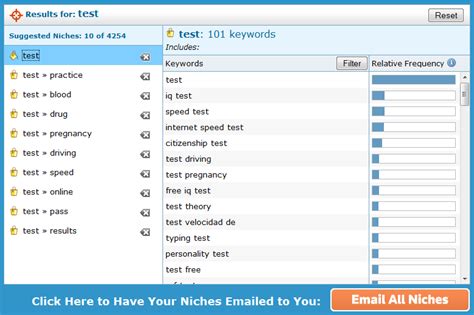
Game terminology evolves. What players searched for pre-patch might be different post-patch. Re-evaluate your primary and secondary keywords. Are there new items, abilities, or strategies that players are now searching for? Integrate these naturally into your updated content, headings, and meta descriptions.
Optimize On-Page Elements
- Title Tags & Meta Descriptions: Update these to reflect the new content and keywords. Make them compelling to encourage click-throughs.
- Headings (H1, H2, H3): Ensure your headings accurately reflect the updated sections and include relevant keywords.
- Internal Linking: As you update guides, look for opportunities to link to other relevant, updated guides on your site. This improves site navigation and distributes “link juice.”
- External Linking: If you reference external sources (e.g., official game wikis, patch notes), ensure those links are still valid and point to the most accurate information.
Enhance User Experience (UX)
A positive UX signals to search engines that your content is valuable. Ensure your updated guides are:
- Readable: Use clear language, short paragraphs, and bullet points.
- Mobile-Friendly: Test how your updated guide appears on various devices.
- Fast-Loading: Optimize images and code to ensure quick load times.
Embracing the “Evergreen” Approach
While constant updates are necessary, try to structure some parts of your guides to be more “evergreen” where possible. Separate core mechanics that rarely change from patch-specific details. For instance, a guide on “How to Play DPS Role” might have evergreen sections on positioning and threat management, with patch-specific sections on current best-in-slot gear or ability rotations. This minimizes the effort for future updates.

Conclusion
Updating old game guides for new patches is a continuous process, but it’s one that pays dividends in sustained traffic, user trust, and strong SEO performance. By strategically auditing, updating, and optimizing your content, you can transform the challenge of game changes into an opportunity to solidify your position as a go-to resource in the gaming community. Keep your content fresh, relevant, and search-engine friendly, and your guides will continue to serve players for years to come.