In the vast landscapes of modern video games, players frequently find themselves stuck not on an entire quest, but on a single, obscure objective within it. The traditional long-form guide, while comprehensive, often fails to provide instant answers to these hyper-specific dilemmas. The key to making gaming guides truly invaluable lies in their ability to pinpoint exactly what a player needs, precisely when they need it.
Granular Content Segmentation is Paramount
The most crucial step is to break down quests into their smallest, most actionable components. Instead of a single page for “The Dragon’s Breath Quest,” dedicate distinct, clearly labeled sections or even individual sub-pages to “Find the Ancient Relic,” “Defeat Kael’thas’s Minions,” and “Return to Elderwood.” Each quest step should be a self-contained unit, easily digestible and directly linkable.
Mastering Keywords and Semantic Tagging
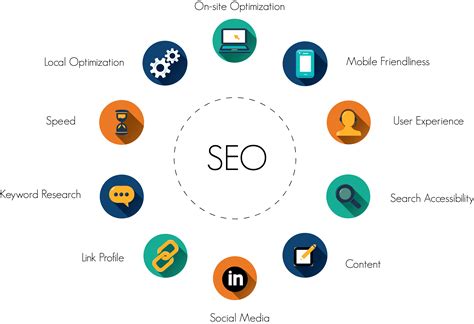
Effective searchability hinges on using the language players actually use. Identify common in-game terminology for quests, NPCs, items, locations, and actions. Implement robust tagging for each quest step, including the quest name, step number, specific objective (e.g., “collect 5 wolf pelts”), and relevant associated characters or items. This allows search engines and internal site search functions to zero in on the exact information.
Consider the myriad ways a player might search: “where is the glowing mushroom for X quest,” or “how to open the crypt in Y quest step.” Your tags and section titles should anticipate these queries.
Clear Headings and Hierarchical Structure
Within the guide’s HTML structure, leverage `
`, `
`, and `
` tags to create a logical hierarchy. An `
` could be the main quest title, `
` for major objectives, and `
` for individual steps within those objectives. This not only aids readability but also provides strong signals to search engines about the guide’s organization and topic relevance for specific queries.
A well-defined heading structure allows both human readers and search engine crawlers to quickly grasp the flow and locate specific points of interest without sifting through paragraphs of unrelated text.
Intuitive Internal Linking and Navigation
A comprehensive table of contents at the top of a long guide, with anchor links to each `
` or specific step, is indispensable. Furthermore, cross-link related steps or prerequisite quests when appropriate. If a step requires a specific item from an earlier quest, link directly to that quest’s guide or the relevant section within it. This creates a web of interconnected information, improving user flow and reducing bounce rates.
Leveraging SEO for External Search Engines
Beyond internal structure, optimize your guide for external search engines. Craft concise, descriptive meta titles and meta descriptions that accurately reflect the specific quest step’s content. Utilize schema markup where appropriate (e.g., HowTo schema for specific instruction sets). Aim for content that is structured enough for Google to pull into “featured snippets” or “answer boxes,” directly addressing a player’s query right from the search results page.
Visual Aids and Contextual Media
While the focus is on text searchability, images and short video clips for particularly tricky quest steps are invaluable. Mark these media files with descriptive `alt` tags and captions that include relevant keywords. An image showing the exact location of a hidden NPC or an obscure item can save a player immense frustration and reinforce the text-based instructions, further enhancing the guide’s utility.
Ultimately, making gaming guides easily searchable for specific quest steps is about adopting a player-centric design philosophy. By segmenting content, employing precise keywords and tagging, structuring information hierarchically, enabling intuitive navigation, and optimizing for external search, guide creators can transform general walkthroughs into powerful, instant problem-solving tools for the modern gamer.