What Indie Spotlight strategy best boosts unknown game visibility & engagement?

Cracking the Code: Boosting Indie Game Visibility and Engagement
The indie game landscape is a vibrant, bustling ecosystem, yet for every breakthrough success, countless brilliant titles struggle to find an audience. For unknown indie games, the challenge isn’t just about crafting a compelling experience, but more critically, making that experience discoverable. Boosting visibility and engagement requires a strategic, multi-pronged approach that extends far beyond the development cycle. Let’s explore the most effective strategies to shine a spotlight on your unknown masterpiece.
Cultivating an Early Community and Leveraging Feedback
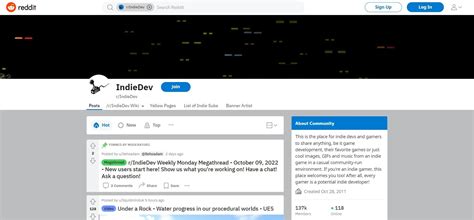
Before launch, your most powerful asset is a nascent community. Platforms like Discord, Reddit (especially subreddits focused on indie games or your genre), and even dedicated forums are fertile ground for connecting with potential players. Share development updates, solicit feedback on early builds or concepts, and foster genuine conversations. Offering access to alpha or beta tests is not only invaluable for bug hunting and design iteration but also creates a core group of invested fans who will become your loudest advocates.

Engaging actively with this community means being responsive, transparent, and appreciative. Their early support and constructive criticism can significantly shape your game’s trajectory, ensuring it resonates more deeply with its target audience upon release.
Strategic Content Creation and Influencer Outreach
In today’s media-rich environment, simply having a game isn’t enough; you need to generate content around it. Developer diaries, behind-the-scenes videos, and regular blog posts not only provide insights into your creative process but also serve as shareable content that can attract new eyes. Visual assets like compelling screenshots and an engaging trailer are non-negotiable for platform listings and press kits.
Beyond self-promotion, influencer outreach is a potent, albeit challenging, strategy. Identify streamers, YouTubers, and content creators whose audience aligns with your game’s genre and style. Start by engaging with their content genuinely before pitching your game. A personalized, concise pitch highlighting what makes your game unique and relevant to their audience is far more effective than a generic email blast. Offer them early access keys and be prepared for potential constructive criticism, as even negative feedback can sometimes spark curiosity.
Optimizing Your Store Presence and Discoverability
Your game’s store page (e.g., Steam, Itch.io, console storefronts) is its primary shop window, and optimizing it for discoverability is paramount. This includes a compelling title, a concise yet descriptive synopsis, and a strong set of genre-appropriate tags. Tags are particularly critical on platforms like Steam, as they dictate how players find your game through searches and recommendations.
High-quality screenshots that showcase gameplay variety and visual appeal are essential. A well-edited trailer that hooks viewers in the first 10-15 seconds and clearly demonstrates the core gameplay loop is non-negotiable. Encourage wishlisting aggressively pre-launch, as high wishlist numbers can signal to platforms that your game is worth promoting, potentially leading to front-page features.
Leveraging Press, Media, and Gaming Festivals
Gaining traction with gaming media outlets can provide a significant visibility boost. Develop a professional press kit containing key information, high-resolution assets, and contact details. Research journalists and editors who cover your game’s genre or independent titles, and craft a personalized email pitch. Follow up politely but avoid being pushy.

Participating in online and physical gaming festivals (like Steam Next Fest, PAX, GDC) offers direct exposure to players and industry professionals. Even a well-crafted demo showcased at an online festival can generate considerable buzz, wishlists, and valuable player feedback.
The Power of Demos and Iterative Improvement
Offering a free, polished demo is one of the most effective ways to convert interest into engagement. A demo allows players to experience your game firsthand, reducing the risk of purchase and building trust. Ensure your demo is representative of the full game’s quality and experience, ending on a high note that leaves players wanting more.

Beyond initial release, sustained engagement comes from listening to your player base. Regularly update your game with bug fixes, quality-of-life improvements, and even new content based on community feedback. This iterative development not only keeps existing players engaged but also shows prospective players that you’re committed to your game’s long-term success, fostering a positive reputation.

Ultimately, there’s no single magic bullet for indie game visibility and engagement. It’s a continuous process of authentic connection, strategic promotion, and persistent refinement. By combining strong community building, thoughtful content creation, platform optimization, and proactive outreach, unknown indie games can carve out their niche and find the audience they deserve.