How do pro esports players optimize their practice routines for peak skill?

In the high-stakes world of professional esports, raw talent is just the starting line. To reach and maintain peak skill, elite players meticulously craft and optimize their practice routines, transforming gaming from a hobby into a rigorous, data-driven discipline. Far beyond simply playing hours on end, their approach integrates strategic in-game training with a holistic focus on physical, mental, and analytical performance.
The Foundation: Structured and Deliberate Practice
Unlike casual gaming, professional practice is never aimless. Every session has specific objectives. Pros break down their gameplay into manageable components, focusing on isolated skills before integrating them into complex scenarios.
Targeted Drills and Warm-ups
- Mechanical Drills: Players dedicate time to repetitive exercises that hone precise mouse control, keyboard inputs, reaction time, and aiming accuracy. These might involve custom maps, training modes, or specific in-game challenges designed to push their limits.
- Cognitive Warm-ups: Before diving into intense scrims, many pros engage in activities that prime their decision-making and strategic thinking, often involving simpler game modes or review of recent strategies.
This deliberate repetition isn’t just about muscle memory; it’s about refining subconscious responses so that complex actions become second nature under pressure.

The Power of Analysis: VOD Review and Data
Perhaps the most distinguishing feature of a pro’s routine is the extensive use of Video On Demand (VOD) review and statistical analysis. This is where self-criticism becomes a superpower.
Individual and Team VOD Review
- Self-Critique: Players review their own gameplay, pausing to scrutinize every death, missed opportunity, and critical decision. The goal is to identify patterns of error, understand decision trees, and explore alternative actions.
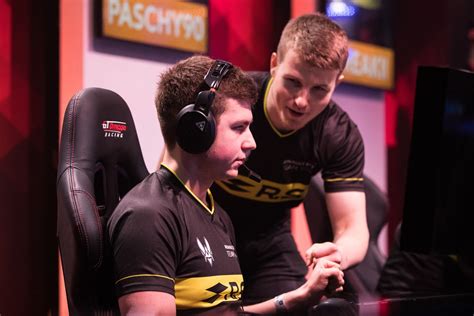
- Team Sessions: Coaches and entire teams dissect scrims and official matches. This collaborative analysis pinpoints strategic flaws, communication breakdowns, and individual misplays, fostering collective improvement and a shared understanding of game theory.
Modern esports organizations also leverage sophisticated analytics tools that track everything from damage output and map control to vision score and economic efficiency, providing objective data to complement subjective observations.
Beyond the Game: Physical and Mental Conditioning
The stereotype of the unhealthy gamer is quickly fading in the professional scene. Recognizing that a healthy body and mind are crucial for sustained performance, pros incorporate holistic well-being into their routines.
Physical Health
- Exercise: Regular physical activity, often guided by personal trainers, improves blood flow to the brain, reduces stress, and enhances stamina—critical for long tournaments.
- Nutrition: A balanced diet fuels cognitive function and sustained energy. Many teams work with nutritionists to optimize their players’ intake.
- Sleep: Adequate, quality sleep is non-negotiable for reaction time, memory consolidation, and emotional regulation. Pros adhere to strict sleep schedules.
Mental Fortitude
- Sports Psychology: Many teams employ sports psychologists to help players manage pressure, cope with losses, maintain focus, and develop mental resilience.
- Mindfulness and Breaks: Short breaks, meditation, and mindfulness exercises are used to reset focus, prevent burnout, and manage anxiety during intense periods.

Synergy and Adaptability: The Team Dynamic
Esports is often a team sport, and individual skill must coalesce into collective strength.
Teamwork and Communication
- Communication Drills: Teams practice clear, concise, and effective in-game communication, refining callouts and strategic coordination under duress.
- Role Mastery: Each player understands their specific role and how it integrates with the team’s overall strategy, practicing scenarios that challenge their individual responsibilities.
Furthermore, the esports landscape is constantly evolving with game patches, meta shifts, and new strategies. Elite players are perpetual students, dedicating time to understanding new updates, experimenting with different tactics, and adapting their playstyles to remain at the cutting edge.
Conclusion: The Pursuit of Perfection
Optimizing practice routines for peak skill in esports is a multifaceted endeavor. It moves beyond raw hours into a scientific approach that blends deliberate in-game training, rigorous analytical review, comprehensive physical and mental conditioning, and seamless team integration. For professional esports players, every moment of practice is an opportunity for growth, a step closer to mastering their craft and achieving competitive dominance. It’s a testament to dedication, discipline, and the relentless pursuit of perfection in a rapidly evolving digital arena.