What unique Indie Spotlight format boosts discoverability & reader engagement for new games?
In the vast, ever-expanding digital landscape of gaming, new indie titles face an uphill battle for visibility. With thousands of games launching annually, simply being ‘good’ is often not enough to cut through the noise. Traditional reviews and static feature articles, while valuable, can struggle to capture the dynamic essence of a game or forge a genuine connection with potential players. The challenge, then, lies in crafting an Indie Spotlight format that not only highlights a game but actively boosts its discoverability and deeply engages its audience.
The Discoverability Dilemma for Indie Games
The sheer volume of content on platforms like Steam, Itch.io, and console stores makes it incredibly difficult for even the most brilliant indie games to get noticed. Algorithms favor established titles or those with existing momentum, leaving many newcomers in the shadows. For an Indie Spotlight to truly make an impact, it must move beyond a simple announcement or a summary of features. It needs to provide a unique hook, an emotional connection, or an interactive element that compels readers to not just skim but to invest their time and interest.

Interactive Developer Deep Dives
One powerful approach is to transition from static interviews to interactive developer deep dives. Imagine a spotlight featuring embedded, pre-recorded video segments where the lead designer walks through a specific game mechanic, level design philosophy, or character creation process, pausing at key moments to offer written annotations or direct players to a live AMA (Ask Me Anything) session scheduled concurrently with the article’s release. This blended media approach allows for both a curated narrative and real-time, unscripted engagement, fostering a sense of community and direct access to the creators.
Further enhancing this, the spotlight could include interactive polls or quizzes related to the game’s lore or development challenges, revealing results in real-time or through follow-up content. This not only encourages participation but also provides valuable insights into what aspects of the game resonate most with the audience.
Community-Centric Engagement Challenges
Beyond developer interaction, an effective spotlight can turn readers into active participants. Introduce ‘community challenges’ tied to the game, even before its full release. For example, a spotlight could feature a small, browser-based demo level (if feasible) and challenge players to find hidden secrets, achieve specific scores, or create fan art inspired by a given prompt. The best submissions could then be featured in a follow-up article or directly within the original spotlight, turning it into a living, evolving piece of content.
This gamified approach not only drives engagement with the spotlight itself but also builds a nascent community around the game, generating organic buzz and user-generated content that acts as powerful, authentic marketing.

The Power of Visual Storytelling & Playable Snippets
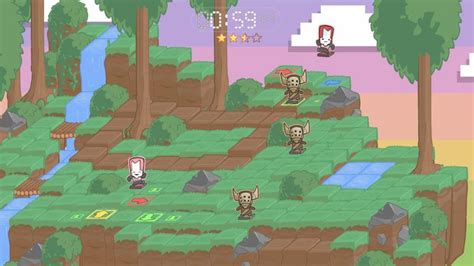
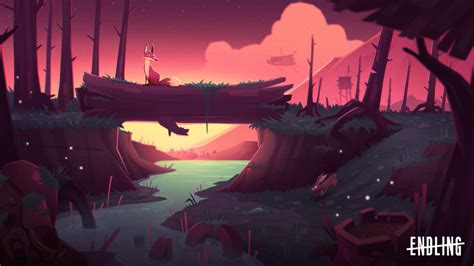
Visuals are paramount for games, and an Indie Spotlight can leverage this by integrating more than just screenshots and trailers. Consider a ‘visual essay’ format where a game’s unique art style or thematic elements are explored through animated segments, interactive galleries, or even short, in-engine cutscenes created specifically for the spotlight. The goal is to convey the game’s aesthetic and mood in a way that static text cannot.
The ultimate engagement booster, however, is the inclusion of very short, browser-based playable snippets. Even a single-room puzzle or a basic combat encounter can provide a tangible ‘feel’ for the game that no amount of description can replicate. This low-friction access removes barriers, allowing potential players to experience a slice of the gameplay instantly, right from the article.
Progressive Reveals and Thematic Groupings
Instead of a single, monolithic spotlight, consider a series of ‘progressive reveals’ over several days or weeks. Each segment could focus on a different aspect of the game – from its narrative and lore to its core mechanics, soundtrack, or character development – building anticipation and encouraging return visits. This drip-feed approach keeps the game in the public consciousness for longer.
Another unique format is ‘thematic groupings,’ where a spotlight doesn’t just feature one game but curates 2-3 lesser-known indie titles around a specific innovative mechanic, genre twist, or emotional theme. This cross-promotion can introduce readers to multiple gems they might otherwise overlook, benefiting all featured developers by associating them with a curated, quality selection.
By moving beyond passive consumption to active participation, an Indie Spotlight can transform from a mere article into an interactive experience. Formats that integrate interactive developer insights, foster community-driven content, offer playable snippets, and employ progressive or thematic reveals will not only give new games a much-needed discoverability boost but also cultivate a more engaged, invested, and ultimately, loyal player base. The future of indie game promotion lies in building bridges, not just broadcasting messages.