For our Indie Spotlight, what specific content drives game purchases & wishlists?

Understanding the Indie Game Content Landscape
In the crowded digital marketplace, indie games face a unique challenge: standing out. With thousands of new titles releasing annually, capturing a player’s attention and converting that interest into a purchase or a coveted wishlist add requires a strategic approach to content. For our Indie Spotlight, let’s dissect the specific types of content that consistently prove most effective in driving player engagement and crucial conversions.
The Irresistible Pull of a Strong Game Trailer
Unquestionably, the game trailer remains the single most important piece of marketing content for any indie title. It’s often the first, and sometimes only, impression a potential player gets. A compelling trailer effectively communicates the game’s core gameplay loop, its unique selling propositions, art style, and emotional tone within a short timeframe (ideally 60-120 seconds). Crucially, it should include calls to action – “Wishlist Now on Steam!” – prominently displayed.
Effective trailers prioritize showing, not just telling. They highlight exciting gameplay moments, reveal intriguing narrative hooks, and create a sense of anticipation. Fast cuts, punchy music, and a clear demonstration of what makes the game special are all vital ingredients. A trailer that fails to convey the game’s essence can result in missed opportunities, regardless of how good the game itself is.

The Power of Play: Demos and Playtests
While trailers pique interest, a well-crafted game demo provides the tangible experience that often seals the deal. Offering a vertical slice of gameplay – complete enough to be satisfying but leaving players wanting more – is incredibly effective. Demos allow players to experience the mechanics, feel the atmosphere, and assess if the game genuinely resonates with them before committing to a purchase.
Participating in digital events (like Steam Next Fest) with a strong demo can lead to exponential wishlist growth. Furthermore, private or public playtests offer invaluable feedback, helping developers refine their game and ensure the demo itself is as polished and engaging as possible. This hands-on experience builds confidence and trust in the player base.

Building Connection Through Developer Diaries & Behind-the-Scenes
Indie games often thrive on the personal connection players feel with the creators. Developer diaries, blog posts, and behind-the-scenes content humanize the development process. Sharing insights into the creative journey, the challenges faced, the inspiration behind the art style, or the intricacies of level design fosters a sense of community and investment among potential players.
This type of content builds anticipation not just for the game itself, but for the team bringing it to life. It’s an opportunity to showcase passion, transparency, and the unique voice of the studio. Regular updates, even small ones, keep the game top-of-mind and build a loyal following.

Visual Storytelling: Screenshots, GIFs, and Short Clips
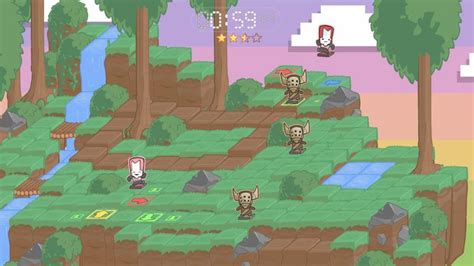
Beyond trailers, static and short-form visual content plays a critical role in attracting and retaining attention. High-quality, evocative screenshots are essential for storefront pages and social media. They should immediately convey the game’s genre, art style, and key features. Similarly, animated GIFs and short video clips (under 30 seconds) are incredibly effective for platforms like Twitter, Reddit, and Discord.
These bite-sized visuals allow developers to highlight specific mechanics, stunning environments, character designs, or humorous moments without requiring a full video commitment from the viewer. They are highly shareable and serve as quick, impactful touchpoints that can draw players further into the game’s world.
Leveraging Influencers and Fostering Community
While not content created by the developer directly, leveraging influencer content and actively engaging with community-generated content is paramount. Collaborating with streamers and content creators who align with your game’s genre and audience can provide massive exposure and authentic endorsements. Their gameplay videos and reviews serve as powerful social proof.
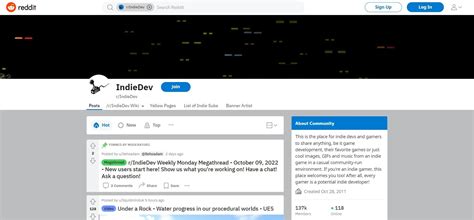
Furthermore, nurturing a vibrant community on platforms like Discord, Reddit, or even dedicated forums allows for direct interaction, feedback loops, and the organic generation of hype. Players who feel heard and connected are more likely to wishlist, purchase, and evangelize the game. Showcasing fan art, encouraging discussions, and running community events all contribute to a thriving ecosystem around your title.

Conclusion: A Multi-faceted Content Strategy is Key
Driving purchases and wishlists for an indie game isn’t about relying on a single piece of content, but rather implementing a cohesive and multi-faceted content strategy. From the initial hook of a captivating trailer and the immersive experience of a demo, to the personal connection of dev diaries and the virality of shareable visuals, every piece of content plays a vital role. By understanding what resonates with players and consistently delivering high-quality, targeted content, indie developers can significantly improve their chances of success in a competitive market.