What’s the best way to manage tilt and toxic teammates in competitive games?

Navigating the Mental Battlefield: Managing Tilt and Toxic Teammates
Competitive gaming, while incredibly rewarding, often presents a unique set of psychological challenges. Beyond mechanical skill and strategic prowess, a player’s mental resilience can often be the deciding factor between victory and defeat. Two of the most common adversaries to a healthy competitive mindset are ’tilt’ – a state of emotional frustration that negatively impacts performance – and ‘toxic teammates’ – players whose negative behavior degrades the team environment. Mastering how to manage these elements is not just about improving your win rate; it’s about preserving your enjoyment and long-term engagement with the games you love.
Understanding and Conquering Personal Tilt
Tilt isn’t just about getting angry; it’s a gradual loss of emotional control that leads to irrational decision-making and mechanical mistakes. It can be triggered by a string of bad luck, a perceived unfair loss, a teammate’s error, or even self-criticism. Recognizing the early signs of tilt is your first line of defense. Are you clenching your jaw? Typing angrily in chat? Making impulsive plays you wouldn’t normally make? Self-awareness is key.

Once you identify you’re tilting, proactive steps are essential. One effective method is the ‘reset’ – physically stepping away from the screen for a minute, taking deep breaths, or splashing cold water on your face. This brief disconnection can interrupt the negative feedback loop. Another strategy is to shift your focus from outcomes to process. Instead of fixating on winning or losing, concentrate on individual improvements: making better rotations, hitting more last-hits, or improving your communication. This re-establishes a sense of control.
Strategies for Dealing with Toxic Teammates
While personal tilt is an internal battle, toxic teammates represent an external threat to your mental state. Their negativity, insults, and blame can quickly infect the entire team. The most straightforward and often most effective solution is to utilize in-game communication tools: mute them. Most competitive games offer options to mute individual players’ voice and text chat. There’s no obligation to endure abuse, and silence is often golden when dealing with persistent negativity.
Beyond muting, focus on your own performance and communication. Keep your calls clear, concise, and positive. Avoid engaging in arguments or trying to “reason” with a toxic player, as this often fuels their behavior. Remember that their actions reflect on them, not on you. Report them after the game if their behavior violates the game’s code of conduct. This contributes to a healthier community in the long run.
Cultivating a Resilient Mindset
Building long-term resilience against tilt and toxicity goes beyond in-game mechanics; it’s about developing a robust mental approach to competitive play. Firstly, embrace the fact that losses are inevitable and a natural part of any competitive endeavor. View them as learning opportunities rather than personal failures. What could you have done differently? What did the opposing team do well?

Secondly, try to detach your self-worth from your in-game performance. Your identity as a person is far more significant than your rank or KDA. Playing with friends who share a positive attitude can also significantly mitigate the impact of random toxic encounters. Shared laughs and mutual support create a buffer against negativity.
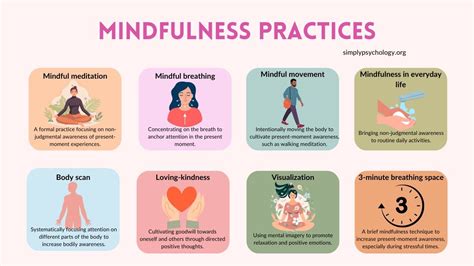
Finally, practice mindfulness both in and out of the game. Being present and aware of your thoughts and feelings without judgment can help you observe tilt building up and choose a different response. Recognize that competitive games are, at their core, meant to be fun. If the stress outweighs the enjoyment, it might be time for a break or a re-evaluation of your approach.
Conclusion: Your Mental Edge in Competitive Gaming
Managing tilt and navigating toxic teammates are not just peripheral skills; they are fundamental components of competitive gaming mastery. By cultivating self-awareness, employing tactical communication tools, and adopting a resilient mindset, you transform potential weaknesses into strengths. Remember, while you can’t control the actions of others or the random elements of a game, you always have control over your own reactions and attitude. This mastery of the mental game is your ultimate advantage, ensuring not only better performance but also a more enjoyable and sustainable journey through the thrilling world of esports.