





How to keep game guides updated post-patch without overwhelming players?
The Challenge of Ever-Evolving Game Worlds
In the dynamic landscape of modern video games, patches and updates are a constant. While these changes keep games fresh and balanced, they pose a significant challenge for guide creators: how do you keep information accurate without overwhelming players with a deluge of modified content? The goal is to provide timely, relevant updates that enhance the player’s experience, not confuse or frustrate them.

Adopt a Modular Guide Design
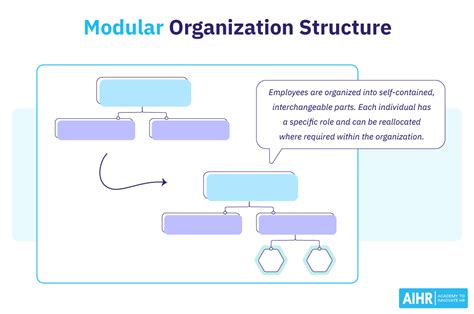
One of the most effective strategies is to design your guides with modularity in mind. Instead of monolithic blocks of text, break down information into smaller, self-contained sections. This approach allows you to update specific paragraphs, abilities, or item descriptions without needing to rewrite entire pages. For instance, character build guides could have separate sections for ‘Skills,’ ‘Gear,’ and ‘Rotation,’ making it easy to pinpoint and alter a single stat change or item modification.
Modular design also benefits players by allowing them to quickly jump to the sections most relevant to their current needs, rather than sifting through an entire guide looking for a minor change.
Implement Clear Versioning and Highlight Changes
Transparency is key. Clearly label your guides with the game version or patch number they correspond to. This immediately informs players whether the information is current. Furthermore, actively highlight the changes made post-patch. Using distinct formatting, such as bold text, colored backgrounds, or expandable ‘Update Notes’ sections, can draw attention to new information or revisions. Some popular methods include:
- Date-stamped update logs: A small section at the top or bottom of a guide listing recent changes with dates.
- Inline ‘New in Patch X.Y’ tags: Place these next to updated abilities or items.
- Comparison tables: For significant balance changes, show ‘Before’ and ‘After’ values.

Leverage Community Feedback and Collaboration
No single guide creator can catch every nuance of a patch. Tap into the wisdom of your player community. Encourage users to report outdated information or suggest clarifications. Platforms like wikis thrive on community contributions, and even static guides can benefit from a dedicated feedback section or a linked Discord server where players can discuss changes. This not only lightens your workload but also fosters a sense of ownership and engagement among your audience.
Consider also collaborating with other guide writers or prominent community members. Pooling resources can significantly speed up the update process and ensure broader coverage of changes.

Prioritize Updates and Offer Summaries
Not all guide sections require immediate updates with the same urgency. Prioritize critical information that directly impacts gameplay, such as major balance changes, new mechanics, or crucial quest steps. Less impactful changes can be addressed in a second pass. For extensive patches, consider publishing a ‘Patch X.Y Guide Summary’ that highlights the most important changes and their implications, linking to more detailed sections for those who want to dive deeper. This allows players to quickly grasp the essential information without getting lost in granular details, only exploring further when needed.
Conclusion: Balance Accuracy with Accessibility
Keeping game guides updated post-patch is an ongoing commitment. By adopting a modular design, clearly communicating changes with versioning, engaging your community, and prioritizing updates, you can strike a crucial balance. The goal is to ensure your guides remain accurate and reliable resources without overwhelming players, ultimately enhancing their enjoyment and understanding of the ever-evolving games they love.



