How can gaming mods effectively combat toxic behavior without stifling community engagement?

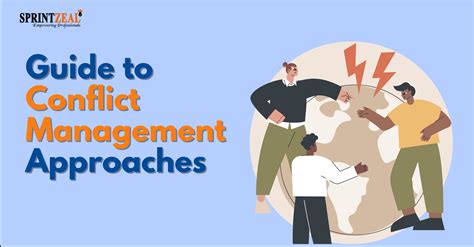
The digital playgrounds of online gaming are vibrant hubs of competition, collaboration, and camaraderie. However, they are also frequently marred by toxic behavior, ranging from hateful language and harassment to cheating and griefing. For game moderators, the challenge is immense: how to effectively stamp out this negativity without over-policing, stifling free expression, or alienating the very community they aim to protect. Striking this delicate balance is crucial for a healthy, thriving game ecosystem.
Understanding the Core Challenge
The inherent tension lies between maintaining order and fostering freedom. Overly strict moderation can make players feel surveilled, hesitant to express themselves, and ultimately disengaged. Conversely, lax moderation allows toxicity to fester, driving away polite players and creating an unpleasant environment. Effective moderation isn’t just about punishment; it’s about cultivation – cultivating a community where positive interactions are the norm and negative ones are quickly addressed and minimized.

Implementing Proactive Moderation Strategies
Instead of merely reacting to incidents, proactive measures can significantly reduce the incidence of toxicity. This includes utilizing advanced AI and machine learning tools for real-time detection of offensive language or suspicious activity. These automated systems can flag content for human review or apply temporary mutes/bans for clear violations, freeing up human moderators to focus on more complex cases requiring nuanced judgment.
Beyond automation, clearly defined and accessible codes of conduct are paramount. Players should know exactly what is expected of them and what the consequences are for infractions. This clarity helps set expectations and reduces perceived unfairness when action is taken. Regular in-game messaging and community outreach about these guidelines can also reinforce positive behavior.
Fostering Positive Engagement and Reinforcement
Combating toxicity isn’t solely about policing the bad; it’s also about elevating the good. Game developers and moderators can design systems that reward positive behavior. This might include commendation systems where players can endorse others for good sportsmanship, helpfulness, or leadership. Public recognition for positive contributions, such as spotlighting exemplary community members or creating leaderboards for positive metrics, can encourage a culture of mutual respect and helpfulness.
Events and initiatives that promote teamwork and cooperation, rather than solely competitive play, can also shift the community’s focus. Creating dedicated spaces or channels for constructive feedback and positive interaction helps channel community energy into productive outlets, reducing opportunities for negativity to take hold.
Empowering the Community: Player-Led Moderation
The community itself can be a powerful ally in the fight against toxicity. Implementing robust, yet abuse-resistant, player reporting systems is a foundational step. Beyond simple reporting, trusted and long-standing community members can be empowered as volunteer moderators (V-Mods). These individuals, often chosen for their deep understanding of the game and its community, can act as first responders, de-escalators, and cultural ambassadors, bridging the gap between official staff and the player base. Their local knowledge can be invaluable for context-sensitive issues.

Transparency and Consistent Communication
One of the quickest ways to stifle community engagement is through opaque or inconsistent moderation. When players don’t understand why actions are taken, or if they perceive favoritism, trust fades. Moderators should strive for transparency where possible, communicating policy changes, explaining the rationale behind major decisions (without disclosing individual player details), and providing clear channels for appeal. Regular “Mod Roundups” or Q&A sessions can help humanize the moderation team and foster a sense of shared responsibility.
Consistency in applying rules is also critical. If similar infractions receive wildly different punishments, it breeds resentment and a feeling of unfairness, leading to disengagement. Establishing clear guidelines and internal training for moderators ensures a unified approach.

Conclusion: A Continuous Balancing Act
Effectively combating toxic behavior without stifling community engagement is not a one-time fix but an ongoing, evolving process. It requires a multifaceted approach combining smart technology, clear policies, positive reinforcement, community involvement, and transparent communication. The goal is to cultivate an environment where players feel safe, respected, and free to express themselves constructively, ultimately strengthening the bonds that make online gaming communities so special. By focusing on both prevention and positive growth, gaming mods can transform problematic spaces into thriving, welcoming digital homes for everyone.