How can our gaming reviews offer more specific value beyond just a score for diverse players?
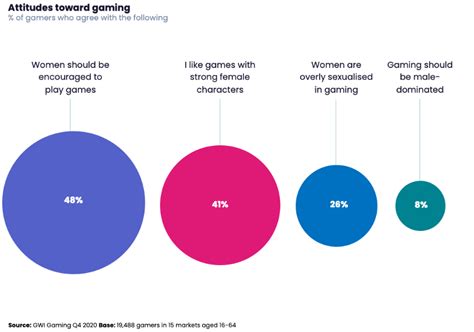
In an increasingly diverse gaming landscape, the traditional numerical score at the end of a review often falls short. While a quick glance at a 7/10 or 9/10 might provide an initial impression, it rarely communicates the nuanced value a game offers to different types of players. A casual gamer, a competitive esports enthusiast, a player with accessibility needs, or a narrative-driven adventurer all look for distinct qualities in a game. How, then, can our reviews transcend the simplistic score and deliver truly specific, actionable value to this rich tapestry of players?
The Limitations of the Score-Centric Paradigm
A single number cannot encapsulate the multifaceted experience of a video game. It homogenizes aspects like story, gameplay, graphics, performance, and replayability into one blunt metric. This approach often leaves players guessing about whether the game’s strengths align with their personal preferences or if its weaknesses are deal-breakers for their specific playstyle. A game might score highly overall but be completely inaccessible or unengaging for a significant portion of the audience due to overlooked details.
For example, a title might receive critical acclaim for its innovative mechanics but suffer from poor optimization on certain platforms, a crucial detail for PC players with varying hardware. Conversely, a game with a mediocre score might still offer an exceptional narrative experience that would deeply resonate with story-focused players, a detail lost in the aggregate number.

Deconstructing Value: What Diverse Players Really Need
To provide specific value, reviews must break down a game’s components and evaluate them through different lenses. This involves understanding the various facets that contribute to a player’s enjoyment and catering to them individually.
Accessibility & Inclusivity Features
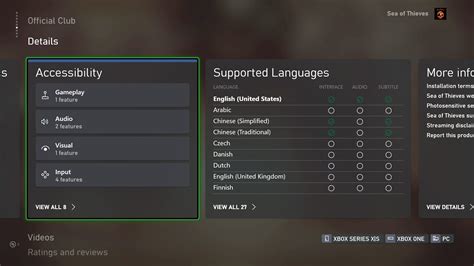
For many players, accessibility is not a luxury but a necessity. Reviews should detail available options such as remappable controls, colorblind modes, difficulty sliders, UI scaling, subtitles with customization, text-to-speech/speech-to-text, and haptic feedback options. Highlighting how a game accommodates different physical, cognitive, and sensory needs can transform a game from unplayable to enjoyable for a wide audience. This goes beyond a simple checkbox; it requires thoughtful evaluation of the implementation and effectiveness of these features.
Playstyle & Mechanics Focus
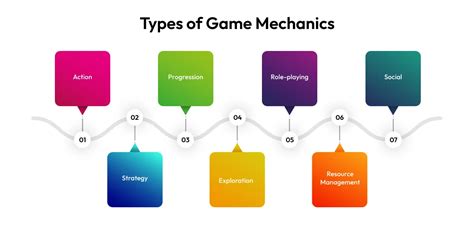
Gamers approach titles with varied intentions. Some seek challenging combat, others deep strategic planning, and some purely escapist narratives. Reviews should dissect core gameplay loops, combat systems (e.g., real-time, turn-based, souls-like), puzzle design, progression systems, and narrative depth. Providing detailed insights into “how it feels to play” for different archetypes—e.g., a stealth player, a run-and-gunner, a completionist, or a casual explorer—allows readers to gauge personal relevance.
For instance, a review could analyze the nuances of character builds in an RPG or the efficacy of different weapon types in an FPS, offering advice tailored to specific preferences rather than a blanket statement.
Community & Social Aspects
For multiplayer titles or games with significant online components, the social experience is paramount. Reviews should cover matchmaking quality, server stability, community features, co-op mechanics, competitive balance, and the potential for griefing or toxic behavior. Understanding the social ecosystem can be as important as understanding the core gameplay for players looking for a shared experience.
How well does the game facilitate team play? Are there robust communication tools? What is the developer’s track record for post-launch support and community engagement?
Technical Performance & Optimization
Beyond graphics, how a game performs across various hardware configurations is vital. Reviews should include detailed performance benchmarks for different platforms (PC, console generations), discussing frame rates, load times, common bugs, stability issues, and optimization levels. This technical deep dive is invaluable for players making purchasing decisions based on their current setup.
It’s crucial to specify if a game runs well on a base console model or only shines on its pro counterpart, or what kind of PC specifications are truly needed to enjoy it at its best.
Crafting the Enhanced Review: Practical Approaches
To deliver this specific value, review structures need innovation. This could involve:
- Categorized Breakdowns: Instead of one overall score, offer scores or detailed paragraphs for specific aspects like “Narrative,” “Gameplay Innovation,” “Technical Performance,” “Accessibility,” and “Replay Value.”
- Player Archetype Recommendations: Explicitly state, “This game is perfect for X type of player, but Y type might find it lacking.”
- Pros/Cons for Different Audiences: Detail specific pros and cons relevant to different player profiles (e.g., “Pro for competitive players: Deep meta-game,” “Con for casual players: Steep learning curve”).
- Comparative Analysis: Link the game to similar titles, explaining how it differs or improves upon them, helping players contextualize their expectations.
The Future of Player-Centric Reviews
Moving beyond a simple score is not just about adding more text; it’s about shifting the paradigm of how we evaluate and present games. It’s about recognizing the individuality of each player and providing them with the specific data points they need to make informed decisions. By offering detailed insights into accessibility, performance, diverse playstyles, and community aspects, reviews can become powerful, personalized guides rather than just generalized opinions. This evolution will foster greater trust with our audience and ensure that every player, regardless of their background or preferences, can find their next truly valuable gaming experience.