How do amateur esports teams effectively scout talent & build synergy?

Amateur esports presents a thrilling proving ground for aspiring pro players and teams. However, success isn’t just about raw individual skill; it’s equally about the collective synergy a team can cultivate. For ambitious amateur squads, the dual challenge of effectively scouting promising talent and then seamlessly integrating them into a cohesive unit is paramount. This article explores practical strategies for identifying the right players and building a team dynamic that transforms individual prowess into championship potential.
The Foundation of Scouting: Where and How to Look
Effective talent scouting at the amateur level requires a strategic approach, often leveraging resources different from those available to professional organizations. It begins with knowing where to search and what qualities to prioritize beyond mere K/D ratios.
Leveraging Community Platforms and Ladders
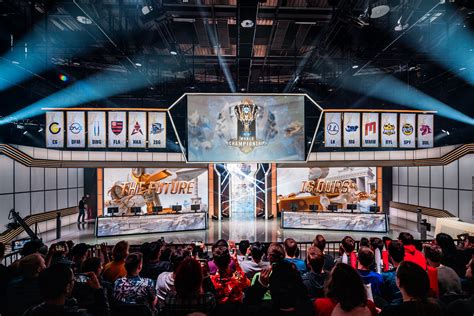
Many amateur teams find their next star players within the game’s competitive ladder system, community Discord servers, and various online forums dedicated to specific esports titles. Participating in local tournaments or online scrim groups can also reveal hidden gems. Look for players who consistently perform well, show adaptability, and demonstrate a willingness to communicate, even in casual settings. Observing their in-game conduct can offer early insights into their personality and teamwork potential.
Identifying Key Player Attributes Beyond Skill
While mechanical skill is undeniable, an amateur team needs to scout for more. Critical attributes include:
- Game Sense & Strategy: Do they understand macro-level plays, rotations, and objective control?
- Communication: Are they clear, concise, and constructive with their callouts? Do they listen effectively?
- Attitude & Coachability: Are they positive, resilient to tilt, open to feedback, and eager to learn?
- Commitment & Availability: Can they consistently dedicate time to practice and scrims?
These “soft skills” are often more crucial for long-term synergy than raw aim alone.
The Tryout Process and VOD Review
Once potential recruits are identified, a structured tryout process is essential. This should include:
- Initial Screening Games: Play a few casual games to observe general playstyle and communication.
- Structured Scrims: Integrate them into team scrims against other known teams to see how they perform under pressure and adapt to a team environment.
- VOD Review Sessions: Analyze their gameplay alongside existing team members. This allows for objective discussion of their decision-making and provides a platform for giving and receiving constructive criticism.
This period isn’t just for the team to evaluate the player, but also for the player to assess if the team culture and playstyle are a good fit for them.
Forging Cohesion: Building Lasting Team Synergy
Recruiting talent is only half the battle; the real work begins when building a group of individuals into a unified, high-performing unit. Synergy is the invisible glue that allows a team to operate greater than the sum of its parts.
Mastering Communication and Role Definition
Clear, effective communication is the bedrock of any successful esports team. This means not only making timely and accurate callouts but also actively listening and processing information. Teams should:
- Establish Communication Protocols: Define what information is critical, how it should be relayed, and who is responsible for specific callouts.
- Clearly Define Roles: Ensure every player understands their primary and secondary responsibilities within the team composition, map, and game state. Who is the primary shot-caller? Who initiates? Who covers flanks?
- Practice Active Listening: Encourage players to acknowledge information received and ask clarifying questions if needed.
Misunderstandings often stem from unclear communication or undefined roles, leading to hesitation and poor decision-making.
Structured Practice and Performance Review
Consistent, structured practice is vital for building synergy. Simply playing games together isn’t enough; practice needs purpose.
- Develop a Practice Schedule: Regular scrims, VOD reviews, and individual skill drills.
- Set Clear Practice Goals: Focus on specific aspects, e.g., “today we focus on mid-game rotations” or “improve our early-game aggression.”
- Conduct Regular Performance Reviews: After scrims or matches, review gameplay together, identifying mistakes and celebrating successes. Focus on objective analysis rather than blame.
- Implement Feedback Loops: Ensure players feel comfortable giving and receiving constructive criticism. A healthy feedback culture is crucial for growth.

Cultivating a Positive Team Culture
Beyond in-game mechanics, the human element of team building is paramount. A positive and supportive team culture fosters trust, resilience, and enjoyment.
- Promote Respect and Trust: Encourage mutual respect among teammates, understanding that everyone contributes to success.
- Manage Conflict Constructively: Disagreements are inevitable. Establish healthy methods for conflict resolution, focusing on solutions rather than personal attacks.
- Encourage Off-Game Bonding: Team dinners, casual game nights, or even just regular communication outside of practice can strengthen personal bonds, which translates to better in-game chemistry.
- Celebrate Successes and Learn from Losses: Acknowledge achievements, no matter how small, and approach losses as learning opportunities rather than failures.

Building a successful amateur esports team is a marathon, not a sprint. It demands patience, dedication, and a systematic approach to both talent acquisition and team development. By diligently scouting for not just skilled players, but also compatible personalities, and by investing in robust communication, structured practice, and a supportive team culture, amateur teams can effectively build the synergy required to climb the competitive ladder and achieve their esports aspirations.