Optimize Windows 11 for max gaming FPS: best settings?
Introduction: Boosting Your Windows 11 Gaming Performance
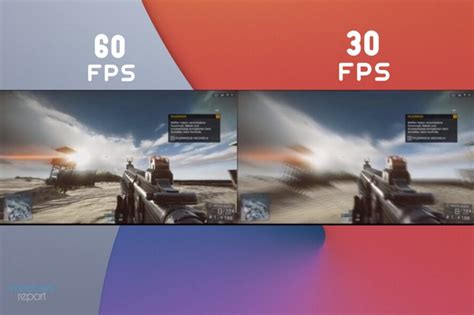
Windows 11 offers a sleek interface and some gaming-centric features, but out-of-the-box settings aren’t always optimized for peak gaming performance. If you’re looking to squeeze every last frame per second (FPS) out of your system, a few tweaks can make a significant difference. This guide will walk you through the essential settings to modify in Windows 11 to achieve a smoother, more enjoyable gaming experience.
Update Your Drivers: The Foundation of Performance
Outdated or corrupted drivers are common culprits for poor gaming performance. Always start by ensuring your graphics card (GPU) drivers are up to date. Nvidia, AMD, and Intel frequently release game-ready drivers that include optimizations for the latest titles.
- Graphics Drivers: Download the latest drivers directly from your GPU manufacturer’s website.
- Chipset Drivers: Update your motherboard’s chipset drivers from your motherboard manufacturer’s website for overall system stability and performance.
- Monitor Drivers: While less common, ensuring your monitor’s drivers are current can sometimes resolve display-related issues.

Game Mode Activation: Windows’ Built-in Optimizer
Windows 11 features a dedicated Game Mode designed to prioritize your gaming experience. When enabled, it helps prevent Windows updates and other background activities from interfering with your gameplay, and it directs system resources towards your game.
- Go to Settings > Gaming > Game Mode.
- Ensure the Game Mode toggle is set to On.
Graphics Settings Tweak: Hardware-accelerated GPU Scheduling
Hardware-accelerated GPU scheduling is a feature that can potentially reduce latency and improve performance by allowing your GPU to manage its video memory more efficiently. This feature is more beneficial on newer hardware.
- Navigate to Settings > System > Display > Graphics.
- Click on Change default graphics settings.
- Toggle Hardware-accelerated GPU scheduling to On.
Additionally, you can add specific games to the graphics settings to set their performance preference:
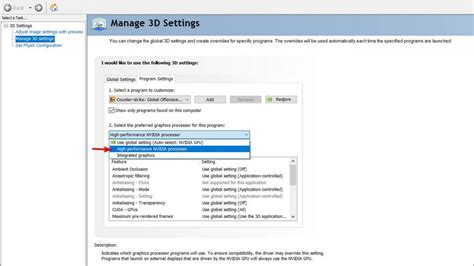
- In Settings > System > Display > Graphics, click Browse and locate your game’s executable file.
- Once added, click Options for the game and select High performance.
Power Plan Optimization: Unleash Full Power
By default, Windows might use a balanced power plan, which can throttle your CPU for energy efficiency. For maximum gaming FPS, you want your CPU running at full power.
- Search for Control Panel in the Start Menu and open it.
- Go to Hardware and Sound > Power Options.
- Select High performance. Some systems may also offer an Ultimate Performance plan, which you can enable via Command Prompt (Admin) by typing:
powercfg -duplicatescheme e9a42b02-d5df-448d-aa00-03f147496726and then selecting it in Power Options.

Minimize Background Activity: Free Up Resources
Background apps and startup programs consume valuable CPU, RAM, and GPU resources that could otherwise be allocated to your game. Shutting them down or preventing them from launching is crucial.
- Startup Apps: Go to Settings > Apps > Startup and disable any unnecessary applications.
- Background Apps: While Windows 11 doesn’t have a direct ‘disable background apps’ setting like Windows 10, you can manage individual app permissions. Go to Settings > Privacy & security > Background apps (or similar per-app settings) and restrict apps from running in the background where possible. For desktop apps, it’s often better to close them manually before gaming.
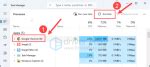
- Task Manager: Open Task Manager (Ctrl+Shift+Esc), go to the Processes tab, and end any non-essential processes that are consuming significant resources.

Visual Effects and Notifications: Less Flash, More Speed
Windows 11’s aesthetic features can come at a performance cost. Disabling some visual effects can free up resources.
- Search for Adjust the appearance and performance of Windows in the Start Menu and open it.
- In the Performance Options window, select Adjust for best performance or manually uncheck effects you don’t need, such as ‘Animate controls and elements inside windows’, ‘Fade or slide menus into view’, etc.
- Go to Settings > System > Notifications and turn off notifications, or at least disable them for apps that send frequent alerts.
Storage Optimization: Keep Your Drive Lean
A fragmented hard drive or a full SSD can impact game loading times and overall system responsiveness. Regularly maintain your storage.
- Defragment and Optimize Drives: Search for ‘Defragment and Optimize Drives’ in the Start Menu. For HDDs, regularly defragment; for SSDs, ensure ‘Trim’ is enabled (usually automatic).
- Disk Cleanup: Use the built-in Disk Cleanup tool to remove temporary files and other unnecessary data.
- Storage Sense: In Settings > System > Storage, enable Storage Sense to automatically free up space by deleting temporary files and managing your cloud content.
Conclusion: A Smoother Gaming Journey Awaits
By diligently applying these Windows 11 optimization settings, you should experience a noticeable improvement in your gaming FPS and overall system responsiveness. Remember that the impact of each setting can vary depending on your hardware, so experiment to find the optimal configuration for your specific setup. Happy gaming!