What’s the optimal format for concise, spoiler-free game walkthroughs?

In the vast and ever-growing world of video games, players often seek assistance to overcome challenging sections, find hidden secrets, or simply navigate complex environments. However, the ideal game walkthrough isn’t one that spoils every twist and turn, but rather one that offers just enough guidance to get unstuck, without ruining the joy of discovery. The quest for an optimal format for concise, spoiler-free game walkthroughs is a critical one for both creators and players.
The Core Challenge: Guiding Without Giving Away
The primary goal of a spoiler-free walkthrough is to provide necessary information while preserving the narrative and exploratory elements that make a game enjoyable. This means focusing on mechanics, puzzle solutions, and critical path navigation, rather than story beats, character revelations, or unprompted boss strategies. The challenge lies in balancing direct instruction with subtle hints, ensuring players can progress without feeling like they’re simply reading a script.
Key Principles for Effective Design
Achieving conciseness and spoiler-freedom requires adherence to several principles. Firstly, prioritize the critical path. Unnecessary detours or exhaustive descriptions of optional content should be clearly marked or separated. Secondly, use precise, action-oriented language. Instead of “Go to the place where the big monster was,” opt for “Head north to the Iron Keep.” Thirdly, avoid any direct quotes from characters, plot summaries, or descriptions of future events.
Consider the player’s immediate need: are they stuck on a puzzle, unsure where to go next, or looking for a specific item? The walkthrough should answer that question directly and efficiently, then allow the player to return to the game. Overly verbose explanations defeat the purpose of conciseness.
Exploring Optimal Formats
Bullet Points and Numbered Lists
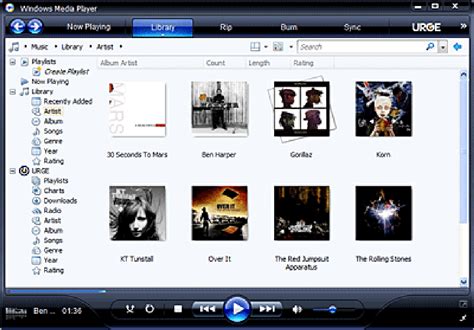
Perhaps the most common and effective text-based format. Bullet points and numbered lists allow for quick scanning and digest. They can outline a sequence of actions (1. Press button A, 2. Pull lever B, 3. Enter door C) or list collectible locations. Their strength lies in their clarity and ease of creation, making them ideal for step-by-step instructions. However, they can sometimes lack the visual context needed for complex spatial puzzles.
Mini-Maps and Annotated Screenshots
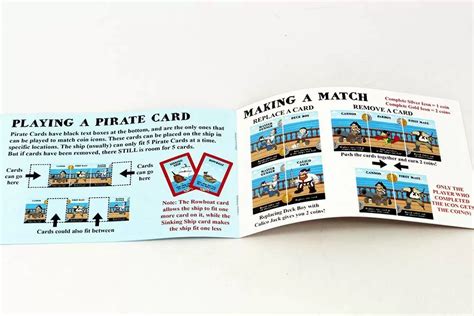
Visual aids can significantly enhance a walkthrough, especially for navigation or puzzle solving. A small, annotated mini-map showing “your location” and “destination” can be far more effective than paragraphs of directional text. Similarly, a screenshot highlighting a specific interactive object or a tricky platforming sequence, without showing surrounding narrative elements, can provide invaluable context without spoilers. The key is judicious use – only where text alone isn’t sufficient.
Flowcharts and Decision Trees
For games with branching paths or complex puzzle sequences involving multiple conditions, a flowchart can be an incredibly powerful tool. It visually represents decisions and outcomes, allowing players to trace their specific path. While more challenging to create, flowcharts offer unparalleled clarity for non-linear progression, ensuring players only see the information relevant to their choices.
Strategic Use of Short Video Clips
While often associated with full “let’s play” style walkthroughs, very short, specific video clips (e.g., 10-20 seconds) embedded or linked for particularly difficult jumps, obscure item locations, or precise timing puzzles can be incredibly helpful. The crucial aspect is their brevity and singular focus, ensuring they don’t reveal more than absolutely necessary. They should be supplemental, not the primary format.
The Hybrid Approach: The Gold Standard
The optimal format likely isn’t a single solution but a strategic blend. A well-structured walkthrough might begin with an introductory paragraph, followed by bulleted steps for the main progression. Key puzzles or navigation points could be augmented with annotated screenshots or simple diagrams. For exceptionally tricky sections, a short, spoiler-free video link could be provided as an optional aid. This hybrid approach caters to different learning styles and problem types, maximizing conciseness and minimizing spoilers.
Best Practices for Authors
- Use Clear Headings: Employ
<h2>and<h3>tags to break down sections logically (e.g., “Chapter 3: The Sunken City,” “Puzzle: Clock Tower Mechanism”). - Bold Key Terms: Highlight interactive objects, item names, or important character interactions to make them stand out.
- Separate Optional Content: Clearly delineate side quests, collectibles, or optional boss fights from the main narrative path. Use “Optional:” prefixes or separate sections.
- Test for Clarity: Have someone unfamiliar with the game try to follow your walkthrough to identify areas of confusion or unintended spoilers.
- Maintain Consistency: Stick to a consistent naming convention for locations, items, and NPCs.
Conclusion
Crafting the perfect concise, spoiler-free game walkthrough is an art that balances efficiency with respect for the player’s experience. By combining clear, scannable text formats like bullet points with judiciously placed visual aids such as annotated maps or screenshots, and occasionally supplementing with ultra-short video clips, authors can create guides that truly serve players without diminishing their sense of accomplishment or spoiling their journey. The goal is to empower, not to dictate, fostering a more enjoyable and engaging gaming experience for everyone.