Esports team comms: Best strategies for effective in-game communication?
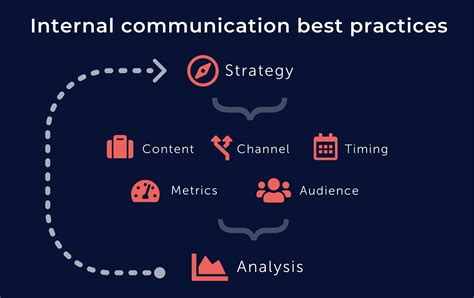
In the high-pressure world of esports, raw mechanical skill is only half the battle. The other, equally critical half, is the ability of a team to communicate effectively under duress. Seamless in-game communication transforms a group of talented individuals into a cohesive unit, allowing for synchronized plays, rapid adaptations, and precise execution of strategies. But what separates good comms from truly great ones? It boils down to a blend of clarity, timing, structure, and emotional intelligence.
The Foundation: Clarity and Conciseness
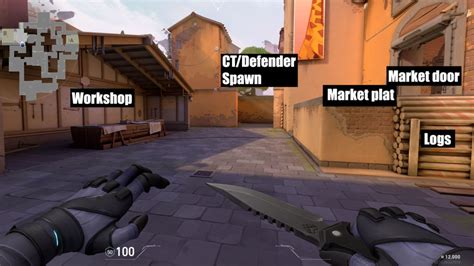
Effective communication starts with being understood. In the fast-paced environment of an esports match, every second counts. Long, rambling sentences or ambiguous information are detrimental. Teams must develop a lexicon of clear, concise callouts for everything from enemy positions and cooldowns to resource management and objective status. This means using specific, agreed-upon terms that leave no room for misinterpretation.
Focus on delivering only essential information: Who, What, Where, When, and Why (if crucial). For instance, instead of “Enemy top,” a more effective callout would be “Lucian mid bush, low health, no flash.” This provides actionable intelligence quickly. Practice makes perfect in reducing information to its most potent form.
Timing is Everything: Prioritization and Pacing
It’s not just what you say, but when you say it. Flooding the comms channel with irrelevant information can be as bad as saying nothing at all. Teams need to prioritize information based on urgency and impact. A critical enemy ultimate cooldown needs to be called out immediately, whereas a minor item purchase can wait for a quieter moment.
Effective teams master the art of pacing their communication, knowing when to be silent to allow for focus on a crucial engagement, and when to speak up to provide vital updates. This often involves a designated shot-caller or an intuitive understanding among teammates of the current communication needs.
Beyond Speaking: Active Listening and Confirmation
Communication is a two-way street. While delivering information is important, actively listening and processing incoming calls is equally vital. Players must develop the discipline to hear and understand their teammates’ calls even amidst intense action. This often means acknowledging calls, even if just with a quick “copy” or “understood,” to confirm reception and prevent duplicate information.
Ignoring calls can lead to misplays and a breakdown in team cohesion. Active listening also helps in filtering noise and identifying the truly critical pieces of information that require immediate action.
Structured Communication: Roles and Responsibilities
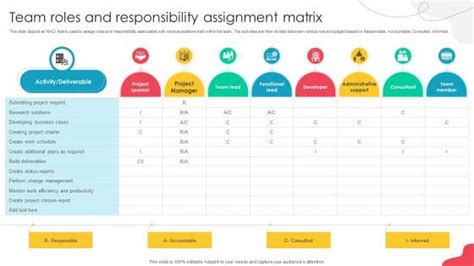
To avoid a cacophony of voices, many esports teams adopt structured communication roles. Typically, there’s a primary shot-caller who makes the high-level strategic decisions and dictates the pace of the game. Other players might have specific responsibilities, such as tracking enemy cooldowns, calling out flank routes, or monitoring objectives.
Clearly defined roles minimize confusion and ensure that all necessary information is being tracked and relayed without overlap. While flexibility is key, having a default structure provides a strong foundation for consistent communication.
Emotional Intelligence: Maintaining Composure
The intensity of competitive gaming can lead to frustration, and negative emotions can quickly infect communication channels. Yelling, blaming, or expressing anger only serves to distract and demotivate teammates. The best teams maintain a positive, constructive, and calm demeanor in their comms, even when things go wrong.
Encouragement and positive reinforcement can significantly boost morale and performance. Post-game analysis is the time for criticism, not during a live match. Emotional control in communication is a hallmark of professional esports teams.
Practice Makes Perfect: Drills and Adaptation
Effective communication isn’t innate; it’s a skill that must be honed through deliberate practice. Teams should regularly review their VODs (Videos On Demand) specifically to analyze their communication patterns. Are there moments of silence when information was needed? Was there too much noise? Were callouts clear and concise?
Dedicated communication drills, where teams practice specific scenarios with a focus solely on comms, can also be incredibly beneficial. As game metas evolve, so too must communication strategies, requiring continuous adaptation and refinement.

Advanced Techniques: Non-Verbal Cues and Pre-planned Signals
While verbal communication is primary, successful teams also leverage in-game pings, emotes, and even subtle movement cues as supplementary communication tools. Pre-planned sequences, like a specific ping followed by a character ability, can convey complex intentions without a single word, saving precious seconds.
This level of synergy is built through countless hours of play and a deep understanding of each other’s playstyles and tendencies.

In conclusion, mastering in-game communication is a continuous journey for any esports team. It requires discipline, a clear strategy, active listening, emotional control, and relentless practice. Teams that prioritize developing their comms will find themselves not just reacting to the game, but dictating its flow, giving them a significant edge on their path to competitive excellence.