How can amateur teams improve comms for better esports performance?

In the high-stakes world of esports, raw mechanical skill is only one piece of the puzzle. For amateur teams striving to climb the ranks, effective communication often proves to be the most significant differentiator, transforming individual talent into a cohesive, unstoppable force. Without clear, concise, and timely comms, even the most skilled players will struggle to synchronize and execute complex strategies. So, how can budding esports teams sharpen their verbal game to elevate their performance?
The Foundation: Establish Clear Communication Protocols
Many amateur teams fall into the trap of unstructured chatter. The first step towards better comms is to establish clear protocols. Define roles within your team – who is the primary shotcaller? Who is responsible for specific information like enemy cooldowns or map movements? Standardize your terminology for callouts. A common lexicon ensures that when a player says “Rotate B,” everyone understands it means the same thing, every time. Differentiate between informational calls (e.g., “Enemy mid”), intent calls (e.g., “I’m pushing top”), and command calls (e.g., “Focus the healer!”). This hierarchy helps prioritize vital information and reduces noise.

Master Active Listening and Concise Callouts
Communication is a two-way street, and active listening is as crucial as speaking. Players must not only articulate their thoughts clearly but also filter incoming information, prioritizing what’s relevant to the current situation. Encourage conciseness; instead of “I see the enemy support character on the left side of the mid-lane, she looks like she’s going to use her ultimate ability soon,” try “Support mid, ult ready.” Eliminate unnecessary filler words or emotional outbursts during critical moments. Practice confirming information received (e.g., “Understood, pushing mid”) to ensure everyone is on the same page and to prevent misinterpretations.
Strategic Planning and Post-Game Analysis
Effective communication extends beyond the live game. Before each match, spend time strategizing. Discuss overall game plans, specific role responsibilities, potential enemy tactics, and contingency plans. This pre-game huddle aligns everyone’s mental map. Equally important is the post-game analysis. Review VODs together, not just focusing on individual mechanical errors, but specifically on communication breakdowns. Did someone miss a call? Was there too much clutter? Was a critical piece of information not conveyed? Constructive feedback in a non-blaming environment is vital for continuous improvement.

Elevating In-Game Shotcalling
The shotcaller is the brain of the team, guiding tactical decisions in real-time. This role requires excellent game sense, decisive thinking, and the ability to convey commands clearly and calmly under pressure. While a dedicated shotcaller is ideal, some teams might benefit from rotating the role based on in-game situations or specific map phases. The shotcaller must prioritize information, focusing on immediate threats, critical objectives, and opportunities. Their tone should be assertive but controlled, inspiring confidence rather than panic. Over time, the team should learn to anticipate the shotcaller’s directives and execute them with minimal delay.
Cultivating a Positive Team Environment
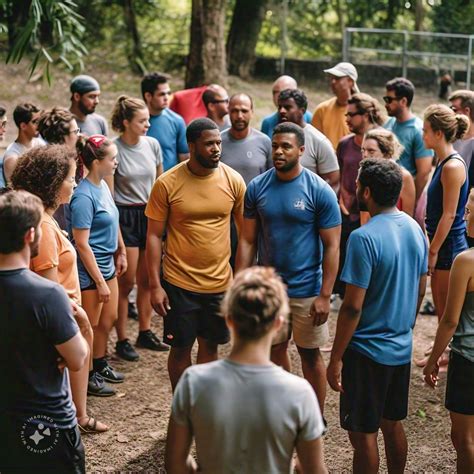
Communication is deeply intertwined with team psychology. A hostile or blame-filled environment will shut down open comms, leading to silence or toxic chatter. Foster a culture of trust and psychological safety where players feel comfortable making mistakes and offering constructive criticism without fear of retribution. Learn to manage ’tilt’ – individual emotional outbursts can severely degrade team comms. Encourage empathy and understanding. When a player makes a mistake, focus on ‘how can we fix this?’ rather than ‘who messed up?’ A positive atmosphere leads to more effective, honest, and frequent communication.
Leveraging Technology and Tools
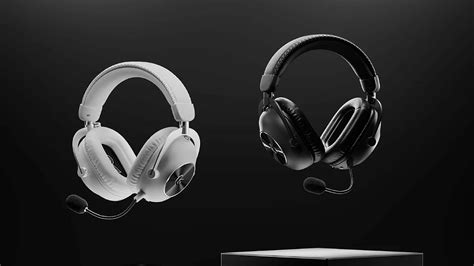
Don’t overlook the basics. Invest in high-quality headsets with clear microphones to minimize background noise and ensure your voice is heard. A stable internet connection is also crucial to avoid audio lag or dropouts. Utilize voice communication software effectively, taking advantage of features like push-to-talk (to prevent accidental noise) and individual volume controls. Beyond in-game tools, consider using shared documents or whiteboards for strategy planning, and specialized VOD review software to pinpoint specific moments of communication success or failure.
Conclusion
For amateur esports teams, improving communication is not a one-time fix but an ongoing process of practice, refinement, and adaptation. By establishing clear protocols, practicing active listening, engaging in thorough strategic planning and post-game analysis, perfecting in-game shotcalling, fostering a positive team environment, and leveraging the right technology, teams can transform their individual skills into a formidable collective force. Consistent dedication to these principles will undoubtedly lead to better synergy, more confident plays, and ultimately, enhanced esports performance.