How can mod communities boost engagement & curb toxicity effectively?
The Dual Challenge: Engagement and Safety in Online Communities
In the vast landscape of the internet, online communities serve as vital hubs for connection, shared interests, and collective knowledge. However, fostering a thriving community presents a perpetual dual challenge for moderators: how to significantly boost user engagement while simultaneously and effectively curbing toxicity. It’s a delicate balance, requiring strategic thinking, consistent effort, and the right tools. A truly successful mod community isn’t just about enforcing rules; it’s about cultivating an environment where members feel safe, valued, and encouraged to participate actively.
Establishing Clear Foundations for a Positive Environment
The bedrock of any healthy online community is a well-defined set of guidelines. These rules should be accessible, easy to understand, and consistently enforced. Transparency in moderation decisions helps build trust and ensures members understand the boundaries. Beyond rules, it’s crucial to proactively cultivate a positive community culture. Encourage constructive discussions, celebrate positive contributions, and provide avenues for users to report issues discreetly and effectively.
- Clear & Concise Guidelines: Make rules easily discoverable and understandable.
- Consistent Enforcement: Apply rules fairly to all users, regardless of status.
- Transparency in Action: Explain decisions where appropriate to foster trust.
- Tools for Reporting: Empower users to flag inappropriate content or behavior.
Strategies for Supercharging Engagement
Engagement isn’t just about preventing bad behavior; it’s about encouraging good behavior and active participation. Moderators can play a pivotal role in sparking and maintaining enthusiasm:
1. Create Interactive Experiences: Organize community events like AMAs (Ask Me Anything) with experts, themed discussion days, contests, or collaborative projects. These activities provide shared experiences and reasons to log in.
2. Recognize and Reward Positive Contributions: Acknowledge active and positive members. This could be through special roles, badges, shout-outs, or even just a simple ‘thank you.’ Positive reinforcement encourages desired behaviors and makes users feel valued.
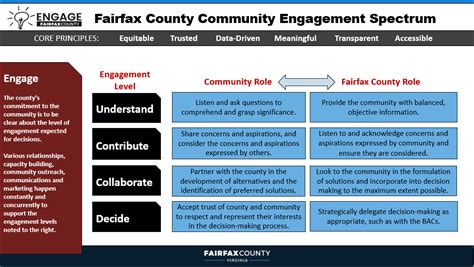
3. Foster Feedback Loops: Actively solicit feedback from the community on rules, events, and overall direction. When members feel heard, they become more invested. Implement suggestions where feasible and communicate why others might not be possible.
4. Empower Community Leaders: Identify and empower positive, active members to take on leadership roles, such as junior moderators or event organizers. This distributes workload and strengthens the community’s self-governance.

Proactive Measures to Curb Toxicity
Waiting for toxicity to appear before acting is often too late. Proactive measures are essential:
1. Leverage Technology: Utilize AI-powered moderation tools that can detect hate speech, harassment, spam, and other harmful content in real-time. These tools can flag content for human review or even automatically remove egregious violations.
2. Establish Visible Moderation: Make moderation efforts visible. This doesn’t mean revealing private details, but letting the community know that rule-breakers are being addressed. This acts as a deterrent and reassures compliant members.
3. Provide Educational Resources: Offer guides on netiquette, conflict resolution, and understanding diverse perspectives. Educating users about the impact of their words can reduce unintentional toxicity.
4. Implement Graduated Responses: Instead of immediate permanent bans, consider a system of warnings, temporary mutes, and short suspensions for lesser offenses. This allows for redemption while clearly communicating boundaries.
5. Prioritize Moderator Well-being: Moderating can be emotionally taxing. Ensure moderators have access to support, clear guidelines for self-care, and a robust reporting system for serious issues. A burnt-out mod team is an ineffective one.
The Evolving Role of Moderators
Modern moderators are more than just rule enforcers; they are community managers, event planners, conflict mediators, and advocates for positive user experience. Continuous training for moderators on de-escalation techniques, cultural sensitivity, and tool usage is paramount. They must lead by example, embodying the positive, respectful culture the community strives for.
Conclusion: The Art of Balance and Continuous Improvement
Boosting engagement and curbing toxicity are not separate endeavors but two sides of the same coin. A highly engaged community is often more resilient against toxicity, and a safe, inclusive environment naturally encourages greater participation. This requires a dynamic approach: continuously analyzing community feedback, adapting rules and strategies, and embracing new tools. By investing in both aspects, mod communities can transform into vibrant, sustainable digital spaces where everyone feels empowered to contribute positively.