Best pitch for Indie Spotlight traction?
Understanding the Indie Spotlight Opportunity
Getting your indie game featured in an ‘Indie Spotlight’ can be a game-changer, offering invaluable exposure to a wider audience, potential players, and even industry connections. However, simply having a good game isn’t enough; you need a pitch that cuts through the noise and genuinely highlights what makes your creation special. The goal isn’t just to inform, but to excite and compel the Spotlight curators to champion your work.
To achieve significant traction, your pitch must go beyond basic descriptions. It needs to tell a story, demonstrate passion, and clearly articulate the unique value proposition of your game. This means understanding what curators look for: innovation, community appeal, polish, and a clear vision.
Crafting Your Unique Selling Proposition (USP)
At the heart of every successful pitch is a clear and compelling Unique Selling Proposition. What makes your game different? Is it a novel mechanic, a distinctive art style, an emotionally resonant narrative, or a groundbreaking multiplayer experience? Identify the one or two core elements that truly set your game apart and make them the cornerstone of your pitch. Avoid generic statements and focus on specifics that evoke curiosity and interest.
Think about the ‘hook’ – that memorable detail or concept that instantly grabs attention. This could be a unique genre mash-up, a surprising twist on a classic formula, or a theme rarely explored in games. Your USP should be easy to understand and immediately intriguing.
The Power of a Concise Story and Visuals
People connect with stories, not just bullet points. Weave a narrative around your game’s development, your team’s passion, or the journey players will embark on. Keep it concise, engaging, and personal. Explain why you made this game and what experience you hope to deliver to players. This human element can be incredibly powerful in differentiating your pitch.
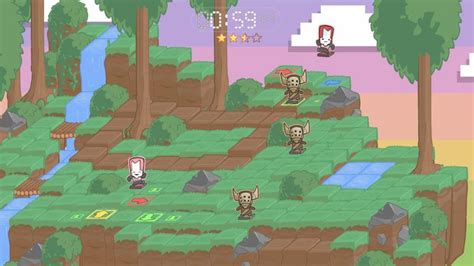
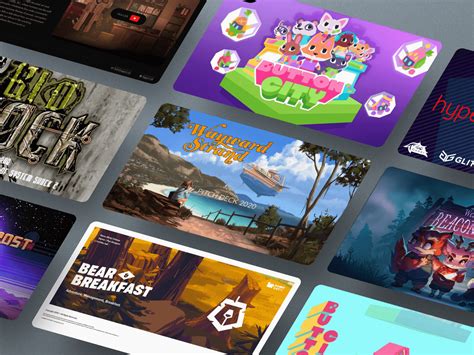
Visuals are paramount. Include compelling screenshots, a captivating GIF, or, ideally, a short, polished trailer. The visual presentation should immediately convey the game’s aesthetic, mood, and core gameplay loops. Ensure your visuals are high-quality and truly representative of the current state of your game.
Highlighting Progress, Polish, and Potential
Curators want to see a game that is not only conceptually strong but also well-executed. Showcase the current state of your game: is it in alpha, beta, or nearing release? Provide evidence of polish, such as smooth animations, intuitive UI, and bug-free gameplay in your demo or trailer. If possible, offer access to a private demo or a recent build.
Furthermore, demonstrate your game’s potential for traction. Do you have an active community? Has it garnered positive feedback from early playtesters or streamers? Mention any awards, nominations, or press coverage your game has already received. This pre-existing buzz can significantly strengthen your case, showing that your game already has a burgeoning audience.

Structuring Your Pitch for Clarity
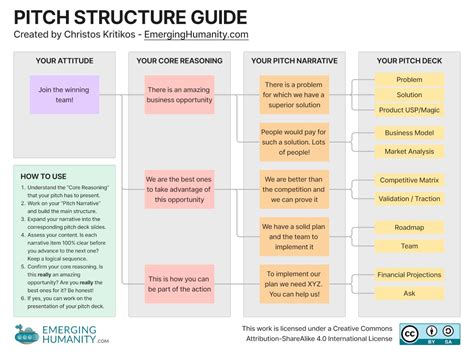
A well-structured pitch is easy to read and digest. Start with a strong opening statement (the hook), followed by your USP. Elaborate on the gameplay mechanics, story, and art style. Include details about your team (briefly), your development journey, and your target audience. Always include a clear call to action, whether it’s to view your trailer, play your demo, or visit your website.
Keep paragraphs concise and use headings or bullet points to break up text. This improves readability and ensures that key information stands out. Proofread meticulously for any typos or grammatical errors – a polished pitch reflects a polished product.
Beyond the Pitch: Follow-Up and Persistence
While an excellent pitch is crucial, the journey doesn’t always end there. Be prepared for follow-up questions and be responsive. If you don’t hear back immediately, a polite follow-up after a reasonable period can be effective. Persistence, coupled with continuous refinement of your game and your pitching skills, will ultimately increase your chances of securing that coveted Indie Spotlight. Remember, every ‘no’ is a learning opportunity to refine your approach for the next ‘yes’.