Effective strategies for solo queue players to improve teamwork in ranked esports?

Navigating the unpredictable waters of solo queue in ranked esports can often feel like a solitary endeavor, even in team-based games. The challenge of coordinating with unfamiliar teammates, each with their own playstyle and objectives, can be daunting. However, improving teamwork isn’t solely dependent on pre-made teams; solo players can adopt effective strategies to become catalysts for better team cohesion and significantly impact their climb.
Mastering the Fundamentals and Game Knowledge
Before you can lead or effectively collaborate, a deep understanding of your chosen game is paramount. This includes not just your main role, but also the basics of other roles, common strategies, meta shifts, and objective priorities. Knowing what your teammates should be doing allows you to anticipate their actions, complement their plays, and offer more informed pings or suggestions. Being proficient in multiple roles also offers valuable flexibility, enabling you to fill gaps in team composition, which is a frequent necessity in solo queue.
Proactive and Positive Communication
Communication is the lifeblood of any team, and in solo queue, it becomes even more critical. Utilize in-game pings effectively and concisely. A ping on an enemy, a danger ping on an overextended teammate, or an “on my way” ping to a fight can convey vital information without a word. When using voice chat, keep calls clear, brief, and actionable. Focus on what’s happening now or what needs to happen next. More importantly, maintain a positive and constructive tone. Avoid blaming or negativity, as it rarely improves performance and often leads to team disintegration. Even a simple “good job” or “we got this” can uplift morale.

Embrace Adaptability and Flexibility
One of the biggest hurdles in solo queue is the rigid mindset. Players often stick to one role or one strategy, regardless of team composition or enemy picks. To improve teamwork, be prepared to adapt. This might mean playing a champion or agent you’re less comfortable with to balance the team, adjusting your item build to counter specific threats, or changing your playstyle to support a carry who is performing well. Observing your teammates’ strengths and weaknesses and playing to enable their success is a hallmark of good teamwork, even when you’re not explicitly coordinating.
Cultivate a Positive Mindset and Tilt Control
Esports can be incredibly stressful, and tilt is a common enemy. A single mistake, a lost objective, or a teammate’s poor play can quickly sour the mood. As a solo queue player, it’s crucial to manage your own emotions and project positivity. Don’t dwell on past errors; focus on the next play. If a teammate is struggling, offer constructive advice or encouragement rather than criticism. Remember, everyone wants to win, and a calm, focused, and positive player can often be the anchor that keeps a team from spiraling. Mute toxic players if necessary, but try to be the solution, not part of the problem.

Leading by Example: Subtle Shot-Calling
You don’t need to be the designated shot-caller to lead. In solo queue, often the most effective form of leadership is leading by example. Make smart plays, consistently hit your abilities, secure objectives, and use your pings intelligently. If you consistently make good decisions and provide clear pings, your teammates are more likely to follow. For instance, a clear “attacking objective” ping followed by you starting the objective can rally your team more effectively than just typing “do obj.” Be the player who consistently makes the right moves, and watch as your teammates naturally gravitate towards your effective strategies.
Post-Game Reflection and Continuous Improvement
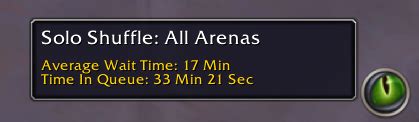
Teamwork isn’t just about what happens during the game; it’s also about what you learn afterward. After each match, take a moment to reflect. What went well? What could have been done better? How did your interactions with teammates impact the game? Reviewing replays can provide invaluable insights into your positioning, decision-making, and communication effectiveness. Identify specific areas where you can improve your personal contribution to teamwork, whether it’s more timely pings, better awareness of your teammates’ positions, or simply maintaining a more consistent positive attitude.
While solo queue can feel isolating, it’s also an incredible proving ground for individual skill and adaptive teamwork. By focusing on mastering fundamentals, communicating proactively and positively, embracing flexibility, maintaining a strong mindset, leading by example, and constantly reflecting, solo players can significantly elevate their contribution to team success. These strategies not only improve your chances of winning but also make the competitive experience more enjoyable and less frustrating, transforming you into a more valuable asset on any team.