How to structure gaming guides for quick, spoiler-free answers without sacrificing detail?
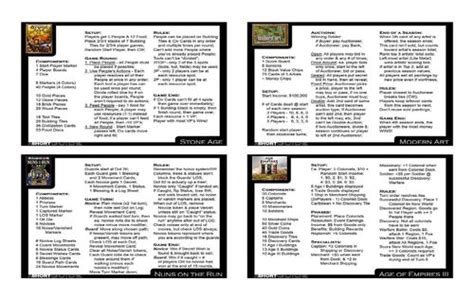
Gaming guides are invaluable resources for players, offering assistance through challenging sections, unveiling secrets, or optimizing gameplay. However, crafting a guide that delivers quick, spoiler-free answers without sacrificing comprehensive detail is an art form. It requires thoughtful structuring to cater to different player needs—those looking for a rapid solution and those seeking an in-depth understanding.
Embracing a Modular and Hierarchical Structure
The foundation of an effective gaming guide lies in its organization. Break down the game into logical, digestible modules. This could be by chapter, quest, area, or even specific objectives (e.g., “Defeating Boss X,” “Finding Collectible Y”). Each module should be self-contained as much as possible, allowing players to jump directly to the section they need without scrolling through irrelevant information.
Utilize clear, descriptive headings (<h2>, <h3>, <h4>) to create a hierarchical flow. A strong heading structure acts as a table of contents within the guide itself, making it easy to scan and locate specific points of interest. For example, a main quest might be an <h2>, sub-objectives as <h3>s, and specific strategies within those objectives as <h4>s.

Implementing Spoiler Controls and Quick Answers
To provide spoiler-free information, consider implementing a “quick reference” section at the beginning of each module or a dedicated “spoiler warning” mechanism. A quick reference could be a bulleted list or a brief paragraph summarizing the solution or key steps, followed by a more detailed explanation. This caters to players who just need a nudge in the right direction.
For sensitive plot points or hidden secrets, explicitly mark spoiler sections. This can be done with distinct headings like “SPOILER WARNING: Story Details Ahead!” or by using visual cues like shaded boxes. On web platforms, collapsible sections are an excellent way to hide spoilers by default, allowing users to reveal them only if they choose. Always prioritize putting critical, non-spoiler information first.

Balancing Conciseness with Comprehensive Detail
Sacrificing detail for brevity is a common pitfall. The key is to present information in layers. Start with the “what” and “how,” then delve into the “why” and “best practices” for those who want more. Use concise language in the quick-answer sections, but ensure the subsequent detailed explanations are thorough and leave no questions unanswered.
Effective Use of Formatting and Visual Aids
- Bullet Points and Numbered Lists: Ideal for step-by-step instructions, item lists, or key takeaways.
- Tables: Invaluable for presenting data like enemy stats, item locations, quest rewards, or crafting recipes in an organized, easy-to-compare format.
- Callout Boxes: Use these for tips, warnings, common mistakes, or alternative strategies.
- Image Anchors: While specific images aren’t included here, in a real guide, well-placed screenshots or maps enhance understanding, showing exactly what to look for or where to go.
Enhancing Searchability and Accessibility
Beyond internal structure, consider how players will find specific answers. Use relevant keywords throughout your guide, especially in headings and introductory paragraphs. For very large guides, an internal search function or a comprehensive index can be incredibly beneficial. Ensure your guide is accessible, using clear fonts, sufficient contrast, and alt text for any images (as simulated by the data-alt attribute here).
Think about the typical player’s mindset when they consult a guide: they’re often stuck, frustrated, and looking for immediate help. Structure your content to directly address these pain points. Anticipate common questions and provide direct, actionable answers.

Conclusion: The Art of the Perfect Guide
Structuring gaming guides for quick, spoiler-free answers without sacrificing detail is a continuous effort to refine clarity, organization, and user experience. By adopting modular designs, implementing clear spoiler controls, layering information, and leveraging effective formatting, guide creators can produce resources that are both immediately helpful and deeply informative. The goal is to empower players, offering them exactly what they need, precisely when they need it, allowing them to enjoy their gaming journey to the fullest.