How can we best structure new gaming guides for quick info access & spoiler-free progression?

The Dual Challenge: Speed and Secrecy in Gaming Guides
Modern video games are complex, often featuring sprawling worlds, intricate mechanics, and rich narratives. Players frequently seek guidance to overcome challenges, find hidden secrets, or optimize their playthroughs. However, the desire for quick information often clashes with the need for a spoiler-free experience, especially in story-driven titles. The art of creating effective gaming guides lies in masterfully balancing these two crucial aspects.
Prioritizing Quick Information Access
For players stuck on a specific puzzle or boss, time is of the essence. Guides must be designed to deliver answers rapidly without forcing users to sift through irrelevant text.
Modular Design and Navigation
- Clear Headings and Subheadings: Use an intuitive hierarchy (e.g.,
<h2>for chapters,<h3>for quests/missions,<h4>for specific objectives) to allow players to scan and jump directly to their point of interest. - Interactive Tables of Contents: A dynamic, sticky table of contents (TOC) with clickable links at the top or side of the guide greatly enhances navigation.
- Search Functionality: If the guide is part of a larger website, a robust search bar is indispensable for locating specific items, NPCs, or objectives.
Visual Cues and Summaries
- Quick Reference Sections: Begin each major section or quest with a concise summary or a bulleted list of key objectives and rewards.
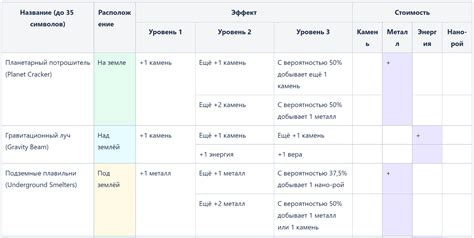
- Infographics and Diagrams: For complex mechanics, puzzles, or maps, visual aids can convey information far more efficiently than text.
- Bolded Keywords and Callouts: Highlight crucial details like item names, enemy weaknesses, or precise instructions to draw the reader’s eye.

Ensuring Spoiler-Free Progression
Nothing sours a game experience faster than an accidental spoiler. Guides must protect the narrative integrity while still providing necessary assistance.
Progressive Revelation Strategies
- Spoiler Warnings: Clearly mark sections that contain story-critical information or late-game content with prominent warnings (e.g., “SPOILER ALERT: Major Plot Point Ahead”).
- Collapsible/Toggle Content: Implement interactive elements (e.g., “click to reveal” boxes or accordion menus) for detailed lore, alternative endings, or post-game content.
- Separate Sections for Story vs. Mechanics: Consider dedicating distinct sections or even separate pages for narrative walkthroughs versus item locations or build guides.
Content Segmentation by Game Stage
- Chapter/Quest-Based Structure: Organize the guide strictly according to the game’s own progression system (e.g., “Chapter 1: The Awakening,” “Side Quest: The Missing Scroll”). This ensures players only encounter information relevant to their current progress.
- “Optional” vs. “Mandatory” Delineation: Clearly differentiate between content required to advance the main story and optional activities, allowing players to choose their level of immersion without accidental reveals.
- Pre-Game, Mid-Game, End-Game Sections: Categorize content like character builds, gear recommendations, or crafting recipes based on when they become relevant in the playthrough.
Best Practices for Guide Creation
Beyond structure, adherence to certain principles ensures a high-quality, user-friendly guide.
Accuracy and Regular Updates
Games evolve, often receiving patches, DLC, or balance changes. Guides must be meticulously accurate at the time of publication and regularly updated to remain relevant. A “Last Updated” timestamp is highly beneficial.
User Feedback and Iteration
Encourage comments and feedback from users. They are often the best source for identifying areas where the guide is unclear, contains errors, or could be improved for better spoiler management or quick access.
The Future of Effective Gaming Guides
The ideal gaming guide is a dynamic, living document that respects the player’s journey. By thoughtfully segmenting information, implementing intuitive navigation, and vigilantly guarding against spoilers, creators can craft resources that enhance the gaming experience without diminishing its inherent joys of discovery. As games become increasingly complex and personalized, so too must our approach to helping players navigate them effectively.