How do we structure game guides for optimal readability and quick problem-solving without spoilers?

The Art of the Unspoiled Solution
Writing a game guide is a unique challenge: you aim to empower players, not just feed them answers. The goal is to provide timely, relevant assistance for overcoming obstacles, completing quests, or finding hidden items, all while preserving the thrill of discovery and avoiding any plot-related spoilers. This delicate balance ensures players can quickly find the help they need without inadvertently ruining their own experience of the game’s story or surprises.
Establishing Core Principles for Spoiler-Free Assistance
At the heart of any effective game guide is a commitment to the player’s journey. A spoiler-free guide prioritizes immediate utility over narrative revelation. This means focusing on ‘how’ to do something rather than ‘why’ it needs to be done in the grand scheme of the plot. Information should be presented in a modular fashion, allowing players to jump directly to their specific problem without scrolling through irrelevant narrative details. Think about what a player needs to know right now to progress, and nothing more.

Structuring for Maximum Readability and Intuitive Navigation
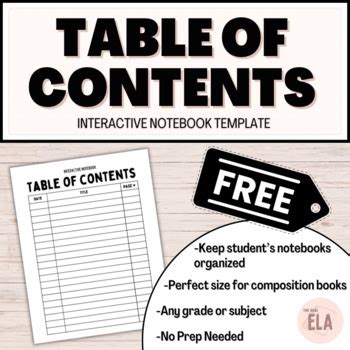
Readability is paramount. Players often consult guides in moments of frustration, so the information must be digestible at a glance. Employ clear, hierarchical headings (<h2> for major sections, <h3> for subsections, etc.) to break down complex topics. Utilize bullet points and numbered lists for step-by-step instructions, making actionables easy to follow. A comprehensive table of contents, ideally one that allows for quick jumps to specific sections, is indispensable. Consider structuring content by quest, area, or specific game mechanic, rather than a linear, story-driven walkthrough.
Furthermore, consistent formatting for key elements – like item names, enemy types, or quest objectives – helps players quickly identify crucial information. Use bold text sparingly to highlight essential keywords or actions, but avoid over-bolding which can make text harder to scan. Whitespace is your friend; well-spaced paragraphs and lists prevent information overload.
Content Delivery: The Art of Quick Problem-Solving
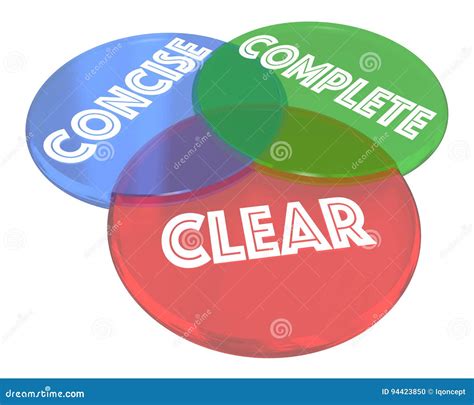
The primary purpose of a game guide is to solve a problem quickly. This demands precise, concise language. Avoid verbose descriptions where a simple instruction will suffice. When discussing puzzles or boss encounters, focus on the mechanics and optimal strategies without divulging narrative context unless absolutely necessary. For example, instead of explaining why a boss is weak to fire, simply state “Use fire attacks for maximum damage.”
Crucially, implement clear warnings for potential spoilers, even minor ones. This could be a simple “Spoiler Warning:” prefix before a sentence, or ideally, collapsible sections for lore or story elements that some players might wish to avoid. Visual aids, even if conceptual (like diagrams for puzzle solutions or map callouts), can often convey information faster and more effectively than text alone. Clearly differentiate between mandatory progression steps and optional content, such as collectibles or side quests, allowing players to choose their level of engagement.
Leveraging Interactive Elements and Advanced Features
Modern game guides can go beyond static text. Implementing search functionality allows players to instantly find keywords or quest names. Filters for item types, locations, or quest stages can further refine results. Collapsible sections are excellent for hiding detailed information until a player explicitly chooses to reveal it, perfectly balancing information availability with spoiler prevention. Features like user-contributed tips or comments, if moderated effectively, can also enhance the guide’s utility, though care must be taken to ensure these also adhere to spoiler-free principles.

The Iterative Process and Community Feedback
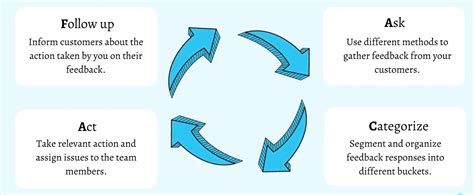
No guide is perfect on its first draft. Effective game guide creation is an iterative process. Beta-testing the guide with players who are experiencing the game for the first time can reveal areas where information is unclear, incomplete, or inadvertently spoilery. Actively soliciting and integrating community feedback is vital for continuous improvement. As games evolve with updates, so too must their guides, requiring ongoing maintenance to ensure accuracy and relevance.
Conclusion: A Guide is a Tool, Not a Storybook
Ultimately, a game guide should function as a precision tool: accessible, sharp, and effective for its intended purpose. By meticulously structuring content, prioritizing readability, delivering information concisely, and vigilantly avoiding spoilers, guide creators can significantly enhance the player experience. The goal is to assist players in navigating challenges and enjoying the game on their own terms, preserving the magic of discovery while offering a lifeline when needed most.