





How to craft gaming guides for quick answers & spoiler-free progression?
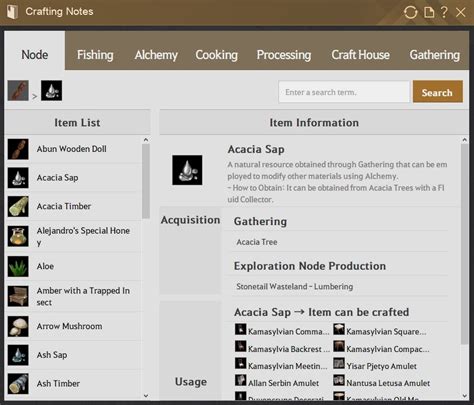
The Art of the Essential Gaming Guide
In the vast landscapes of modern video games, players often find themselves in need of assistance. Whether stuck on a challenging boss, searching for a hidden collectible, or simply needing a nudge in the right direction, a well-crafted gaming guide can be an invaluable resource. However, the art of creating such a guide lies in a delicate balance: providing quick, accurate answers without inadvertently spoiling the narrative or the thrill of discovery. This article will explore the key principles to achieve this.
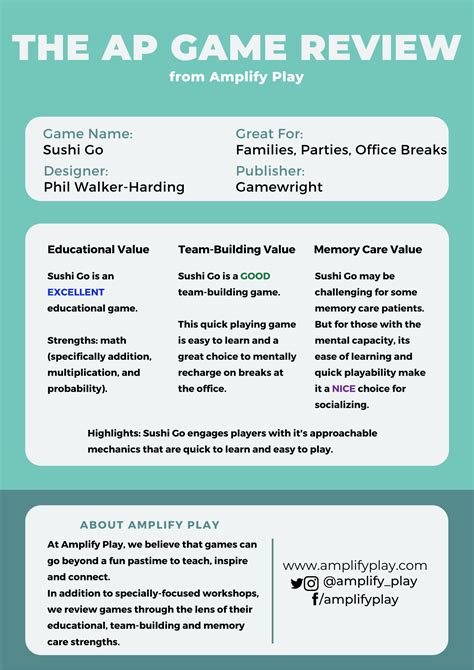
Understanding Your Audience: The Hunter for Quick Answers
Your primary audience isn’t looking for a novel; they’re looking for solutions. They want to find what they need, understand it quickly, and get back to playing. This means your guide must be designed for scanability and directness. Players often come with specific questions, so pre-empting these questions and providing clear, concise answers is paramount.
The “Just Tell Me How” Mindset
Imagine a player facing a puzzle: they don’t want a philosophical discussion on its design; they want to know the combination or the next step. Your guide should cater to this immediate need. Get straight to the point, offer the solution, and then, if necessary, provide a brief explanation or context.
Fear of Spoilers
Equally important is the player’s desire to avoid spoilers. Many want help with mechanics, quests, or item locations without having the story revealed or the joy of discovery ruined. A truly effective guide anticipates this and builds in safeguards.
Structural Secrets for Rapid Information Retrieval
The architecture of your guide is critical for quick answers. A player should be able to land on your page, glance at the structure, and immediately navigate to their problem area without excessive scrolling or reading.
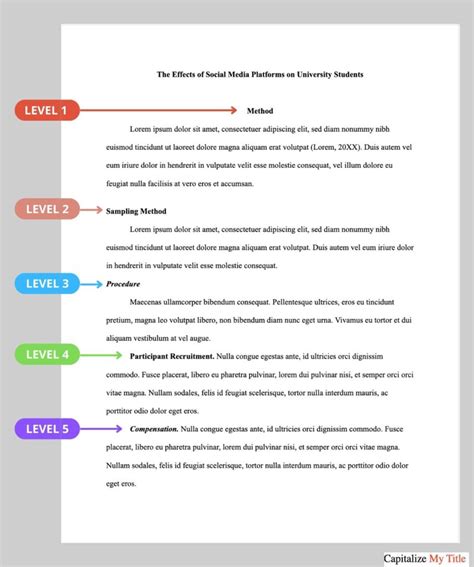
Clear Headings and Subheadings
Use descriptive <h2> and <h3> tags that accurately reflect the content below. For instance, instead of just “Chapter 3,” use “Chapter 3: The Sunken City & Golem Boss.” This allows players to quickly scan for the specific section relevant to their current progress.
Bullet Points, Lists, and Tables
Whenever possible, break down complex information into easily digestible formats. Lists are perfect for sequences of actions, item requirements, or steps in a puzzle. Tables excel at presenting data like item stats, character builds, or collectible locations in a structured, comparable way.
Search-Friendly Language
Think about the terms players might search for. Use in-game terminology for locations, characters, items, and quests. If an item has multiple common names (e.g., “Master Sword” vs. “Legendary Blade”), consider including both in your text to catch more searches.
Navigating the Spoiler Minefield
Protecting players from spoilers is a core responsibility of a good guide writer. This requires conscious effort and strategic placement of information.

Explicit Warnings
For any section that contains significant story spoilers (major plot twists, character deaths, or end-game revelations), use a prominent spoiler warning. This could be a bolded line of text, a distinct paragraph, or even a collapsible section if your platform supports it.
Progressive Reveals
Structure your guide so that essential, spoiler-free information appears first, followed by more detailed or spoilery content. For example, a boss guide might first offer combat tips, then strategies for each phase, and finally, a discussion of its story significance (under a spoiler warning).
Contextual Spoiler Management
Avoid revealing future plot points when discussing early-game content. If a seemingly minor character becomes crucial later, discuss only their current role. Keep your information compartmentalized by progression point.
The Sweet Spot: Detail Without Bloat
While quick answers are key, sometimes a bit more detail is necessary for true understanding. The challenge is providing enough context without overwhelming the reader or straying into unnecessary tangents.
Focus on Core Mechanics and Solutions
When explaining a solution, provide the ‘how’ and ‘why’ it works, but avoid delving into game development philosophies or excessively long lore dumps unless directly relevant to the solution. If a piece of lore *is* essential, present it concisely.
When to Elaborate, When to Summarize
Difficult puzzles or complex boss mechanics warrant more detailed step-by-step instructions. Simple fetch quests or easily found items might only need a short sentence or a map marker reference. Use your judgment to gauge the reader’s likely need for depth.
Testing and Refining Your Guide
No guide is perfect on its first draft. Testing is crucial to ensure it meets the dual goals of quick answers and spoiler-free progression.
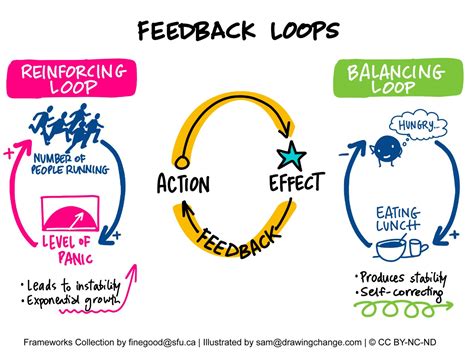
Beta Readers and Blind Tests
Have others, especially those who haven’t played the game or are at different stages, read through your guide. Ask them to find specific information or complete a task using only your guide. This will highlight areas where clarity is lacking or spoilers are inadvertently exposed.
Iteration Based on Feedback
Actively solicit and incorporate feedback. If multiple readers struggle with a particular section or find a spoiler, revise it. The goal is continuous improvement to serve the player base best.
Conclusion
Crafting an effective gaming guide is more than just documenting solutions; it’s about anticipating player needs, respecting their desire for discovery, and structuring information for maximum utility. By focusing on scanability, clear spoiler management, and concise yet comprehensive detail, you can create a resource that truly enhances the gaming experience, helping players overcome hurdles without diminishing their sense of accomplishment or the game’s narrative impact.



