Effective strategies for managing user-created game mods & community feedback?
The Power of Player Engagement: Mods & Feedback
User-created game mods (UGC) and community feedback are invaluable assets that can significantly extend a game’s lifespan, enrich its content, and foster a dedicated player base. However, harnessing this power effectively requires a strategic approach. Unmanaged, it can lead to fragmentation, toxicity, and development headaches. The key lies in creating an ecosystem where creativity is encouraged, voices are heard, and the community feels genuinely valued.

Establishing Clear Guidelines for Modding
One of the foundational steps in managing user-created mods is to establish a comprehensive and clear set of guidelines. These rules should outline what is permissible and what is not, covering aspects such as intellectual property rights, content restrictions (e.g., no hate speech, illegal content), performance standards, and compatibility requirements. Clear guidelines protect both the developers and the mod creators, preventing misunderstandings and maintaining a safe environment.
- Intellectual Property: Define what game assets can be used and how, ensuring no infringement on third-party rights.
- Content Restrictions: Prohibit offensive, exploitative, or illegal content to maintain a positive community.
- Technical Standards: Provide recommendations or requirements for performance optimization and compatibility.
- Submission & Review Process: Clearly outline how mods are submitted, reviewed, and approved (if applicable).
Providing Robust Modding Tools and Support
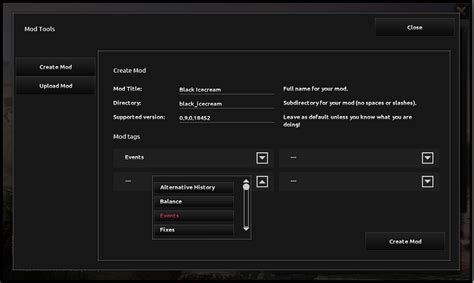
Empowering your community to create high-quality mods requires more than just permission; it requires tools. Offering a Software Development Kit (SDK) or a dedicated modding suite, complete with documentation and tutorials, significantly lowers the barrier to entry for aspiring modders. Active support channels, such as forums or dedicated Discord servers, where developers or experienced modders can offer guidance, further solidify this support structure.
A well-supported modding scene not only produces more content but also acts as a talent incubator, potentially identifying future developers or content creators for your team. Regularly updating these tools and listening to modder feedback on their usability is crucial for long-term success.
Strategies for Collecting & Acting on Community Feedback
Community feedback is a goldmine for understanding player sentiment, identifying bugs, and gathering ideas for new features. However, effective collection and actionable implementation are key. Implementing multiple feedback channels ensures you capture a broad spectrum of opinions.
- Dedicated Forums & Subreddits: Structured platforms for detailed discussions, bug reports, and suggestions.
- In-Game Reporting Tools: For immediate bug reports, exploit flagging, or player conduct issues.
- Surveys & Polls: Targeted questions to gather quantitative data on specific features or concerns.
- Social Media Monitoring: Passive listening to gauge general sentiment and trending topics.
- Developer Q&As/Live Streams: Direct engagement that builds trust and transparency.
Crucially, simply collecting feedback isn’t enough. Developers must actively engage with it, communicate what feedback is being considered, what changes are being made, and why certain suggestions might not be implemented. This transparency builds trust and demonstrates that players are being heard.
Effective Moderation and Communication
Both modding communities and feedback channels require diligent moderation. A well-trained moderation team can enforce guidelines, address conflicts, remove inappropriate content, and maintain a respectful atmosphere. Beyond enforcement, proactive communication is vital. Developers should regularly update the community on game development, patch notes, upcoming features, and acknowledge player contributions.
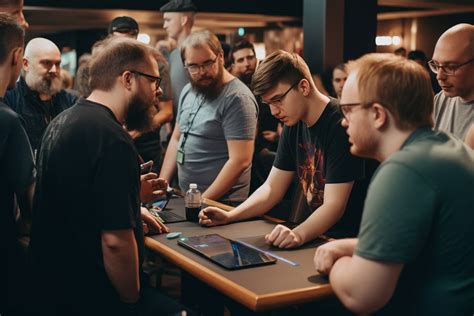
Transparency in decision-making, especially when addressing controversial topics or applying sanctions, reinforces fairness. Creating a positive feedback loop where players see their input leading to tangible improvements or content fosters deeper engagement and loyalty.
Fostering a Positive & Collaborative Culture
Ultimately, the goal is to cultivate a positive and collaborative community culture. This involves celebrating successful mods, highlighting talented modders, and actively participating in community discussions. Organizing community events, contests, or even featuring player-created content within the game itself can significantly boost morale and encourage continued engagement.
![Why Gaming Is A Positive Element In Life [Infographic] | Bit Rebels](/images/aHR0cHM6Ly90czQubW0uYmluZy5uZXQvdGg/aWQ9T0lQLlhwUVFBQUZxRVEtNXVjTGx1OE5CYVFIYUtFJnBpZD0xNS4x.webp)
By investing in the infrastructure, tools, and human element required to manage user-created content and feedback effectively, game developers can transform their player base into a powerful engine for innovation, growth, and sustained success.