Best practices for updating game reviews post-launch patches & DLC?

In today’s ever-evolving gaming landscape, a game’s launch state is often just the beginning. Post-launch patches, bug fixes, performance enhancements, and substantial downloadable content (DLC) can fundamentally alter the player experience. For game reviewers, this presents a unique challenge: how to ensure initial evaluations remain relevant and fair when the product itself is a moving target?
The Evolving Landscape of Game Releases
Gone are the days when a game was a static, finished product upon release. Modern development cycles frequently involve day-one patches, ongoing support, and extensive content roadmaps. This dynamic environment means that an initial review, though accurate at the time of publication, can quickly become outdated. A poorly optimized launch might be salvaged by subsequent patches, just as a critically acclaimed title could be enhanced or, conversely, marred by ill-conceived DLC or technical regressions.
Reviewers have a responsibility to their audience to provide the most current and accurate assessment possible. This isn’t about rewriting history, but rather reflecting the game’s current state for potential buyers or those looking for an updated perspective on a game they already own.

When to Update a Review?
Deciding when an update is warranted is crucial. Not every minor hotfix necessitates a full review revision. Updates typically fall into a few categories:
- Significant Patches: These include major bug fixes that address game-breaking issues, performance overhauls that drastically improve frame rates or stability, or significant balance changes that alter core gameplay loops.
- Major DLC or Expansions: New story content, character classes, vast areas, or fundamental new mechanics often warrant an update. These aren’t just minor content drops; they expand the game’s scope significantly.
- Long-Term Service Games: Titles like MMORPGs, live-service games, or ongoing competitive multiplayer games are designed to evolve. Their reviews often need periodic updates to reflect their current status, content pipeline, and community health.
A good rule of thumb is to consider if the changes significantly impact the core experience, the game’s value proposition, or address major criticisms highlighted in the original review.

Strategies for Effective Review Updates
Once the decision to update is made, implementing it effectively requires a structured approach:
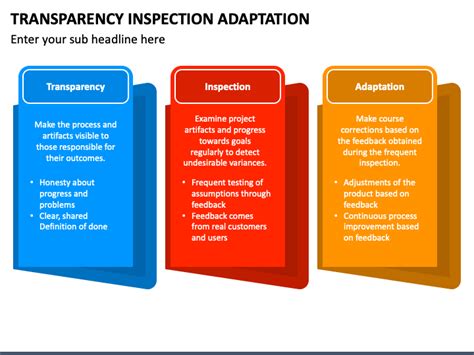
1. Transparency and Clarity
Always clearly state that the review has been updated, when it was updated, and what prompted the changes. Use an “Editor’s Note” or an “Update Addendum” section at the beginning or end of the article.
2. Focused Re-evaluation
Don’t just rewrite the entire review. Focus your analysis on the specific areas impacted by the patch or DLC. For a performance patch, test framerates, loading times, and stability. For DLC, evaluate its content, integration with the base game, and overall value.
3. Addendums vs. Revisions
- Addendum: For less impactful updates (e.g., a specific bug fix), adding a dated paragraph or two to the existing review can suffice.
- Partial Revision: If a specific section of the review is rendered obsolete (e.g., a “Performance” section after a major optimization patch), you can update that section, clearly marking the changes.
- Full Re-review: Reserved for cases where the game has fundamentally transformed, perhaps years after launch (e.g., No Man’s Sky‘s redemption arc). This often warrants a new, distinct review linking back to the original.
4. Score Re-evaluation
Adjusting the original score is a delicate matter. If the changes are substantial enough to shift the overall perception of the game’s quality, a score adjustment might be necessary. Clearly explain the rationale behind any score change, referencing the original score and the reasons for the new one. If you maintain the original score but acknowledge significant improvements, explain why those improvements didn’t warrant a numerical shift (e.g., they brought the game up to an expected baseline).
5. Revisit Gameplay
It’s not enough to read patch notes. Reviewers must dive back into the game, play through the new content, and experience the changes firsthand. This ensures the update is based on practical experience, not just theoretical improvements.
Ethical Considerations
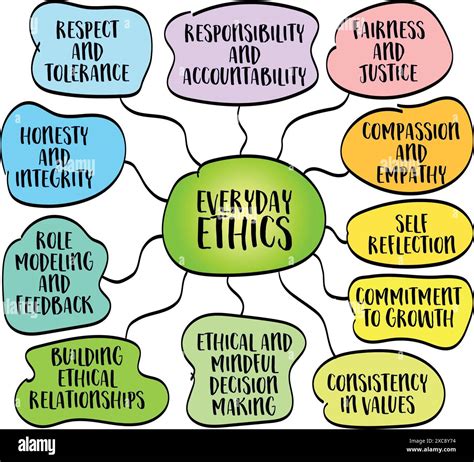
Maintaining reviewer integrity is paramount. Avoid the temptation to retroactively judge a game’s launch state based on its current, improved version. Acknowledge the original context while providing the updated assessment. Transparency builds trust with your audience. Be honest about any previous criticisms that have now been resolved, and equally honest about new issues that may have arisen.
Conclusion
Updating game reviews post-launch patches and DLC isn’t just a best practice; it’s a necessity in modern games journalism. By adopting transparent, focused, and ethical strategies, reviewers can continue to provide invaluable, current insights to their audience, reflecting the true, evolving nature of interactive entertainment. This commitment ensures that reviews remain living documents, truly serving the community they aim to inform.