What details do you need for a compelling Indie Spotlight game pitch?

Standing Out: The Challenge of the Indie Spotlight Pitch
In the crowded and vibrant world of independent game development, securing an “Indie Spotlight” feature—whether from a platform holder, a prominent media outlet, or an influencer—can be a game-changer. It offers invaluable exposure that can propel your title from obscurity to widespread recognition. However, the path to that spotlight is paved with countless other aspiring developers, all vying for the same attention. A truly compelling pitch isn’t just about showing your game; it’s about telling a story, demonstrating passion, and providing concrete, persuasive details that make your project irresistible.
The Core Message: Your Game’s Irresistible Hook
Before diving into the nitty-gritty, you need an overarching narrative for your game. What’s the core appeal? What problem does it solve, or what emotion does it evoke? This forms the backbone of your pitch.
The Elevator Pitch: Conciseness is Key
Start with a snappy, 1-2 sentence summary that immediately grabs attention. This isn’t just a description; it’s a promise of an experience. Think of it as a logline for a movie. For example: “[Your Game Name] is a rogue-lite dungeon crawler where every run fundamentally alters the game world, creating unique, player-driven narratives with each death.“
Genre, Mechanics, and Vision
Clearly define your game’s genre(s) and explain its core mechanics. What makes playing it fun and engaging? What’s the central loop? Articulate your vision for the player experience. Avoid jargon where possible, or explain it simply.

Show, Don’t Just Tell: Visuals and Playability
A picture is worth a thousand words, and a playable demo is worth a thousand pictures. Visuals are paramount in game pitching.
Key Visual Assets
- Trailer: A concise (60-90 second) gameplay-focused trailer that highlights your unique mechanics and visual style. Quality over quantity here.
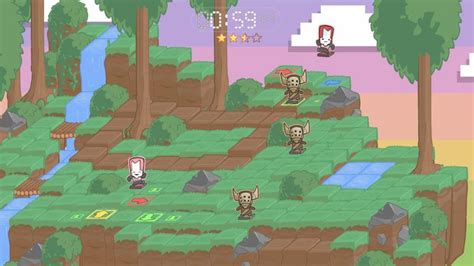
- Screenshots/Gifs: High-resolution, eye-catching screenshots and short gameplay GIFs that capture key moments, art style, and unique features.
- Art Style Description: Briefly describe your game’s aesthetic and artistic influences.
Playable Demo or Vertical Slice
If possible, offer a polished, short playable demo or a vertical slice that showcases the core gameplay loop and strongest features. Ensure it’s stable, easy to access, and clearly communicates the fun factor.

The Unique Selling Proposition (USP): Why YOUR Game?
What makes your game stand out from the competition? This is arguably the most critical part of your pitch. Identify 1-3 features or aspects that truly differentiate your title.
What Makes It Special?
Is it a unique blend of genres? An innovative mechanic? A compelling narrative hook? A distinct art style or emotional tone? Clearly articulate what sets your game apart and why it will resonate with players. Don’t just list features; explain their impact.
Development & Team Credibility
Show that you’re capable of delivering on your vision and that you have a realistic understanding of the development process.
Development Status & Roadmap
- Current Stage: Alpha, Beta, Pre-Alpha? Be specific.
- Key Milestones: What have you achieved so far?
- Estimated Release Date: A realistic target, even if broad (e.g., Q3 2024).
- Platforms: Which platforms are you targeting?
The Team Behind the Magic
Briefly introduce your core team members and highlight relevant experience. This builds trust and demonstrates capability. Mention previous projects, roles, or any notable achievements.

Understanding Your Audience & Appeal
Demonstrate that you know who your game is for and why they’ll love it.
Target Market & Marketing Hook
Who is your primary audience? What games do they currently play? How will you reach them? A strong pitch often includes a brief mention of your marketing strategy or what you believe will be the primary appeal to your target demographic.

The Ask and The Follow-Up
Every pitch needs a clear objective.
Clear Call to Action
What do you hope to gain from this spotlight? Is it exposure, a feature, an interview, or a chance to present at an event? Be explicit about your goal. Provide all necessary contact information.
Conclusion: Clarity, Passion, and Professionalism
A compelling Indie Spotlight pitch is a meticulously crafted narrative that blends passion with professionalism. It’s about more than just having a great game; it’s about effectively communicating its greatness, its uniqueness, and your team’s ability to bring it to fruition. By focusing on these essential details—your hook, visuals, USP, development credibility, and clear objectives—you significantly increase your chances of capturing attention and, ultimately, earning that coveted spotlight.