Efficiently update gaming guides for patches without full rewrite?

The dynamic world of video games is in a constant state of flux, driven by developer patches that introduce new content, balance changes, and bug fixes. For guide writers, this dynamic environment presents a significant challenge: how do you keep your comprehensive guides accurate and relevant without undertaking a monumental full rewrite every time an update drops? The good news is that with strategic planning and smart execution, guide maintenance can become a streamlined, efficient process.
The Core Challenge: Dynamic Game Environments
Patches are a necessary part of a game’s lifecycle, designed to enhance player experience, address unforeseen exploits, or expand the game world. While beneficial for players, they can be a nightmare for guide creators. A single balance pass on abilities or items can invalidate entire sections of a build guide, and new mechanics can render old strategies obsolete. The goal, then, is to build a guide framework that anticipates change rather than crumbles under its weight.

Embrace Modular Design for Future-Proof Guides
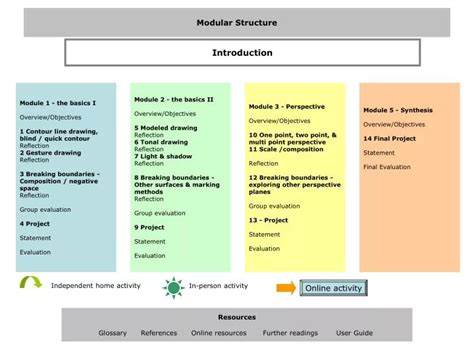
One of the most effective strategies is to design your guides with modularity in mind from the very beginning. Instead of a monolithic block of text, break your guide down into distinct, independent sections. Think in terms of specific abilities, item sets, questlines, boss encounters, or character builds. Each module should be self-contained enough that changes in one section do not necessitate a deep dive into every other part of the guide.
For example, separate sections for ‘Character Stats,’ ‘Primary Rotations,’ ‘Best-in-Slot Gear,’ and ‘Progression Tips’ allow you to update only the affected module when a patch hits. This significantly reduces the scope of work and the risk of introducing errors elsewhere. Utilizing clear headings and subheadings not only improves readability but also serves as an organizational backbone for targeted updates.
Highlight and Version Control Your Changes
When an update occurs, don’t just silently change the text. Make the revisions transparent to your readers. Implementing a clear system for highlighting changes is crucial. This could involve:
- Using strikethrough text for old information that is no longer valid.
- Employing bold, italic, or a specific color for newly added or revised content.
- Including a ‘Patch Notes’ or ‘Update Log’ section, typically at the beginning or end of the guide, detailing what changed, why, and which patch it relates to.
Furthermore, always clearly state the patch version the guide is currently relevant for. This helps readers quickly assess the guide’s accuracy and understand the context of any changes. Version control isn’t just for software developers; it’s a powerful tool for content creators too, allowing you to track changes over time and even revert if necessary.

Leverage Tools and Community Feedback
Modern content management systems (CMS) often come equipped with revision history features, allowing you to compare different versions of your article and see exactly what changed. For more technical guides, or those stored in plain text, ‘diff’ tools can highlight line-by-line differences between files. Consider using markup languages like Markdown, which are easier to manage and update than complex HTML structures.
Beyond tools, the gaming community itself can be an invaluable asset. Encourage feedback from your readers, creating a dedicated comment section or forum thread where players can point out discrepancies or suggest improvements. Establishing yourself as receptive to feedback can turn potential critics into helpful collaborators, significantly speeding up the identification of necessary updates.

Focus on Evergreen Mechanics Over Fleeting Values
When constructing your guides, try to differentiate between core, evergreen mechanics and changeable, numerical values. While the damage output of an ability or the stat bonuses of an item might change with every patch, the fundamental way that ability functions or the basic role of that item in a build often remains constant. Prioritize explaining the ‘how’ and ‘why’ over just the ‘what’.
For instance, instead of just listing the percentage increase of a skill, explain *how* that skill interacts with other abilities or builds. This foundational knowledge typically has a longer shelf life and reduces the frequency of needing major rewrites, as only the numerical specifics, not the strategic application, may require adjustment.
By adopting a strategy of modular design, transparent version control, leveraging smart tools, incorporating community feedback, and focusing on lasting game mechanics, guide writers can transform the daunting task of patch updates into a manageable and efficient process. This approach ensures your gaming guides remain valuable, accurate, and a trusted resource for the evolving gaming community, without the constant grind of full rewrites.