What’s the best way for modders to get constructive community feedback?

The Lifeline of Modding: Why Constructive Feedback Matters
Modding is a passion-driven endeavor, often undertaken in a modder’s spare time. While the initial vision comes from the creator, the true longevity and impact of a mod hinge on its community. Constructive feedback is the oxygen that helps a mod breathe, grow, and evolve. It’s the difference between a project that stagnates and one that becomes a beloved staple in a game’s ecosystem. But how do modders effectively tap into this invaluable resource without getting lost in a sea of noise or negativity?
Establishing Clear and Accessible Feedback Channels
The first step is to create dedicated, easy-to-find avenues for your community to share their thoughts. Simply relying on the comments section of a mod page is often insufficient. Consider setting up:
- Dedicated Forum Threads: On modding sites (e.g., Nexus Mods, Steam Workshop) or game-specific forums, create threads for bug reports, suggestions, and general discussion. Clearly label them.
- Discord Servers: A well-organized Discord server with specific channels (e.g.,
#bug-reports,#suggestions,#balance-discussion) can be incredibly effective. Use bots to help moderate and manage submissions. - Patreon/Ko-fi: If you have supporters, offer them exclusive channels or direct access for more in-depth feedback as a perk.
- Modrinth/CurseForge/Thunderstore: Utilize their built-in issue trackers and comment sections, but always direct users to more structured platforms if available.
Crucially, make sure these channels are linked prominently on your mod page, in your mod’s documentation, and any accompanying readmes. The easier it is for users to find the right place, the better quality feedback you’ll receive.

Proactive Solicitation: Don’t Wait, Ask!
While open channels are good, sometimes you need to actively seek specific information. Proactive solicitation can yield targeted, high-value feedback:
- Surveys and Polls: Use tools like Google Forms or StrawPoll to ask specific questions about new features, balance changes, or general satisfaction. This is excellent for collecting quantitative data.
- Alpha/Beta Testing Programs: For larger mods or significant updates, recruit a group of dedicated testers. Provide them with structured reporting templates and clear instructions on what you’re looking for.
- Specific Questions in Changelogs: After releasing an update, add a line like, “What do you think of the new X system? Share your thoughts in
#suggestions!” - Streamer/Content Creator Collaboration: Watch how others play your mod. Their reactions and the feedback from their viewers can provide unique insights.

Processing and Prioritizing Feedback Effectively
Receiving feedback is only half the battle; processing it is where the real work begins. Without a system, you risk feeling overwhelmed or missing critical insights.
- Filter Noise from Signal: Not all feedback is equally valuable. Learn to identify repetitive issues, genuine bugs, actionable suggestions, and filter out highly subjective preferences or unconstructive criticism.
- Categorize and Tag: Use a simple spreadsheet, Trello board, or even your Discord channels to categorize feedback (e.g., “Bug – Critical,” “Feature Request – High Priority,” “Balance Adjustment”).
- Prioritize Based on Impact vs. Effort: Which issues are game-breaking? Which suggestions align with your mod’s vision and are feasible to implement? Balance fixing critical bugs with adding exciting new features.
- Acknowledge and Communicate: Even if you can’t implement every suggestion, acknowledge that you’ve seen and considered the feedback. A simple “Thanks for the report, we’re looking into it” goes a long way in making users feel heard.
Fostering a Positive and Productive Feedback Culture
The way you interact with your community shapes the kind of feedback you receive. Cultivate an environment that encourages constructive input:
- Set Clear Guidelines: Explicitly state what kind of feedback is helpful (e.g., “Please provide reproduction steps for bugs”) and what isn’t welcome (e.g., “No insults or personal attacks”).
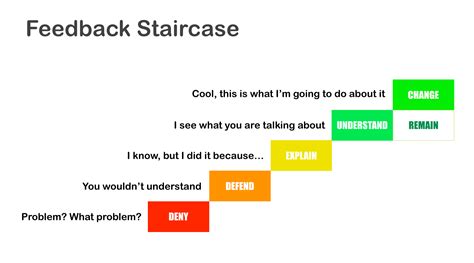
- Be Professional and Patient: It’s easy to get defensive, especially when dealing with criticism. Respond calmly, thank users for their time, and focus on the issue, not the tone.
- Be Transparent: Share your development roadmap, explain why certain decisions are made, and communicate how community feedback influences your work. This builds trust and shows users their input matters.
- Celebrate Contributors: Publicly thank users who provide excellent bug reports or insightful suggestions. Recognition fosters continued engagement.
By proactively seeking feedback, managing it systematically, and fostering a respectful environment, modders can transform their community into an invaluable development partner, leading to better mods and a more engaged player base.