What formatting & visual techniques make gaming walkthroughs truly scannable & effective?
Gaming walkthroughs are an invaluable resource for players, but their effectiveness hinges on more than just accurate information. In the fast-paced world of gaming, players often seek quick solutions to specific challenges. This means a walkthrough must be highly scannable and digestible, allowing users to find what they need without sifting through dense text. Achieving this requires a thoughtful application of both formatting and visual techniques.
The Power of Structure: Headings and Subheadings
One of the most fundamental ways to enhance scannability is through a logical and hierarchical structure. Using clear <h2>, <h3>, and even <h4> tags breaks the content into manageable chunks. Each heading should accurately reflect the content that follows, guiding the reader through the game’s progression or a specific task. For instance, an <h2> might cover an entire chapter, while <h3>s detail individual quests or puzzle solutions within that chapter.
![🔥 [90+] Clear Wallpapers for Desktop | WallpaperSafari](/images/aHR0cHM6Ly90czQubW0uYmluZy5uZXQvdGg/aWQ9T0lQLnhfRTdaMjlwdnB2T1pjanNweDFLeFFIYUV0JnBpZD0xNS4x.webp)
Bullet Points and Numbered Lists: The Scan-Friendly Format
When detailing steps, item locations, or prerequisites, long paragraphs become a barrier to quick comprehension. Employing bullet points (<ul>) and numbered lists (<ol>) dramatically improves readability. Numbered lists are ideal for sequential instructions, while bullet points are perfect for listing items, tips, or alternative strategies. They visually break up text, allowing the eye to quickly absorb key information.
- Numbered Lists: Use for sequential steps (e.g., “Step 1: Obtain Key,” “Step 2: Unlock Door”).
- Bullet Points: Ideal for non-sequential lists (e.g., “Required Items,” “Enemy Weaknesses”).
Emphasis and Callouts: Guiding the Reader’s Eye
Strategic use of bold (<strong>) and italic (<em>) text can highlight crucial information, such as item names, critical warnings, or specific NPC dialogue. Beyond basic formatting, consider using distinct visual callout boxes (e.g., a <div> with a specific class) for “Pro Tips,” “Warnings,” or “Secret Locations.” These visually distinct elements instantly draw attention to vital details.
Strategic Use of Images and Screenshots
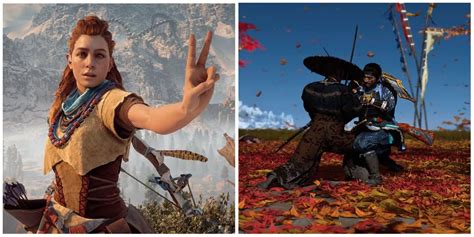
A picture is worth a thousand words, especially in gaming walkthroughs. High-quality screenshots and annotated maps can clarify complex puzzles, show exact item locations, illustrate combat strategies, or highlight subtle environmental clues far better than text alone. Ensure images are appropriately sized, clear, and relevant to the surrounding text. Captions (<figcaption> within <figure>) are essential for context.

For more detailed visual aids, short GIFs or embedded video clips can be incredibly effective for demonstrating timing-sensitive actions or complex movement sequences, though text-based walkthroughs typically rely more on static images.
Consistent Layout and Color Coding
Consistency in layout, font choices, and even color coding for different types of information (e.g., green for positive tips, red for warnings, blue for lore) significantly aids scannability. A predictable structure reduces cognitive load, allowing users to intuitively navigate and find recurring elements. This applies to how headers are styled, how lists are presented, and the visual treatment of callout boxes.
Navigation Aids: Table of Contents and Internal Links
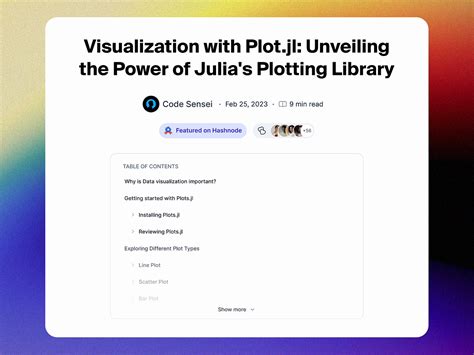
For longer walkthroughs, an interactive Table of Contents (<nav> or a simple list of anchor links) at the beginning is indispensable. This allows players to jump directly to specific chapters, quests, or boss fights. Internal links within the text itself can also guide users to related sections without requiring them to scroll excessively, enhancing the overall user experience.
Concise Language and Avoiding Jargon Overload
While gaming has its own lexicon, walkthroughs should aim for clarity and conciseness. Avoid overly verbose descriptions. Get straight to the point, especially when providing instructions. If jargon is unavoidable, ensure it’s explained or commonly understood within the game’s community. Focus on action-oriented language that guides the player effectively.
Conclusion
Crafting a truly effective gaming walkthrough goes beyond simply providing accurate information; it requires a deep understanding of how players consume content. By meticulously applying clear structural headings, utilizing lists, emphasizing key details, strategically integrating visuals, maintaining consistency, and offering robust navigation, authors can transform a dense guide into an intuitive and highly scannable resource. These techniques not only enhance the user experience but also solidify the walkthrough’s value as an indispensable companion for any gamer.