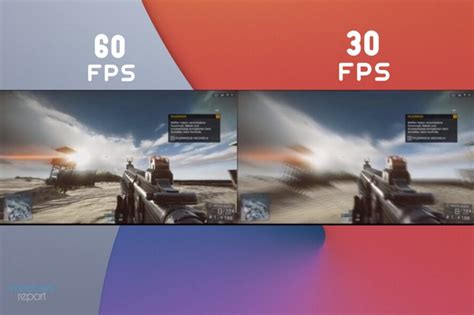
How can I boost gaming FPS on my mid-range PC without upgrading hardware?
Many PC gamers find themselves in a common predicament: owning a mid-range system that can run most games, but often struggles to deliver consistently high frame rates (FPS). The good news is that achieving a noticeable performance boost doesn’t always require opening your wallet for new hardware. With a strategic approach to software optimization, system tweaks, and in-game settings adjustments, you can significantly enhance your gaming experience.
Update Your Graphics Drivers Regularly
This is often the most impactful and easiest step. Graphics card manufacturers like NVIDIA, AMD, and Intel constantly release updated drivers that include performance optimizations, bug fixes, and support for the latest game titles. Keeping your drivers current ensures your GPU is running as efficiently as possible.
- NVIDIA: Use GeForce Experience or download directly from their website.
- AMD: Use AMD Radeon Software Adrenalin Edition or download from their website.
- Intel: Use Intel Driver & Support Assistant.
Beyond graphics drivers, ensure your chipset drivers and other critical system drivers are also up-to-date, as they can indirectly affect overall system performance.
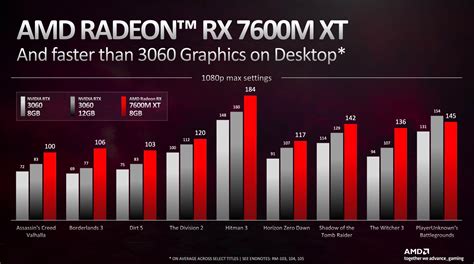
Master In-Game Graphics Settings
Every game offers a plethora of graphical settings, and knowing which ones to tweak can make a massive difference without severely impacting visual quality. This is where most of your FPS gains will come from.
- Resolution: Lowering your display resolution (e.g., from 1080p to 900p or 720p) is the most effective way to gain FPS, as it reduces the number of pixels your GPU needs to render.
- Texture Quality: This impacts how detailed surfaces appear. While high textures consume VRAM, lowering them might not always yield huge FPS gains unless you’re VRAM limited.
- Shadows: Shadows are notoriously performance-intensive. Reducing shadow quality, resolution, or disabling them can provide significant FPS improvements.
- Anti-Aliasing (AA): AA smooths jagged edges but is a major FPS killer. Try lower-impact options like FXAA or TAA, or disable it entirely if acceptable.
- Post-Processing Effects: Bloom, depth of field, motion blur, and screen space reflections often have a considerable performance cost. Experiment with turning these down or off.
- Draw Distance / View Distance: Affects how far objects are rendered. Lowering this can improve CPU performance, especially in open-world games.
Always test settings incrementally. Start with the most demanding ones (shadows, AA, resolution) and lower them one by one until you reach a comfortable FPS target.

Optimize Your Operating System (Windows)
Your operating system’s configuration can heavily influence gaming performance. A few adjustments can free up resources for your games.
- Game Mode: Windows 10/11 includes a Game Mode feature (Settings > Gaming > Game Mode) that optimizes your PC for gaming by prioritizing game processes and suspending background tasks. Ensure it’s enabled.
- Power Plan: Set your power plan to “High Performance” (or “Ultimate Performance” if available) in Windows Power Options. This prevents your CPU from throttling down during intense gaming sessions.
- Disable Background Apps: Close unnecessary applications running in the background (browsers, chat clients, streaming software) before launching a game. You can also restrict background app permissions in Windows Settings.
- Visual Effects: In System Properties > Advanced > Performance Settings, choose “Adjust for best performance” or customize to disable non-essential visual effects (like animations, shadows under mouse pointer).

Utilize Software Tools and Tweaks
Several software solutions can help streamline your system for gaming.
- Game Launchers: Some launchers (e.g., Steam, Epic Games) have overlay features that can consume resources. Consider disabling them if you don’t use them.
- Debloat Your System: Remove pre-installed bloatware or unnecessary programs that consume system resources.
- Disk Cleanup & Defragmentation: Regularly clean up temporary files using Windows Disk Cleanup. If you have an HDD (not SSD), defragmenting it can improve load times, though its impact on FPS is minimal. SSDs do not need defragmentation.
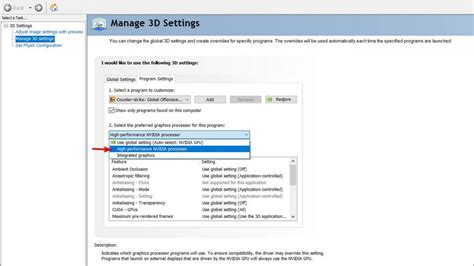
- GPU Control Panel Settings: Dig into your NVIDIA Control Panel or AMD Radeon Software. Adjust settings like “Texture Filtering Quality” to “High Performance,” disable “Vertical Sync” (unless experiencing screen tearing), and ensure “Power Management Mode” is set to “Prefer Maximum Performance.”
Cautious Overclocking (CPU/GPU)
While this involves pushing hardware beyond its stock settings, it doesn’t require new components and can yield noticeable gains. However, it comes with risks and requires careful monitoring.
- GPU Overclocking: Using tools like MSI Afterburner or ASUS GPU Tweak, you can slightly increase your GPU’s core clock and memory clock speeds. Start with small increments and thoroughly test for stability and temperatures.
- CPU Overclocking: If your CPU and motherboard support it (typically Intel K-series or AMD Ryzen CPUs with appropriate chipsets), you can increase CPU clock speeds. This is more complex and requires good cooling.
Always monitor temperatures closely during and after overclocking. Excessive heat can lead to system instability or hardware damage. Only attempt if you are comfortable with the process and understand the risks.
Ensure Proper Cooling and Cleanliness
Thermal throttling is a silent killer of FPS. When your CPU or GPU gets too hot, it automatically reduces its clock speed to prevent damage, leading to frame drops.
- Clean Your PC: Regularly clean dust from your CPU cooler, GPU heatsink, and case fans. Dust acts as an insulator and restricts airflow.
- Improve Airflow: Ensure your case fans are correctly oriented (intake and exhaust) to create optimal airflow. Consider replacing stock fans with better ones if necessary.
- Monitor Temperatures: Use software like HWMonitor or MSI Afterburner to keep an eye on your CPU and GPU temperatures, especially during gaming. Aim for temperatures well below their Tj Max (thermal junction maximum) for CPUs and similar limits for GPUs.

Conclusion
Boosting FPS on a mid-range PC without upgrading hardware is entirely achievable through a combination of diligent software management and smart configuration. By consistently updating drivers, fine-tuning in-game graphics settings, optimizing your operating system, and maintaining good thermal health, you can unlock a smoother, more enjoyable gaming experience from your existing setup. Remember to approach these changes systematically, testing each adjustment to understand its impact, and always prioritize system stability and component longevity.