What strategies make “Indie Spotlight” content truly engaging, driving player adoption?

The Essence of Engaging Indie Spotlight Content
In the bustling digital marketplace, indie games face the challenge of standing out. An “Indie Spotlight” isn’t just a feature; it’s a critical marketing tool designed to capture player interest and translate it into adoption. But what separates a truly engaging spotlight from one that merely exists? It boils down to a strategic blend of authenticity, clarity, and compelling presentation.
The Power of Authenticity: Telling the Developer’s Story
Players aren’t just buying a game; they’re investing in a vision. The most engaging indie spotlights delve into the heart of the development process, sharing the passion, challenges, and unique journey of the creators. Highlighting the developer’s personality, their motivations, and the inspirations behind their game builds an emotional connection that algorithms can’t replicate. This human element makes the game feel more personal and relatable.

Whether it’s a solo developer pouring years into a dream project or a small team innovating on a shoestring budget, these narratives resonate deeply. Use interviews, behind-the-scenes glimpses, or personal anecdotes to weave a story that goes beyond technical specifications and immerses players in the game’s genesis.
Showcasing Unique Gameplay and Innovation
While stories are important, the core of any game is its gameplay. Engaging indie spotlights excel at isolating and articulating what makes a game truly unique. Is it a novel mechanic? A genre-bending twist? An unparalleled art style? Clearly demonstrating these differentiating factors is paramount. Don’t just tell players; show them.

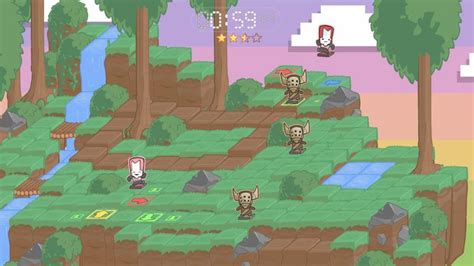
Short, impactful gameplay clips, animated GIFs, or concise explanations of core loops can effectively communicate the essence of the game. Focus on the “aha!” moment that players will experience, emphasizing the innovative elements that set it apart from the sea of similar titles. Avoid jargon and present gameplay in an accessible, exciting manner.
Visuals and Polish: The First Impression
First impressions are lasting, especially in visual mediums like gaming. High-quality screenshots, an impactful trailer, and consistent art direction are non-negotiable. An engaging indie spotlight uses these assets to create immediate intrigue and convey the game’s mood and quality.
A well-produced trailer is often the most critical asset. It should grab attention, showcase key gameplay, hint at the narrative, and leave viewers wanting more, all within a minute or two. Similarly, carefully curated screenshots should highlight the game’s best moments and visual fidelity, inviting players to imagine themselves in the game world.
Building Bridges: Community Engagement and Interaction
Engagement isn’t a one-way street. Truly effective indie spotlights create opportunities for interaction and foster a sense of community around the game. This can include Q&A sessions with developers, polls on future features, or inviting players to join a Discord server for direct communication.
Responding to comments and feedback, and actively involving potential players in the development journey (even in small ways), builds loyalty and advocacy. When players feel heard and connected, they become ambassadors for the game, driving organic word-of-mouth adoption.
Strategic Distribution and Clear Calls to Action
Even the most engaging content needs to be seen. Strategic distribution across relevant platforms – gaming news sites, social media, specialized indie game platforms, and influencer collaborations – is crucial. Furthermore, every spotlight must culminate in a clear, compelling call to action.
Whether it’s a link to a Steam page for wishlisting, a direct download for a demo, a sign-up for a beta, or a pre-order option, guide players toward the next step. Make it frictionless to move from intrigue to engagement to adoption. Offering a playable demo or early access is often the most powerful driver for players to commit.
Conclusion: Beyond the Hype
Ultimately, making “Indie Spotlight” content truly engaging and effective in driving player adoption requires more than just marketing; it requires storytelling, authenticity, transparency, and a deep understanding of what makes players connect with a game. By focusing on the developer’s journey, showcasing innovative gameplay, employing polished visuals, fostering community, and providing clear avenues for action, indie games can break through the noise and find their dedicated audience.